
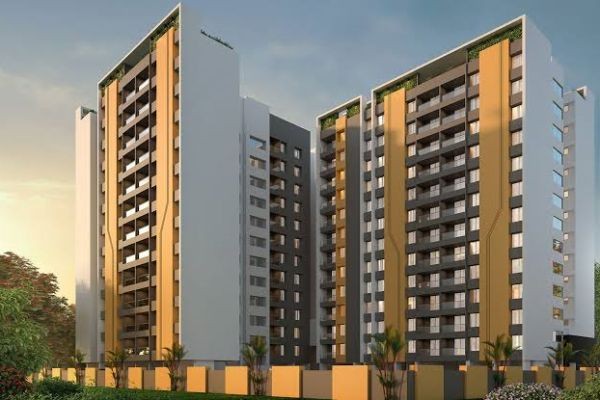
Buying a property is one of the biggest financial decisions many people make. Whether the purpose is to build a family home, purchase an apartment, establish a business, or make a long-term investment, construction quality should always be an important consideration.
A property may look impressive from the outside, but its actual quality depends on many elements that are not immediately visible. The foundation, structural work, electrical systems, plumbing, waterproofing, materials, finishing, ventilation, and maintenance requirements can all influence how well a building performs over time.
For people researching Builders and Developers in Karachi, learning how to evaluate construction quality can make the property-buying process more informed. Buyers who understand the basics of building quality can ask better questions, identify potential concerns, and compare different projects more effectively.
Why Construction Quality Matters
Construction quality affects a property's safety, comfort, durability, and long-term maintenance requirements.
A building constructed with suitable materials and proper techniques can provide reliable performance for many years. On the other hand, poor workmanship or unsuitable materials can lead to problems such as cracks, water leakage, electrical faults, damaged finishes, and frequent repairs.
Construction quality can also influence resale value. Buyers are generally more interested in properties that are well maintained and built according to appropriate standards.
Therefore, construction should be evaluated as carefully as location, price, and design.
Start With the Building Structure
The structural system is one of the most important parts of any property.
Foundations, columns, beams, slabs, and load-bearing elements provide the building's primary support. These components should be designed and constructed according to appropriate engineering requirements.
A normal property buyer may not be able to evaluate structural quality independently. For significant purchases, an inspection by a qualified structural engineer or building professional can provide more useful information.
Visible cracks should also be examined rather than ignored. Not every crack indicates a serious structural problem, but unusual or expanding cracks deserve professional attention.
Check the Quality of Materials
Construction materials have a direct influence on durability.
Important materials include cement, concrete, steel, bricks or blocks, tiles, glass, wood, pipes, electrical components, and finishing products.
Buyers should ask developers or project representatives about the specifications used in construction.
It is useful to understand whether materials have been selected for durability, local climate conditions, and intended building use.
The cheapest material is not always the best choice. Similarly, expensive materials do not automatically guarantee superior construction. Proper installation and workmanship are equally important.
Examine Walls and Finishes
Walls can provide visible clues about workmanship.
Buyers can look for uneven surfaces, poor plastering, cracks, damp patches, peeling paint, and visible defects.
Flooring should also be inspected for uneven tiles, loose sections, damaged edges, or inconsistent installation.
Finishing problems may sometimes be relatively easy to correct, but widespread defects can indicate poor quality control during construction.
A careful inspection should therefore cover multiple rooms rather than focusing only on the most attractive areas.
Inspect Doors and Windows
Doors and windows contribute to security, ventilation, insulation, and overall comfort.
They should open and close smoothly and fit properly within their frames.
Buyers should examine locks, hinges, handles, glass, seals, and frames.
Windows should provide suitable ventilation while protecting interiors from excessive dust, rain, and outdoor noise.
Quality doors and windows can also contribute to energy efficiency by reducing unnecessary air leakage.
Evaluate Electrical Systems
Electrical infrastructure is essential for modern homes and commercial properties.
A property should have appropriately installed wiring, switches, sockets, distribution boards, and safety systems.
Buyers should ask about electrical capacity and whether backup power arrangements are available.
It is also useful to check whether sockets and switches are positioned conveniently throughout the property.
Electrical work should be performed by qualified professionals and should follow applicable safety requirements.
Because electrical defects can create serious risks, buyers should consider professional inspection when purchasing an expensive property.
Examine Plumbing and Water Systems
Plumbing problems can become expensive if they are not identified early.
Buyers should check taps, toilets, sinks, drainage points, water pressure, and visible pipes where accessible.
Look for signs of moisture, staining, unpleasant odors, or water damage.
Water leakage can damage walls, ceilings, floors, and other building components over time.
A reliable water supply and properly designed drainage system are particularly important for residential buildings with multiple occupants.
Pay Attention to Waterproofing
Waterproofing is often overlooked during property visits because much of it is hidden.
However, poor waterproofing can lead to serious long-term problems.
Bathrooms, roofs, balconies, basements, and exterior walls may require suitable waterproofing systems.
Buyers can look for damp spots, bubbling paint, stains, mold-like growth, or discoloration.
For properties in areas exposed to heavy rain or moisture, proper waterproofing becomes especially important.
Inspect Ventilation
Good ventilation contributes to indoor comfort and air quality.
Rooms should have suitable windows, ventilation openings, or mechanical systems where required.
Bathrooms and kitchens may require dedicated ventilation to remove moisture, heat, and odors.
Poor ventilation can contribute to condensation and unpleasant indoor conditions.
During a property inspection, buyers should consider whether rooms receive sufficient airflow and natural light.
Evaluate Insulation and Temperature Control
Karachi can experience high temperatures, making indoor heat management an important consideration.
Building orientation, windows, shading, roofing materials, insulation, and cooling systems can all affect indoor temperature.
Good design can help reduce unnecessary heat gain and improve energy efficiency.
Buyers should ask about insulation and building materials, particularly for roofs and exterior walls.
A comfortable property may also require less energy for cooling, depending on its design and usage.
Inspect Common Areas
For apartments and other shared developments, buyers should inspect common areas as carefully as their individual unit.
Important areas include:
-
Staircases
-
Elevators
-
Corridors
-
Parking areas
-
Entrance lobbies
-
Rooftops
-
Water systems
-
Electrical rooms
-
Security areas
-
Waste management facilities
Common infrastructure affects residents every day. Poorly maintained shared areas can reduce the overall quality of living even when an individual apartment is well finished.
Check the Elevator System
Elevators are particularly important in multi-story residential and commercial buildings.
Buyers should ask about the elevator brand, capacity, maintenance schedule, backup systems, and emergency arrangements.
Elevators require regular professional maintenance to operate safely and reliably.
If a project has multiple elevators, buyers should also consider whether the number is appropriate for the building's expected occupancy.
Examine Fire Safety
Fire safety should never be overlooked.
Commercial and residential buildings should have suitable fire safety measures according to their size, design, and applicable requirements.
Potential features can include fire extinguishers, alarms, emergency exits, fire-resistant systems, emergency lighting, and other safety equipment.
Buyers should ask whether appropriate fire safety systems have been installed and maintained.
Look at Parking Quality
Parking is more than simply having enough spaces.
A well-designed parking area should provide safe vehicle movement, clear access, suitable lighting, and reasonable pedestrian connections.
Poorly planned parking can create congestion and inconvenience.
Buyers should inspect the parking area rather than assuming that a project with advertised parking will automatically provide a practical arrangement.
Ask About Quality Control
Professional construction projects generally involve quality checks at different stages.
Buyers can ask how construction quality is monitored and whether engineers or inspectors supervise important stages.
Documentation related to material specifications, testing, inspections, and approvals may also provide useful information where available.
Quality control should begin during structural construction and continue through finishing and final inspection.
Visit Completed Projects
One of the most useful ways to evaluate a developer's work is to visit completed projects.
A completed building can reveal how construction performs after people have actually used it.
Look at wall conditions, common areas, elevators, paint, flooring, parking, water systems, and general maintenance.
Speaking with existing residents or occupants, where appropriate, can also provide practical insight into everyday issues.
Review Maintenance Requirements
Even high-quality buildings require maintenance.
Buyers should understand which systems require regular servicing and who will be responsible for maintaining common areas.
Ask about maintenance charges, elevator servicing, security, cleaning, landscaping, water systems, and electrical infrastructure.
A clear maintenance plan can help preserve building quality over the long term.
Get a Professional Inspection
For a major property purchase, professional inspection can be a valuable investment.
A qualified engineer, architect, or building inspector may identify issues that an ordinary buyer cannot easily recognize.
Professional inspection can cover structural elements, electrical systems, plumbing, waterproofing, finishes, ventilation, and other building components.
This is particularly useful when purchasing a completed property or a resale unit.
Questions Buyers Should Ask Developers
Before purchasing, buyers can prepare a list of questions, such as:
-
What construction materials are being used?
-
Who supervises the construction?
-
Are structural engineers involved?
-
What quality-control procedures are followed?
-
What waterproofing system is used?
-
What electrical specifications are provided?
-
How is water supply managed?
-
What fire safety systems are installed?
-
How are common areas maintained?
-
What warranties or maintenance arrangements are available?
Clear answers can help buyers compare projects more effectively.
Conclusion
Construction quality should be one of the first considerations when evaluating any property. A beautiful exterior and attractive interior are valuable, but they cannot replace sound structural work, reliable infrastructure, proper waterproofing, quality materials, and professional workmanship.
For buyers researching Builders and Developers in Karachi, understanding how to evaluate construction quality can make the decision-making process more practical and informed. Checking materials, structure, electrical systems, plumbing, ventilation, common areas, parking, fire safety, and maintenance can provide a clearer picture of a property's overall condition.
For major purchases, professional inspection and careful document review can provide additional confidence. Ultimately, the best property is not simply the one that looks impressive on the day of the visit. It is one that is designed and constructed to remain safe, comfortable, functional, and durable for years to come.






