
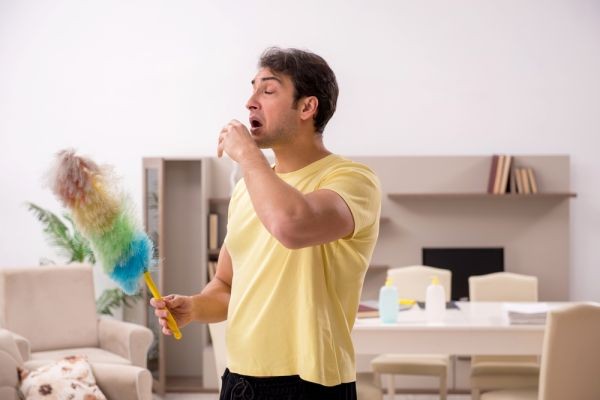
If someone in your family sneezes the moment they walk through the door or you’re constantly dealing with itchy eyes, congestion, or lingering coughs, you’re not alone. Indoor allergens are a common cause of year-round discomfort, especially for busy, working parents juggling jobs, kids, and household responsibilities.
The good news? You don’t need to spend hours deep cleaning every weekend. With the proper cleaning habits, a focus on high-impact areas, and realistic routines, you can significantly reduce allergens and create a healthier home without adding stress to your schedule.
This guide shares practical, parent-friendly cleaning strategies that actually work and are easy to maintain.
What Are Common Household Allergens?
Before diving into solutions, it helps to understand what you’re up against. The most common indoor allergens include:
- Dust mites (found in bedding, carpets, and upholstery)
- Pet dander (tiny skin flakes from animals)
- Mold spores (often in damp bathrooms or basements)
- Pollen (tracked indoors on shoes, clothing, and pets)
- Cockroach droppings (a frequent hidden trigger in urban homes)
These allergens build up quietly over time, especially in busy households. That’s why consistent cleaning habits, combined with occasional support from trusted house cleaners Vancouver families rely on, can make a noticeable difference in maintaining healthier indoor air.
Why Proper House Cleaning Matters for Allergy Control
Allergens don’t just sit on visible surfaces; they settle deep into fabrics, circulate through the air, and cling to clutter. Proper house cleaning helps by:
- Removing allergens instead of redistributing them
- Improving indoor air quality
- Reducing allergy and asthma symptoms
- Creating a healthier environment for children and adults
For working parents, the goal isn’t perfection, it’s efficiency and consistency.
High-Impact Cleaning Tips That Fit Real Life
1. Prioritize Bedrooms and Bedding
Since we spend about one-third of our lives in bed, bedrooms constitute a significant allergen hotspot.
What to do:
- Wash sheets, pillowcases, and blankets weekly in hot water (130°F / 54°C).
- Use allergen-proof covers for mattresses and pillows.
- Choose washable comforters over heavy duvets.
- Limit decorative pillows and plush toys.
Time-saving tip: Start a bedding load before work and switch it to the dryer when you get home.
2. Vacuum the Right Way
Vacuuming only helps if it captures allergens effectively.
Best practices:
- Use a vacuum with a HEPA filter.
- Vacuum carpets, rugs, and upholstered furniture 1–2 times per week.
- Move slowly to allow proper suction.
Busy-parent strategy: Vacuum high-traffic areas midweek and do a full clean on weekends.
3. Clean Hard Floors and Surfaces Properly
Dust settles everywhere, not just on carpets.
Smart approach:
- Dust using damp microfiber cloths, not dry dusters.
- Mop hard floors weekly.
- Wipe baseboards and window sills monthly.
Microfiber traps allergens instead of pushing them into the air.
4. Control Moisture to Prevent Mold
Mold spores are powerful allergy triggers.
Easy prevention steps:
- Use bathroom fans during and after showers.
- Wipe shower walls weekly.
- Fix leaks quickly.
- Use a dehumidifier in damp areas.
One-minute habit: Keep a squeegee in the shower and swipe walls after bathing.
5. Reduce Pet Allergens (Without Rehoming Your Pet)
You can manage pet dander without saying goodbye.
Try this:
- Keep pets out of bedrooms if possible.
- Wash pet bedding weekly.
- Brush pets outdoors.
- Vacuum pet-favorite areas more often.
Consistency matters more than drastic changes.
6. Declutter to Minimize Dust Traps
Clutter collects dust, and allergens love it.
Focus on reducing:
- Paper piles
- Open shelving clutter
- Excess décor
- Unused textiles and toys
Tackle one small area at a time to keep it manageable.
Choose Cleaning Products That Support Healthy Air
Strong scents and harsh chemicals can irritate sensitive airways.
Look for:
- Fragrance-free or low-VOC cleaners
- Simple ingredients like vinegar or baking soda
- EPA Safer Choice certified products
Cleaner air is just as crucial as cleaner surfaces.
A Simple Weekly Cleaning Routine for Allergy Relief
Daily (5–10 minutes):
- Wipe kitchen counters
- Put away clutter
Weekly (30–60 minutes total):
- Wash bedding
- Vacuum carpets and rugs
- Mop hard floors
- Clean bathroom surfaces
Monthly:
- Dust vents and ceiling fans
- Wash curtains or blinds
- Deep-clean pet areas
Final Thoughts
Reducing allergens isn’t about having a spotless home, it’s about building smart, sustainable habits. Even small, consistent changes can significantly improve indoor air quality and help your family breathe easier.
As a working parent, give yourself grace. Focus on what matters most, create routines that fit your life, and remember that support is always an option. When your schedule gets overwhelming, partnering with a reliable cleaning service like Hellamaid can help you maintain a healthier home without adding extra stress.
Your home doesn’t need to be perfect, it just needs to support the people who live in it.
FAQs
How can I reduce allergens in my house quickly?
Wash bedding, vacuum with a HEPA filter, and dust using damp microfiber cloths.
What’s the most significant source of indoor allergens?
Dust mites in bedding and carpets are the most common culprits.
How often should I clean to reduce allergies?
Light daily cleaning plus targeted weekly tasks works better than infrequent deep cleans.






