
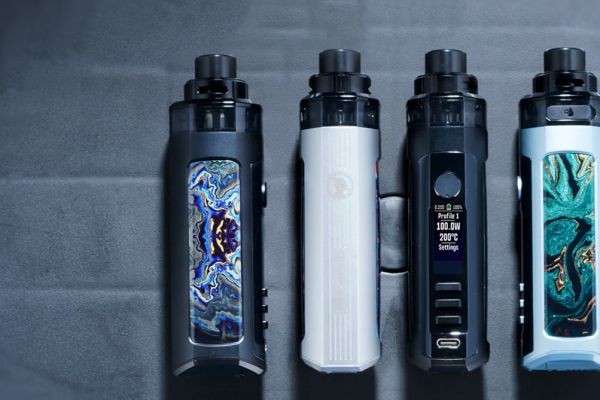
People often group vaping and smoking together, but they work in very different ways. The confusion usually comes from the fact that both involve inhaling something. Beyond that surface similarity, the mechanics and exposure are not the same.
Across vapes Australia discussions, one of the most common questions is whether vaping is just another version of smoking. It isn’t. Here’s how they differ.
1. Combustion vs Vapour
The biggest difference is combustion.
Smoking burns tobacco. Burning creates smoke, ash, and thousands of chemical compounds, including tar and carbon monoxide. That combustion process is what causes most of the well-known health damage associated with cigarettes.
Vaping does not burn anything. A device heats liquid to create vapour. There is no ash, no flame, and no smoke.
That mechanical difference changes what the user is exposed to.
2. Smoke vs Aerosol
Cigarette smoke is the result of burning plant material. It contains tar particles that stick to lungs, teeth, and surfaces.
Vapour is an aerosol created from heated liquid. It dissipates more quickly and does not leave ash behind.
The smell difference is also noticeable. Smoke lingers in clothes, rooms, and cars. Vapour tends to fade faster.
3. Chemical Exposure Profile
Cigarette smoke contains thousands of chemicals, many of which are toxic or carcinogenic because of combustion.
Vaping liquids typically contain fewer base ingredients, commonly including propylene glycol, vegetable glycerine, flavouring, and nicotine if applicable.
This does not make vaping risk-free. It does mean the exposure profile is different from burning tobacco.
4. Odour and Residue
Smokers are familiar with:
- Stained fingers
- Ash trays
- Lingering smoke smell
- Yellowing walls over time
Vaping does not produce ash. It does not create the same residue buildup in indoor environments.
That difference alone changes how people experience day-to-day use.
5. Nicotine Delivery Experience
Both smoking and vaping can deliver nicotine.
Cigarettes deliver nicotine rapidly due to combustion and inhalation of smoke. Vaping devices can vary in how they deliver nicotine depending on design and formulation.
Some vaping devices are designed to mimic the draw of a cigarette. Others feel smoother or less intense.
The sensation differs depending on the device and liquid strength.
6. Ritual and Behaviour
Smoking involves lighting a cigarette, burning it down, and disposing of it.
Vaping usually involves activating a device without flame. There is no lighter, no ash disposal, and no fixed “end point” like a finished cigarette.
The behavioural pattern can feel similar in hand-to-mouth motion, but the process itself is different.
7. Regulation and Access in Australia
In Australia, smoking and vaping are regulated differently.
Tobacco products are widely available but heavily taxed. Vaping products, particularly nicotine-containing ones, are regulated under specific health and prescription frameworks.
Anyone considering either should understand current Australian regulations.
The Clear Distinction
Smoking is based on combustion.
Vaping is based on vapour.
Both involve inhalation, but the chemical and mechanical processes differ significantly.
Understanding that difference helps move the conversation away from generalisation and toward informed choice.






