
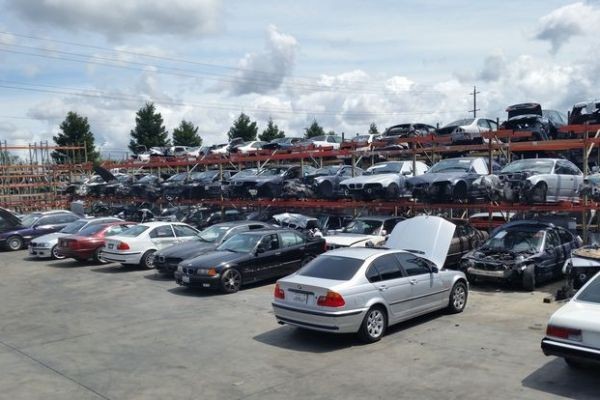
Cash offers for vehicles in the auto market are closely linked with the physical and functional condition of the vehicle. Buyers assess many elements before deciding the amount they are willing to pay. A car is not only viewed as a whole unit but also as a collection of parts, systems, and usable materials. Each part can add or reduce the final cash offer depending on its state.
Vehicle condition influences whether a car will be resold, dismantled for parts, or processed for recycling. Understanding how condition is assessed helps explain why two similar cars can receive different cash offers in the market.
Mechanical Condition of the Vehicle
The mechanical condition plays a major role in determining the cash offer. This refers to the working state of the engine, transmission, cooling system, suspension, and braking system.
A vehicle with a functioning engine that starts without issues often receives a higher cash offer compared to one with engine failure. Transmission condition also carries weight because repair or replacement can require major work.
Suspension and braking systems are assessed for safety and usability. When these systems show wear or damage, the vehicle is often considered for parts recovery rather than road use. Mechanical faults usually lower the offer because repair work requires time and replacement components.
Exterior Condition
The outer condition of a vehicle is another important factor. This includes paint quality, body dents, rust presence, and panel alignment.
Vehicles with minimal scratches and no major dents are often assessed as more suitable for resale. Rust, especially around wheel arches and underbody sections, reduces the potential cash offer because it signals long term structural weakening.
Panel damage from collisions affects assessment strongly. If doors, bumpers, or guards are misaligned or heavily damaged, the vehicle is often moved toward dismantling rather than resale.
Interior Condition
The interior condition includes seats, dashboard, electronics, flooring, and overall cabin state.
Seats with minimal wear and no major tears support a stronger cash offer. Functional electronics such as air conditioning controls, window systems, and infotainment units also influence the assessment.
Water damage or mould inside the cabin reduces the offer significantly. Electrical faults inside the cabin can increase dismantling considerations, as repairing internal wiring systems can involve extensive labour.
Odometer Reading and Usage
The odometer reading shows how much the vehicle has been driven. Higher mileage usually indicates greater wear across engine components, suspension parts, and internal systems.
Vehicles with lower mileage are often seen as having longer remaining operational life. Higher mileage vehicles may still be usable, but they are more likely to require maintenance or replacement of worn parts.
Usage type also matters. A car used mainly for long highway driving may experience less wear compared to one used in stop-start city traffic, even if both have similar odometer readings.
Accident History
Accident history has a direct effect on cash offers. Vehicles involved in major collisions are often assessed for structural integrity.
If the chassis or frame is damaged, the vehicle is generally not considered suitable for road use. Even after repairs, previous structural damage can reduce demand.
Minor accidents that only affect cosmetic parts may have a smaller impact. However, multiple accident records can still lower the overall assessment because of uncertainty regarding hidden damage.
Service and Maintenance History
Service records provide insight into how well the vehicle has been maintained. Regular servicing indicates that oil changes, filter replacements, and mechanical inspections were carried out over time.
Vehicles without service records may receive lower offers because buyers cannot confirm maintenance history. Missing records increase uncertainty about engine condition and general wear.
A documented maintenance history supports better assessment outcomes, as it reduces unknown factors during inspection.
How Buyers Calculate Cash Offers
Buyers in the auto market calculate cash offers by combining condition assessment with current demand for parts and resale potential.
A vehicle is often broken down into categories such as engine usability, body condition, and parts recoverability. Each category contributes differently to the final offer.
Market demand for specific models also influences the offer. Vehicles with commonly used parts may receive higher offers even if the overall condition is average. Rare models may depend more on salvage potential than resale potential.
You can check scrap car buying options in Sydney at https://nswautowrecker.com.au/scrap-car-buyer-sydney/
Condition Categories and Market Impact
Vehicles are generally grouped into condition categories:
- Roadworthy vehicles with minor wear
- Vehicles requiring repair before road use
- Vehicles suitable only for parts recovery
- Vehicles suited for recycling only
Roadworthy vehicles tend to receive higher offers because they can be resold with minimal work. Vehicles in poor condition are often assessed based on metal content and reusable components.
Parts recovery plays a major role in older vehicles. Components such as alternators, gearboxes, and doors may still hold usability even when the full vehicle is no longer functional.
Role of Dismantling and Recycling in Cash Offers
Auto dismantling operations influence how condition affects cash offers. Vehicles that cannot be driven or repaired are often dismantled for reusable parts.
Metal recycling also contributes to the assessment. Steel, aluminium, and other materials are weighed and processed based on current scrap metal rates. The amount of recyclable material present in a vehicle affects the final cash offer.
Even severely damaged vehicles can still generate returns through material recovery processes. This is why condition does not always mean zero demand in the market.
Ways Condition Changes Market Demand
Vehicle condition affects demand in several ways. A well-maintained vehicle attracts interest from resellers, while a damaged vehicle may attract dismantlers.
Certain components such as engines or gearboxes can create demand even when the rest of the vehicle is not usable. Electrical systems and catalytic converters may also influence interest due to material content.
Seasonal demand can also play a role. For example, air conditioning systems may be more sought after during warmer periods, affecting how specific parts are assessed.
Importance of Documentation
Documentation such as registration papers, service receipts, and ownership proof affects how quickly a vehicle can be assessed and processed.
Missing documentation may slow down assessment processes and reduce certainty in ownership transfer. Clear records help establish vehicle history, which supports condition evaluation.
Service Promotion Paragraph
When considering disposal of a vehicle that has reached the end of its usable life, many owners look for structured ways to convert it into cash based on its condition. In situations where a car has mechanical faults, accident damage, or is no longer suitable for road use, some services provide an option to assess the vehicle and offer payment based on its remaining parts and material recovery potential. One such option is available through NSW Auto Wreckers, where owners can proceed with arrangements to sell your car for cash Sydney. This approach is often used for vehicles that no longer meet road requirements, allowing them to be collected and processed according to their condition and component usability.
Conclusion
Vehicle condition has a direct impact on cash offers in the auto market. Mechanical performance, exterior and interior state, mileage, accident history, and maintenance records all contribute to how a vehicle is assessed. Each factor influences whether the car is suitable for resale, parts recovery, or recycling.
The condition of a vehicle determines how it is processed within the auto market system, shaping the final cash offer through a combination of usability, demand for components, and material recovery potential.






