
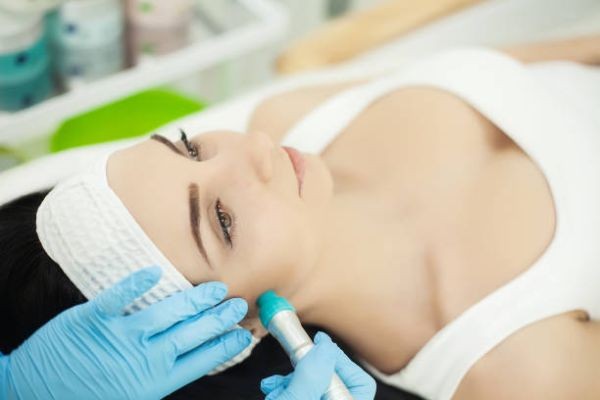
Rosacea is a chronic inflammatory skin condition that affects the central face, often presenting with persistent redness, flushing, visible blood vessels, and increased sensitivity. The condition follows a relapsing pattern, with periods of flare and relative calm, and is thought to involve vascular instability, inflammation, and altered skin barrier function. For those with rosacea, choosing a facial treatment can feel risky—many standard procedures trigger more redness, warmth, or irritation rather than improvement. Hydrafacial in Riyadh This is why any treatment for rosacea-prone skin must be adaptable, gentle, and carefully personalised.
Why Hydrafacial Can Be a Suitable Option
For many people with rosacea-prone skin, Hydrafacial is considered a low-irritation option when performed correctly. Unlike traditional facials that rely on manual pressure, steam, or harsh abrasives, the Hydrafacial uses a controlled vortex system to cleanse, exfoliate gently, extract impurities, and infuse hydrating serums. Its non-invasive nature and customisable approach align with key principles of rosacea management: maintaining hydration and avoiding irritation. A clinical study published in The Journal of Clinical and Aesthetic Dermatology found that Hydrafacial treatments were generally well tolerated, with improvements in skin hydration and texture and minimal adverse effects when appropriate protocols were followed.
How Hydrafacial Is Adapted for Sensitive, Rosacea-Prone Skin
The key to making Hydrafacial safe for rosacea-prone skin lies in customisation. Standard protocols must be modified to prioritise skin comfort over intensity. Practitioners typically recommend the following adaptations for reactive skin:
-
Use the blue HydroPeel tip for gentle exfoliation only, avoiding more abrasive tips
-
Start suction at the lowest setting and increase only if the skin tolerates it
-
Make a single pass per area; avoid repeated passes over the same zone
-
Skip the acid peel step entirely if the skin is actively inflamed
-
Use soothing, hydrating boosters like Hydralock HA or calming serums rather than active exfoliants
According to guidance from the British Association of Dermatologists, maintaining hydration and avoiding irritation are key principles in rosacea skin care. Hydrafacial can align with these principles when treatments are carefully adapted to individual skin needs.
What to Expect and Who Should Exercise Caution
For suitable candidates, a modified Hydrafacial can support skin hydration and comfort. The treatment generally feels refreshing and gentle, with mild redness possible but typically resolving quickly. However, there are situations where Hydrafacial may not be appropriate. You should delay or modify treatment if you have:
-
Active rosacea flare-ups with increased redness, bumps, or tenderness
-
Broken skin, open lesions, or severe inflammation
-
Recent sunburn or post-procedure sensitivity
-
A history of reacting to acids, exfoliation, or suction-based treatments
It is also important to clarify that Hydrafacial does not treat rosacea itself; it is a supportive maintenance treatment that may help some patients feel more comfortable when the skin is stable. If facial redness is persistent, worsening, or accompanied by eye symptoms, a dermatologist should evaluate it.
For those seeking expert guidance and customized aesthetic care, you can book an appointment consultation at the Enfield Royal Clinic.
Frequently Asked Questions
Is a Hydrafacial safe for rosacea-prone skin?
It can be, when performed conservatively. Reactive skin requires careful intensity and product selection, using only gentle exfoliation and low suction settings.
Can a Hydrafacial make rosacea worse?
It can for some people, especially if the treatment is too aggressive or done during a flare. Customisation and skin selection matter significantly.
Should I get a Hydrafacial during a rosacea flare?
Many people do better with a simpler plan during a flare. If your skin feels hot, tight, or unusually reactive, it is reasonable to scale back and ask for guidance.
Can a Hydrafacial treat rosacea?
It may support comfort and maintenance for some patients, but it is not a cure and should not replace medical evaluation when symptoms are persistent or progressing.
What adaptations make a Hydrafacial suitable for rosacea?
A rosacea-conscious approach includes gentler settings, less exfoliation, fewer actives, limited or no extractions, and close attention to how your skin feels throughout the treatment.






