
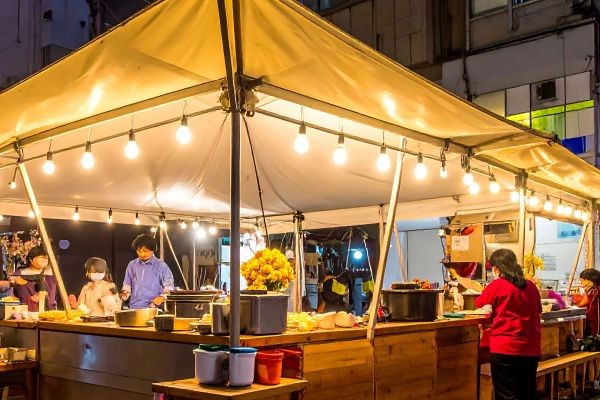
United States Decorative Lighting Market Size and Forecast 2025–2033
The United States decorative lighting market [https://www.renub.com/united-states-decorative-lighting-market-p.php] is entering a period of sustained expansion, reflecting the country’s evolving design sensibilities and growing appetite for aesthetically driven living spaces. According to Renub Research, the market is projected to grow from US$ 34.64 billion in 2024 to US$ 56.72 billion by 2033, registering a Compound Annual Growth Rate (CAGR) of 5.63% between 2025 and 2033.
This steady growth is being fueled by rising urban development, increasing consumer investment in home décor, and the rapid integration of smart and energy-efficient lighting technologies. Decorative lighting has moved far beyond basic functionality; it now defines ambience, enhances architectural appeal, and reflects personal style across residential and commercial spaces.
Industry Overview
The United States decorative lighting industry has evolved into a design-centric segment within the broader lighting market. Consumers today view lighting not merely as illumination but as an integral component of interior design. Chandeliers, pendant lights, sconces, and statement fixtures are used to transform living rooms, kitchens, offices, restaurants, and hospitality venues.
Social media platforms and home improvement trends have significantly influenced purchasing behavior. Design inspiration is now widely accessible, encouraging homeowners to experiment with layered lighting, mood lighting, and personalized décor concepts. The rise of do-it-yourself renovation culture has also contributed to growing demand for versatile and visually appealing lighting solutions.
Technological innovation has further reshaped the market. LED advancements have enabled manufacturers to create energy-efficient, long-lasting, and design-flexible lighting fixtures. Smart lighting systems now allow users to control brightness, color temperature, and ambiance through mobile applications or voice assistants, aligning with the broader smart home ecosystem.
Retail transformation has also played a pivotal role. E-commerce platforms have expanded product accessibility, allowing consumers to compare designs, prices, and features conveniently. Meanwhile, brick-and-mortar showrooms continue to provide experiential purchasing opportunities for high-end and customized lighting products.
Download Free Sample Report:https://www.renub.com/request-sample-page.php?gturl=united-states-decorative-lighting-market-p.php
Key Drivers of Market Growth
Rising Focus on Home Aesthetics and Interior Design
One of the most significant growth drivers is the increasing emphasis on home aesthetics. Lighting has become a powerful design element capable of reshaping spatial perception and atmosphere. Homeowners are investing in decorative fixtures that reflect individuality while enhancing overall interior harmony.
Interior design trends promoted through digital platforms have amplified awareness of modern lighting styles. From minimalist pendants to ornate chandeliers, consumers are exploring a wide spectrum of options to complement contemporary décor themes.
The surge in renovation and remodeling activities further strengthens demand. As existing homes undergo upgrades, decorative lighting often becomes a focal point of transformation.
Advancements in LED and Smart Lighting Technologies
Technological advancements have significantly influenced the decorative lighting market. LED technology offers superior energy efficiency, reduced maintenance costs, and extended product lifespan. These attributes align with sustainability goals and cost-conscious consumer preferences.
Smart decorative lighting systems are increasingly popular, enabling customization of brightness and color schemes. Integration with smart home platforms enhances convenience and energy management.
Manufacturers are also incorporating eco-friendly materials and sustainable production methods to meet regulatory standards and environmentally conscious consumer expectations.
Expansion of Construction, Real Estate, and Hospitality Sectors
Growth in residential construction and commercial infrastructure projects continues to create opportunities for decorative lighting providers. New housing developments and luxury residential projects emphasize design-forward lighting concepts.
The hospitality sector, including hotels, restaurants, and entertainment venues, invests heavily in decorative lighting to elevate customer experience and brand perception. Custom-designed lighting installations contribute to ambiance, aesthetics, and spatial storytelling.
Commercial offices and retail spaces are also adopting innovative lighting solutions to enhance productivity and customer engagement.
Challenges Facing the Market
Intense Competition and Market Fragmentation
The U.S. decorative lighting market is highly fragmented, with numerous domestic and international players competing across price segments. This intense competition places pressure on pricing strategies and profit margins.
Large brands benefit from economies of scale and brand recognition, while smaller manufacturers must differentiate through design innovation, customization, and niche targeting.
Price Sensitivity and Low-Cost Alternatives
Consumer price sensitivity presents another challenge. Affordable imported products have increased competitive pressure, particularly in the mid- and lower-tier segments.
Balancing cost efficiency with design innovation and product quality remains essential for manufacturers aiming to retain market share.
State-Level Market Insights
California
California stands as a leading decorative lighting market driven by sustainability awareness and design innovation. Urban hubs such as Los Angeles and San Francisco showcase high demand for modern, LED-based, and smart lighting solutions. Green building standards and energy regulations further accelerate LED adoption.
Texas
Texas benefits from rapid urbanization and strong residential construction growth. Cities like Houston, Dallas, and Austin demonstrate rising demand for both contemporary and traditional lighting styles. Commercial establishments and hospitality venues contribute significantly to state-level market expansion.
New York
New York’s market is defined by premium, design-focused lighting demand. Urban households, boutique hotels, and upscale commercial spaces favor minimalist, smart-enabled fixtures. E-commerce plays a strong role in serving diverse consumer preferences across the state.
Florida
Florida’s decorative lighting market is supported by residential expansion and a growing hospitality industry. Coastal architectural styles influence preferences for bright, modern, and airy lighting designs. The state’s renovation culture and rising disposable incomes further support market growth.
Recent Industry Developments
- In February 2025, Nature's Miracle Holding Inc. signed a non-binding letter of intent to acquire Visionaire Lighting, aiming to expand into solar-hybrid outdoor lighting solutions.
- In January 2025, Kingswood Capital completed the joint acquisition of Kichler and Progress Lighting, launching Coleto Brands to consolidate operations and expand omnichannel distribution.
- LEDVANCE strengthened its high-specification project portfolio by acquiring a German lighting studio, enhancing its position in hospitality and cultural venue segments.
- Kuzco Lighting acquired Insight Lighting, adding advanced optical technologies to its decorative offerings and supporting hybrid architectural-decorative innovations.
These strategic moves highlight consolidation trends and a growing emphasis on product innovation and omnichannel expansion.
Market Segmentation
By Light Source:
LED, Fluorescent, Incandescent, Others
By Product:
Sconce, Flush Mount, Chandeliers, Pendants, Others
By Application:
Commercial, Household
By Distribution Channel:
Offline, Online
By State Coverage:
California, Texas, New York, Florida, Illinois, Pennsylvania, Ohio, Georgia, New Jersey, Washington, North Carolina, Massachusetts, Virginia, Michigan, Maryland, Colorado, Tennessee, Indiana, Arizona, Minnesota, Wisconsin, Missouri, Connecticut, South Carolina, Oregon, Louisiana, Alabama, Kentucky, Rest of United States
Competitive Landscape
Key companies operating in the U.S. decorative lighting market include:
- Acuity Brands Lighting Inc.
- Generation Lighting
- Maxim Lighting
- GE Lighting
- Juno Lighting LLC
- Lowe's
- Osram
- Amerlux
- AZZ Inc.
Companies are evaluated across key parameters including company overview, key personnel, recent developments, SWOT analysis, and revenue performance. Product differentiation, smart integration, and sustainability initiatives remain central to competitive positioning.
Final Thoughts
The United States decorative lighting market reflects a broader shift toward design-driven and technology-enabled living environments. With Renub Research projecting growth from US$ 34.64 billion in 2024 to US$ 56.72 billion by 2033 at a CAGR of 5.63%, the industry demonstrates consistent momentum supported by innovation and evolving consumer lifestyles.
As sustainability standards tighten and smart home ecosystems expand, decorative lighting will continue to merge aesthetics with functionality. Companies that prioritize design creativity, technological integration, and omnichannel accessibility are well positioned to thrive in this dynamic and visually transformative market.






