
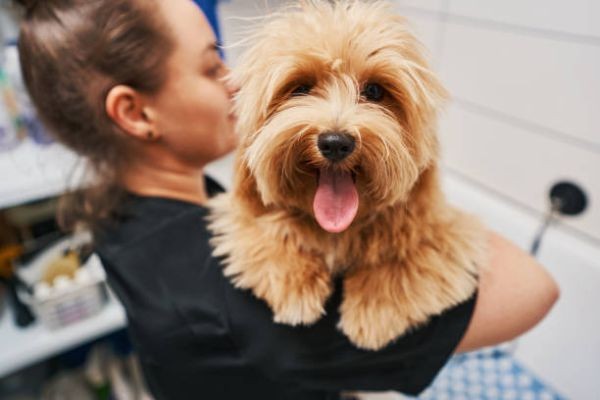
Pet grooming requirements are not the same for every pet, and one of the most overlooked factors influencing grooming routines is climate. Temperature, humidity, seasonal changes, and environmental exposure all play a major role in determining how often and how carefully pets need grooming. Pets living in hot, humid regions may face completely different coat and skin challenges compared to those in colder or drier environments. Understanding how climate affects grooming helps pet owners maintain better hygiene and prevent common skin issues.
Environmental conditions directly influence shedding cycles, coat density, and skin hydration levels. In regions with extreme weather variations, adjusting a structured Pet Grooming routine becomes essential to keep pets comfortable throughout the year. Grooming schedules should not remain fixed; instead, they should adapt based on seasonal coat changes and environmental exposure.
Grooming Challenges in Hot and Humid Climates
Hot and humid weather creates ideal conditions for bacterial and fungal growth, especially in pets with thick or double coats. Excess moisture trapped in the fur can lead to skin irritation, itching, and unpleasant odors. Regular brushing helps improve airflow through the coat and reduces moisture buildup.
Pets in humid regions may also require more frequent bathing, but overbathing should be avoided. Gentle, balanced grooming routines that focus on proper drying techniques are important to prevent skin infections. Areas such as under the legs, around the ears, and between paw pads tend to retain moisture and should be checked regularly.
Another common issue in warmer climates is increased parasite exposure. Fleas and ticks thrive in warm environments, making coat maintenance and hygiene grooming essential. Regular grooming sessions help detect parasites early and prevent infestations from spreading.
Grooming Considerations in Cold Weather Conditions
Cold climates bring a different set of grooming challenges. During winter, many pets develop thicker coats for insulation. While this natural process protects them from low temperatures, it also increases the chances of mat formation if brushing is neglected.
Dry air is another concern in colder regions. Low humidity levels can cause flaky skin and dull coats. Using moisturizing grooming products and maintaining regular brushing routines helps distribute natural oils that keep the coat healthy.
Pet owners sometimes reduce grooming frequency during winter, assuming pets shed less. However, neglecting grooming during this period can lead to tangled fur and hidden skin issues that become noticeable only when the coat begins shedding heavily during seasonal transitions.
Urban vs Outdoor Environmental Exposure
Location is not only about climate—it also includes lifestyle and surroundings. Pets living in urban environments face exposure to dust, pollution, and chemical residues from roads or pavements. These external elements accumulate on the coat and skin, making regular cleaning essential.
Urban pets may also experience paw-related issues due to contact with rough or heated surfaces. Grooming routines for such pets should include paw inspections and cleaning after outdoor walks.
On the other hand, pets living in semi-urban or rural areas often face exposure to mud, grass particles, and insects. Their grooming routine typically requires more frequent brushing and coat checks to remove debris and prevent matting.
Seasonal Coat Transitions and Grooming Adjustments
Most pets experience seasonal shedding cycles influenced by temperature changes and daylight duration. During seasonal transitions, pets may shed heavily as they adjust their coat density. This is particularly common in double-coated breeds.
Increasing brushing frequency during shedding seasons helps remove loose fur and prevents tangles. It also reduces hair accumulation inside the home. Seasonal grooming adjustments allow better coat management while maintaining skin health.
Temperature changes may also affect bathing frequency. For example, pets may require more frequent baths during summer due to sweating and outdoor exposure, while winter grooming may focus more on brushing and coat maintenance rather than frequent bathing.
Skin Sensitivity and Environmental Allergens
Climate and location also influence allergen exposure. Dust mites, pollen, and mold spores are common environmental triggers that can cause skin irritation in pets. Grooming helps remove these allergens from the coat before they lead to excessive scratching or redness.
Pets living in areas with high pollen levels may benefit from routine coat wiping after outdoor activity. Regular ear cleaning and coat maintenance also help reduce irritation caused by allergen accumulation.
Monitoring skin condition during grooming sessions allows pet owners to detect early signs of allergic reactions. Redness, flaky patches, or excessive licking are indicators that grooming routines may need adjustment.
Building a Climate-Based Grooming Routine
Creating a grooming routine based on climate and location helps prevent many common hygiene and skin problems. Instead of following a fixed schedule, pet owners should observe seasonal changes and environmental exposure levels.
Brushing frequency, bathing intervals, and hygiene grooming should all be adjusted depending on weather conditions. Regular observation of coat texture and skin condition helps determine when grooming routines need modification.
Professional grooming support can further help pet owners adapt routines based on regional climate conditions. Services from Vetic can assist in identifying coat and skin care requirements suited to different environmental factors, ensuring pets remain comfortable throughout seasonal changes.
Conclusion
Climate and location play a significant role in shaping pet grooming needs. From managing humidity-related skin concerns to addressing dryness during colder months, grooming routines must adapt to environmental conditions. By adjusting grooming practices according to weather patterns and surroundings, pet owners can maintain better hygiene, improve coat health, and prevent avoidable skin issues throughout the year.






