
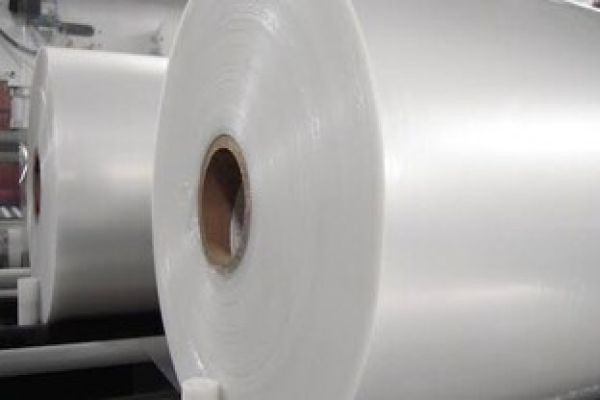
The global BOPP film industry operates within a complex environment shaped by multiple demand-side and supply-side forces. Understanding bopp film market dynamics is essential for manufacturers, converters, and investors seeking to balance growth opportunities with operational and regulatory challenges. Market dynamics influence production strategies, pricing decisions, innovation focus, and long-term competitiveness across regions.
BOPP films remain widely used due to their strength, clarity, moisture resistance, and adaptability across packaging and industrial applications. However, the industry’s performance is increasingly determined by how effectively stakeholders respond to evolving drivers, restraints, and emerging opportunities.
Key Market Drivers Supporting Industry Growth
Rising demand for flexible packaging is one of the strongest drivers influencing the BOPP film market. Flexible formats offer reduced material usage, lower transportation costs, and improved convenience compared to rigid packaging. BOPP films align well with these requirements, supporting steady demand growth.
Food and beverage packaging continues to be a major growth driver. Increasing consumption of packaged foods, driven by urbanization and changing lifestyles, has created consistent demand for films that offer barrier protection and machinability.
Labeling applications also play a vital role. Pressure-sensitive and wrap-around labels made from BOPP films are preferred for their durability and resistance to moisture and chemicals, especially in beverages and personal care products.
Market Restraints Limiting Expansion
Despite favorable demand trends, the BOPP film market faces several restraints. Volatility in polypropylene resin prices directly impacts production costs and profit margins. Sudden fluctuations can disrupt pricing strategies and create uncertainty for manufacturers.
Environmental regulations related to plastic usage and waste management pose additional challenges. Compliance with recycling mandates and sustainability standards often requires capital investment in new technologies and materials, increasing operational costs.
Energy price fluctuations also act as a restraint, as film production processes are energy intensive. Rising energy costs can affect overall manufacturing efficiency, particularly for smaller producers.
Emerging Market Opportunities
Significant opportunities are emerging from the growing focus on sustainability. Recyclable and mono-material packaging solutions are gaining traction as brand owners seek to reduce environmental impact. BOPP films are well suited for such applications due to their recyclability and downgauging potential.
Specialty films represent another promising opportunity. Matte, metallized, pearlized, and high-barrier BOPP films are increasingly used in premium packaging segments where visual appeal and shelf differentiation are important.
Growth in e-commerce is also opening new opportunities for BOPP films in secondary and protective packaging applications. Durability and lightweight properties make these films suitable for logistics and distribution-focused use cases.
Industry Challenges Affecting Market Performance
The BOPP film industry faces intense competition, particularly in standard film grades. Price-based competition can erode margins and limit profitability, forcing manufacturers to differentiate through quality and innovation.
Capacity overexpansion in certain regions can lead to supply-demand imbalances, putting downward pressure on prices. Managing capacity utilization remains a key challenge for producers operating in highly competitive markets.
Supply chain disruptions, including logistics constraints and raw material shortages, can further impact production schedules and delivery commitments, affecting customer relationships.
Balancing Innovation and Cost Efficiency
One of the central challenges in market dynamics is balancing innovation with cost control. While customers demand advanced film properties and sustainability features, they also remain price sensitive.
Manufacturers must invest in process optimization, energy efficiency, and product development to maintain competitiveness without significantly increasing costs. Companies that successfully balance these factors are better positioned to sustain growth.
Regional Dynamics Influencing Market Behavior
Regional dynamics add further complexity to market behavior. Asia-Pacific continues to dominate production and consumption due to strong domestic demand and manufacturing capacity.
In contrast, Europe and North America emphasize regulatory compliance, recycling, and premium packaging solutions. These differences influence investment decisions, product portfolios, and competitive strategies across regions.
Conclusion
The BOPP film market is shaped by a dynamic interplay of drivers, restraints, opportunities, and challenges. While flexible packaging demand, labeling growth, and sustainability initiatives support expansion, raw material volatility, regulatory pressure, and competition present ongoing challenges. Companies that understand and adapt to evolving market dynamics are better positioned to achieve long-term stability and growth in the global BOPP film industry.






