
In many industries, storing materials safely and efficiently is very important. Factories, farms, food processing plants, and chemical companies all need reliable ways to store liquids, powders, or gases. One of the most common solutions used around the world is the storage tank. Among the different types available, steel storage tanks are especially popular because they are strong, durable, and long-lasting.
Steel tanks are used to store many types of materials, including water, oil, chemicals, fuel, and food products. Because steel is a strong metal, it provides a safe and dependable way to store large amounts of materials without damage or leaks. In this blog, we will explore the key benefits of using steel storage tanks and why they are widely used in industrial storage systems.
What Is a Steel Storage Tank?
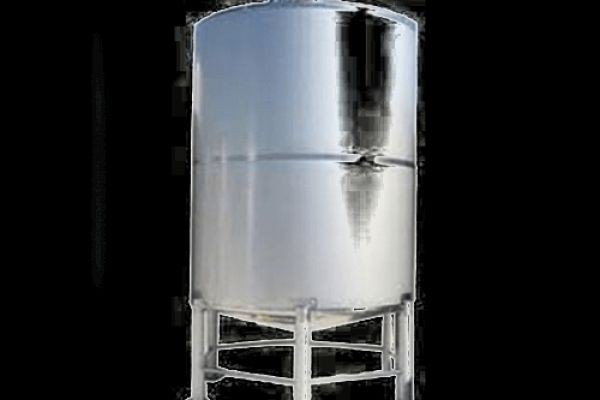
A steel storage tank is a large container made from strong steel material that is used to hold liquids, gases, or other substances. These tanks come in different sizes and shapes depending on the type of material being stored and the needs of the industry.
Some tanks are placed above the ground, while others are installed underground. They can also be vertical or horizontal depending on the available space and storage requirements.
Industries often choose steel tanks because they provide safe and efficient storage for large quantities of materials.
Strength and Durability
One of the biggest advantages of using a steel tank is its strength. Steel is known for being one of the strongest materials used in industrial equipment. Because of this, steel storage tanks can handle heavy loads and high pressure without breaking or cracking.
Industrial storage often involves large volumes of liquid or chemicals, which can put a lot of pressure on the walls of the tank. Steel tanks are designed to handle this pressure safely.
In addition, steel tanks can withstand harsh environments such as high temperatures, strong winds, and heavy rain. This makes them ideal for outdoor industrial use.
Long Lifespan
Another important benefit of steel storage tanks is their long lifespan. When properly maintained, a steel tank can last for many years or even decades.
Steel is resistant to many forms of damage that affect other materials. For example, plastic tanks may weaken over time when exposed to sunlight, while concrete tanks can crack under certain conditions.
Steel tanks are designed to remain strong and stable for a long period of time. This makes them a cost-effective solution for businesses that need reliable storage.
High Storage Capacity
Industries often need to store large quantities of materials. Steel tanks are designed to handle high storage capacities, making them suitable for large-scale operations.
Many factories and plants use large steel storage tanks to store thousands or even millions of liters of liquid. These tanks help businesses manage their resources efficiently and maintain a steady supply of materials for production.
Because steel tanks can be built in different sizes, companies can choose the capacity that best fits their needs.
Resistance to Corrosion
Corrosion is a common problem in storage systems, especially when storing liquids or chemicals. However, modern steel storage tanks are often treated with protective coatings that help prevent corrosion.
These coatings protect the metal from moisture, chemicals, and environmental factors that could damage the tank over time.
In addition, stainless steel tanks are highly resistant to rust and corrosion, making them ideal for industries such as food processing and pharmaceuticals where cleanliness and safety are very important.
Versatility in Industrial Applications
Steel storage tanks are used in many different industries because they are highly versatile. This means they can store a wide variety of materials.
Some common uses include:
-
Water storage in municipal systems
-
Oil and fuel storage in energy industries
-
Chemical storage in manufacturing plants
-
Food ingredient storage in food processing industries
-
Agricultural storage for fertilizers or liquid feed
Because of their flexibility, steel tanks can be designed to meet the specific needs of different industries.
Easy Maintenance
Maintenance is an important part of any industrial equipment. Steel storage tanks are relatively easy to maintain compared to some other types of storage systems.
Regular inspections and cleaning help ensure the tank continues to operate safely. If any small issues occur, they can usually be repaired quickly without replacing the entire tank.
Proper maintenance can extend the life of the tank and keep it functioning efficiently.
Safety and Reliability
Safety is one of the most important factors in industrial storage. Materials such as fuel, chemicals, and gases must be stored securely to prevent accidents or environmental damage.
Steel tanks provide a high level of safety because of their strong structure and durable design. They are less likely to crack or leak compared to weaker materials.
Many steel tanks are also built with safety features such as pressure relief valves, protective coatings, and monitoring systems. These features help prevent accidents and ensure safe operation.
Customizable Design
Another advantage of steel storage tanks is that they can be customized to meet specific industrial requirements.
Manufacturers can design tanks in different shapes, sizes, and configurations depending on the application. For example, some tanks may require special insulation to maintain temperature, while others may need extra protection for storing hazardous chemicals.
This flexibility allows industries to build storage systems that perfectly match their operational needs.
Environmentally Friendly Option
Steel is a recyclable material, which means it can be reused and recycled after its useful life. This makes steel storage tanks a more environmentally friendly option compared to some other materials.
When a steel tank is no longer needed, the metal can be recycled and used to produce new products. This reduces waste and helps conserve natural resources.
In addition, well-maintained steel tanks help prevent leaks and spills, protecting the environment from contamination.
Cost-Effective Investment
Although steel tanks may have a higher initial cost compared to some alternatives, they provide excellent long-term value.
Because they are durable and long-lasting, businesses do not need to replace them frequently. Their reliability also reduces the risk of costly accidents or material losses.
Over time, these benefits make steel storage tanks a cost-effective investment for many industries.
Conclusion
Storage systems play an important role in industrial operations, and choosing the right type of tank is essential for safety and efficiency. Steel storage tanks offer many advantages that make them one of the most reliable options for industrial storage.
Their strength, durability, large capacity, and resistance to corrosion make them suitable for storing a wide range of materials. They are also easy to maintain, highly customizable, and environmentally friendly.
Because of these benefits, steel tanks continue to be widely used in industries such as manufacturing, agriculture, energy, and food processing. By investing in high-quality steel storage tanks, businesses can ensure safe and efficient storage for many years to come.






