
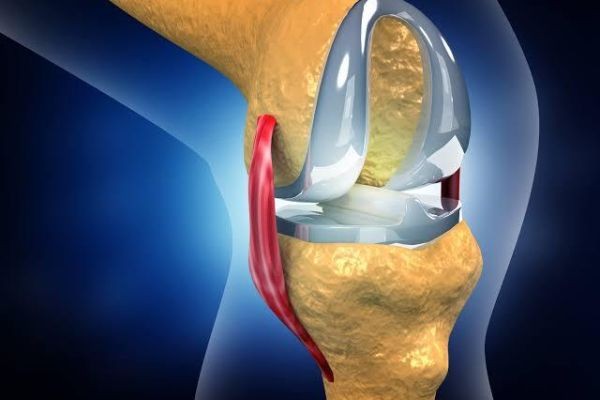
Chronic knee pain can significantly affect your daily life, making simple activities like walking, climbing stairs, or standing for long periods extremely difficult. As knee damage progresses due to arthritis, injury, or age-related wear and tear, the pain often becomes persistent and limits independence. While medications, physical therapy, and lifestyle modifications may provide temporary relief, they may no longer be effective in advanced cases. This is when knee replacement surgery becomes a reliable solution for restoring comfort and mobility.
For individuals considering knee replacement in Islamabad, modern orthopedic surgery offers advanced techniques that replace damaged joint surfaces with durable artificial implants. These procedures are designed to relieve chronic pain, improve joint movement, and help patients return to their normal routines with greater confidence. Under the care of experienced orthopedic specialists, knee replacement has become one of the most successful procedures for treating severe knee arthritis and long-term joint damage.
Understanding Knee Pain and Joint Damage:
The knee is one of the largest and hardest-working joints in the human body. It supports body weight while allowing movement during walking, running, bending, and climbing. Over time, the protective cartilage that cushions the joint can gradually wear away.
Common causes of knee damage include:
- Osteoarthritis
- Rheumatoid arthritis
- Sports injuries
- Ligament tears
- Previous fractures
- Cartilage degeneration
As cartilage disappears, bones begin rubbing directly against each other, causing severe pain, swelling, stiffness, and reduced mobility.
When Is Knee Replacement Surgery Needed?
Not everyone with knee pain requires surgery. Orthopedic surgeons typically recommend non-surgical treatments first, including medications, physical therapy, exercise programs, and weight management.
However, surgery may become necessary when:
- Pain continues despite treatment
- Walking becomes increasingly difficult
- Daily activities are limited
- Knee stiffness worsens
- Sleep is disturbed due to pain
- X-rays reveal advanced joint damage
A detailed medical evaluation helps determine whether knee replacement is the most suitable treatment option.
How Knee Replacement Surgery Relieves Pain:
During knee replacement surgery, damaged cartilage and worn bone surfaces are carefully removed and replaced with artificial components made from metal, ceramic, or high-quality medical-grade plastic.
These implants recreate a smooth joint surface that eliminates bone-on-bone friction—the primary cause of chronic knee pain.
As healing progresses, patients usually experience:
- Significant pain reduction
- Improved flexibility
- Better walking ability
- Increased joint stability
- Greater overall comfort
The primary objective is to restore normal knee function while improving quality of life.
Benefits Beyond Pain Relief:
Pain relief is only one advantage of knee replacement surgery. Many patients experience improvements in nearly every aspect of daily living.
Additional benefits include:
- Improved mobility
- Greater independence
- Better balance
- Increased physical activity
- Easier stair climbing
- Improved sleep quality
- Better overall health
- Enhanced emotional well-being
These improvements allow patients to participate in activities they may have avoided for years because of persistent knee pain.
Modern Surgical Techniques Improve Recovery:
Orthopedic surgery has advanced considerably in recent years. Modern techniques focus on precision, smaller incisions when appropriate, and enhanced recovery protocols that reduce complications and improve healing.
Many hospitals now use advanced surgical planning, improved implant designs, and specialized rehabilitation programs that help patients recover more efficiently while minimizing postoperative discomfort.
These innovations have contributed to higher patient satisfaction and better long-term outcomes.
Rehabilitation After Surgery:
Recovery does not end after the operation. Rehabilitation plays an essential role in restoring strength, flexibility, and knee function.
Most rehabilitation programs include:
- Guided physical therapy
- Walking exercises
- Muscle strengthening
- Flexibility training
- Balance improvement
- Gradual return to daily activities
Patients who actively participate in rehabilitation often recover faster and achieve better long-term mobility.
Managing Pain During Recovery:
Although some discomfort is expected after surgery, modern pain management techniques help patients remain comfortable throughout recovery.
Pain management strategies may include:
- Prescribed medications
- Ice therapy
- Leg elevation
- Gentle stretching exercises
- Walking assistance devices
- Physical therapy sessions
Following your surgeon's instructions carefully helps reduce swelling and supports steady healing.
Long-Term Success of Knee Replacement:
Modern knee implants are designed for excellent durability. With appropriate care, many artificial joints continue functioning well for 15 to 20 years or longer.
To maximize implant lifespan, patients should:
- Maintain a healthy weight
- Stay physically active
- Avoid high-impact sports
- Attend routine follow-up visits
- Continue strengthening exercises
These healthy habits reduce stress on the artificial joint and contribute to long-lasting results.
Who Is a Good Candidate?
Knee replacement surgery is generally recommended for patients experiencing severe knee pain that interferes with daily life despite conservative treatment.
Suitable candidates often include individuals with:
- Advanced osteoarthritis
- Chronic joint pain
- Significant stiffness
- Limited mobility
- Progressive cartilage loss
- Difficulty walking or standing
A comprehensive orthopedic consultation helps determine the most appropriate treatment based on your symptoms, medical history, and imaging results.
Final Thoughts:
Knee replacement surgery has helped millions of people regain mobility and live with significantly less pain. By replacing damaged joint surfaces with durable artificial implants, this procedure restores movement, improves independence, and enhances overall quality of life. Combined with proper rehabilitation and long-term joint care, the results can be life-changing for individuals suffering from chronic knee conditions. If you are exploring advanced orthopedic treatment options, consult the experienced specialists at jj medics hospital to learn more about personalized care and the latest knee replacement techniques.






