
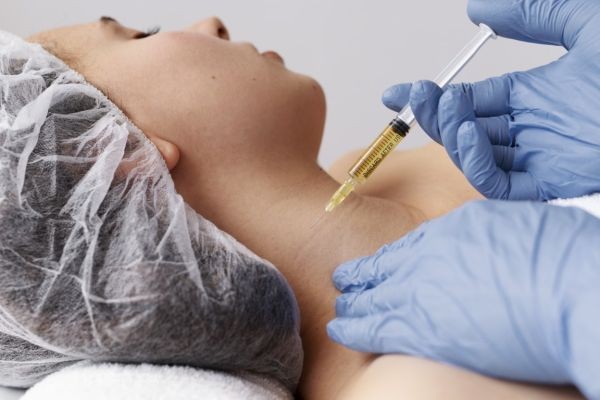
A lipoma is a slow-growing, benign fatty lump that develops under the skin and is usually soft to touch and movable. It is generally harmless, but many people choose to address it due to cosmetic concerns, discomfort, or anxiety about changes in the lump over time. These growths can appear on different parts of the body, including the neck, shoulders, arms, back, and thighs. While lipomas are not cancerous, proper evaluation is important to confirm the diagnosis and rule out other conditions that may resemble them. Modern awareness and healthcare accessibility have made it easier for individuals to explore safe and effective solutions such as Lipoma Treatment in Islamabad which focuses on accurate diagnosis and appropriate management options tailored to patient needs.
Causes and Risk Factors of Lipoma Formation
The exact cause of lipomas is not always clearly understood, but several factors may contribute to their development. Genetics play a significant role, as lipomas often run in families. People with a history of multiple lipomas are more likely to develop new ones over time. Age is another factor, with most cases occurring in middle adulthood. In some situations, minor physical trauma may trigger fat cell growth, although this link is not fully proven. Lifestyle factors are not strongly associated with lipoma formation, which means they can appear even in healthy individuals. Understanding these contributing factors helps patients approach the condition with clarity rather than concern, especially when considering treatment options available in Pakistan.
Symptoms and Identification of Lipoma
Lipomas typically present as soft, doughy lumps beneath the skin that move easily when pressed. They are usually painless, although some may cause discomfort if they press against nerves or grow in sensitive areas. Their size can vary from very small to several centimeters in diameter, and they tend to grow slowly over time. In most cases, they remain stable without causing serious health issues. However, any rapidly growing or painful lump should always be checked by a professional to ensure accurate diagnosis. Visual inspection and physical examination are often enough to identify a lipoma, though imaging tests may sometimes be used for confirmation.
Modern Approaches to Lipoma Management
Treatment for lipomas depends on the size, location, and symptoms experienced by the patient. In many cases, no treatment is required if the lipoma is small and not causing discomfort. However, individuals who prefer removal for cosmetic or physical reasons have several options available. The most common method involves surgical excision, where the entire lump is removed to reduce the chance of recurrence. Another approach includes minimally invasive techniques designed to reduce recovery time and scarring. The choice of method depends on individual evaluation and medical advice. Increasing awareness of Lipoma Treatment in Islamabad has encouraged more people to seek safe and effective solutions that prioritize both health and appearance.
Recovery and Aftercare Considerations
After lipoma removal, recovery is usually straightforward. Most patients can resume normal activities within a short period, depending on the size and location of the removed lipoma. Mild swelling or discomfort may occur temporarily, but it typically improves within a few days. Proper wound care is essential to ensure smooth healing and reduce the risk of infection. Patients are often advised to keep the area clean, avoid unnecessary strain, and follow basic aftercare instructions. In most cases, lipomas do not return after complete removal, although new ones may develop in other areas of the body due to underlying predisposition.
Psychological and Cosmetic Impact of Lipomas
Although lipomas are medically harmless, they can have a psychological and cosmetic impact on individuals. Visible lumps, especially on exposed areas like the arms or neck, may affect self-confidence and body image. This is one reason many people choose removal even when there is no physical discomfort. Addressing these concerns can significantly improve emotional well-being and personal comfort. Awareness and access to treatment options help patients make informed decisions that align with their lifestyle and aesthetic preferences.
When to Seek Medical Attention
It is advisable to seek evaluation if a lump grows rapidly, becomes painful, feels hard, or shows unusual changes in shape or texture. While most lipomas are harmless, professional assessment ensures accurate diagnosis and peace of mind. Early consultation can also help rule out other rare conditions that may require different management approaches. Timely attention ensures better outcomes and reduces unnecessary worry.
FAQs
What is a lipoma?
A lipoma is a benign fatty growth that forms under the skin and is usually soft, painless, and slow-growing.
Is lipoma dangerous?
No, lipomas are generally harmless and non-cancerous, but they should still be evaluated to confirm the diagnosis.
Can a lipoma go away on its own?
Lipomas usually do not disappear without treatment and may remain stable or grow slowly over time.
What is the best treatment for lipoma?
The most effective treatment is complete removal, especially if the lipoma causes discomfort or cosmetic concerns.
Can lipomas come back after removal?
Once fully removed, the same lipoma rarely returns, but new ones may develop in other areas.






