
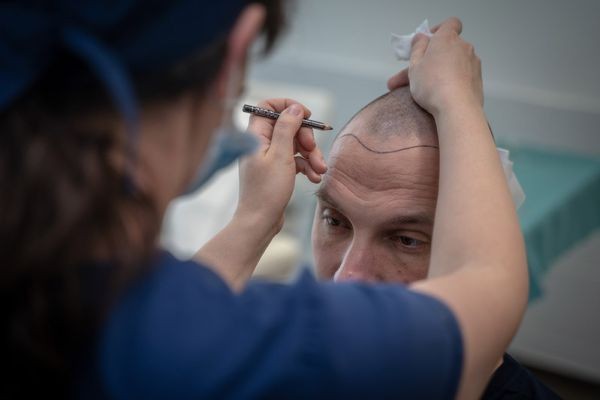
The Hair Transplant cost in Islamabad can vary significantly between male and female patients due to differences in hair loss patterns, treatment approaches, and surgical complexity. In 2026, hair transplant procedures have become more advanced and tailored, but gender-specific factors still play an important role in determining the overall cost. Understanding these differences can help patients make informed decisions and plan their treatment more effectively.
Understanding Hair Loss Patterns in Men and Women
One of the main reasons for cost variation is the difference in hair loss patterns.
Male Hair Loss
Men typically experience pattern baldness, which includes:
- Receding hairline
- Thinning crown
- Complete bald patches
This type of hair loss often requires a larger number of grafts, especially in advanced stages.
Female Hair Loss
Women usually experience:
- Diffuse thinning across the scalp
- Widening of the hair part
- Reduced overall density rather than complete baldness
Because of these differences, the treatment approach and cost can vary.
Graft Requirement Differences
The number of grafts required is a key factor in determining cost.
- Men: Often require higher graft counts (2000–5000+) due to larger bald areas
- Women: Usually need fewer grafts (1000–3000) but may require even distribution for density
Although men may need more grafts, female procedures can sometimes be equally complex due to precision requirements.
Technique Selection and Its Impact on Cost
Different techniques are used depending on gender and hair loss type.
For Men
- FUE is commonly used for hairline and crown restoration
- FUT may be used for large graft sessions
- DHI is chosen for precision hairline work
For Women
- FUE is preferred to avoid visible scarring
- DHI is often used for density enhancement without shaving the head
Female procedures may require more delicate handling, which can influence cost despite fewer grafts.
Surgical Complexity
Cost differences are also influenced by the complexity of the procedure.
Male Procedures
- Larger coverage areas
- More grafts required
- Longer surgical sessions
Female Procedures
- Requires working between existing hair
- Minimal or no shaving in many cases
- Higher precision to maintain natural density
This means that even with fewer grafts, female hair transplants can be technically more demanding.
Shaving Requirements and Cost Impact
In many male procedures, shaving the donor and recipient area is standard practice, which simplifies the process.
In contrast, female patients often prefer:
- Partial shaving or no shaving
- More careful extraction and implantation
This increases the time and effort required, which may affect overall cost.
Surgeon Expertise and Specialization
Hair transplant for women often requires a surgeon with specialized expertise.
- Designing natural density without disturbing existing hair
- Maintaining proper angle and direction
- Avoiding damage to surrounding follicles
Because of this precision work, female procedures may sometimes cost similar to or slightly higher than male procedures despite fewer grafts.
Cost Comparison Overview
Here is a general comparison:
- Male Hair Transplant
- Higher graft requirement
- Larger bald areas
- Cost driven by quantity of grafts
- Female Hair Transplant
- Lower graft count
- Higher precision required
- Cost influenced by complexity rather than volume
This shows that cost differences are not always straightforward and depend on multiple factors.
Additional Cost Factors
Other elements that influence cost for both men and women include:
- Clinic reputation
- Technology used
- Experience of the surgeon
- Post-treatment care
- Number of sessions required
These factors can affect pricing regardless of gender.
Is Hair Transplant Worth It for Both Genders?
Yes, hair transplant is a valuable solution for both men and women.
Benefits for Men
- Restores hairline and crown
- Covers bald patches
- Provides permanent results
Benefits for Women
- Improves overall hair density
- Enhances appearance without drastic changes
- Maintains natural look
In both cases, the long-term results make the procedure a worthwhile investment.
Choosing the Right Approach
Patients should not focus only on gender-based cost differences but rather on:
- Individual hair loss condition
- Recommended technique
- Surgeon experience
- Expected results
A personalized consultation is essential to determine the most suitable treatment plan.
Long-Term Value of Hair Transplant
Regardless of gender, hair transplant offers permanent results. Once transplanted, hair continues to grow naturally, reducing the need for ongoing treatments.
This makes it a cost-effective solution over time compared to temporary alternatives.
FAQs
1. Is hair transplant more expensive for men or women?
It depends on the case. Men may pay more due to higher graft count, while women may pay similar costs due to procedure complexity.
2. Why do men need more grafts?
Men often experience larger bald areas, requiring more grafts for full coverage.
3. Why can female hair transplant be complex?
Because it involves working around existing hair and maintaining natural density without shaving.
4. Which technique is best for women?
FUE and DHI are commonly used, especially when minimal shaving is required.
5. Is the result permanent for both men and women?
Yes, transplanted hair is generally permanent and grows naturally over time.
Final Thoughts
Male and female hair transplant costs differ due to variations in hair loss patterns, graft requirements, and surgical complexity. While men often require more grafts, female procedures demand higher precision, making cost differences more balanced than expected. Understanding these factors helps patients choose the right treatment plan based on their individual needs rather than assumptions.
For expert consultation and personalized hair restoration solutions, SKN Cosmetics offers advanced procedures for both men and women using modern techniques and experienced specialists. Learn more here: SKN Cosmetics






