
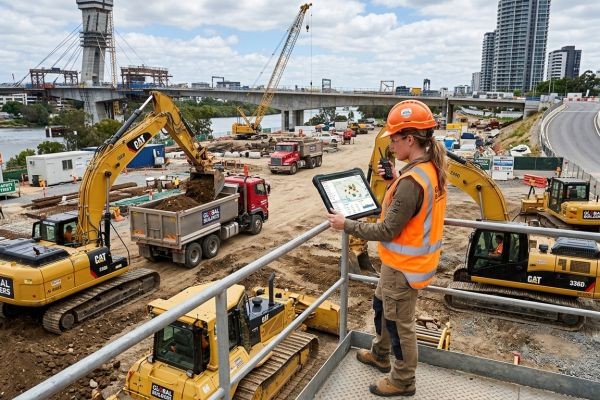
Heavy equipment is the backbone of every construction project. Excavators, bulldozers, loaders, cranes, graders, and other specialized machines perform the demanding tasks that keep projects moving from start to finish. However, simply owning quality equipment does not guarantee successful project outcomes. The way equipment is planned, allocated, maintained, and monitored has a direct impact on productivity, operating costs, and project timelines.
As construction companies manage larger fleets and multiple jobsites, equipment management has become more challenging. Manual records, spreadsheets, and disconnected processes often make it difficult to know where equipment is located, how efficiently it is being used, or when it requires maintenance. To improve operational control, many contractors are adopting construction equipment management software to organize equipment information, streamline planning, and support better decision-making throughout the equipment lifecycle.
Why Efficient Equipment Management Matters
Construction equipment represents one of the largest investments for any contractor. Every machine that sits idle, breaks down unexpectedly, or is assigned inefficiently affects both productivity and profitability.
Poor equipment management can lead to:
- Project delays
- Underutilized machinery
- Increased operating costs
- Unnecessary equipment rentals
- Missed maintenance schedules
- Lower workforce productivity
Managing equipment efficiently ensures that valuable assets continue contributing to project success instead of creating operational challenges.
Planning Equipment Before the Project Begins
Successful equipment management starts long before work begins on the jobsite.
Project managers must determine:
- What equipment is required
- When each machine will be needed
- How long equipment will remain on-site
- Whether existing equipment can be reassigned
- If additional rentals are necessary
Careful planning reduces scheduling conflicts and helps ensure equipment is available exactly when construction activities begin.
Equipment Visibility Improves Daily Operations
One of the biggest challenges contractors face is maintaining accurate information about equipment across multiple locations.
Project teams need quick answers to questions such as:
- Which machines are available?
- Where is each asset currently located?
- Which equipment is already assigned?
- Which machines require maintenance?
- Which assets are underutilized?
Having accurate information allows managers to allocate equipment efficiently while avoiding unnecessary delays. Better visibility also reduces time spent searching for equipment and improves communication between office staff and field teams.
Maximizing Equipment Utilization
Heavy equipment is most valuable when it is actively supporting productive work.
Unfortunately, many contractors unknowingly own equipment that remains idle for extended periods while other projects require additional resources. Effective equipment management helps organizations:
Reduce Idle Time
Unused equipment can be reassigned to projects where demand is higher.
Improve Equipment Allocation
Project managers can distribute equipment according to actual project requirements instead of estimates.
Reduce Rental Costs
Before renting additional machinery, contractors can determine whether existing fleet assets are available.
Higher utilization improves return on investment while reducing unnecessary operating expenses.
Maintenance Is a Critical Part of Equipment Management
Reliable equipment depends on consistent maintenance. Unexpected breakdowns not only increase repair costs but also interrupt project schedules and reduce workforce productivity.
Many contractors rely on construction equipment management software to organize maintenance schedules, monitor service history, and improve coordination between operations and maintenance teams.
Proactive maintenance helps:
- Reduce unexpected failures
- Improve equipment reliability
- Extend equipment lifespan
- Lower repair costs
- Increase equipment availability
Well-maintained equipment contributes directly to smoother project execution.
Data Supports Better Equipment Decisions
Modern construction businesses generate valuable operational data every day.
Equipment information such as operating hours, utilization rates, maintenance history, idle time, and project assignments provides important insights into overall fleet performance.
Analyzing this information helps contractors answer questions such as:
- Which equipment delivers the highest utilization?
- Which assets require replacement?
- Where are operating costs increasing?
- Which projects require additional resources?
- How can equipment deployment be improved?
Data-driven decision-making allows contractors to improve efficiency while reducing unnecessary expenses.
Better Communication Leads to Better Equipment Management
Managing equipment involves coordination between project managers, equipment coordinators, operators, maintenance technicians, and office staff.
When communication is inconsistent, scheduling conflicts and equipment shortages become more common.
Organized equipment management improves collaboration by ensuring everyone works from accurate and up-to-date information.
Better communication helps projects remain productive while reducing avoidable delays.
Technology Is Transforming Equipment Management
The construction industry is rapidly adopting digital technologies that improve operational efficiency.
Today's equipment management strategies increasingly incorporate:
- GPS tracking
- Cloud-based management platforms
- Internet of Things (IoT) connectivity
- Artificial intelligence (AI)
- Predictive maintenance
- Equipment performance analytics
These technologies provide contractors with greater visibility into equipment performance while supporting faster, more informed operational decisions.
As projects continue to grow in complexity, connected equipment management is becoming an essential part of successful construction operations.
Best Practices for Managing Heavy Equipment Efficiently
Technology delivers the greatest value when combined with disciplined management practices.
Construction companies can improve equipment performance by:
- Maintaining accurate equipment records
- Planning equipment assignments in advance
- Reviewing utilization regularly
- Scheduling preventive maintenance
- Monitoring equipment performance
- Improving communication between office and field teams
These practices help maximize equipment availability while reducing operational inefficiencies.
Why Efficient Equipment Management Creates a Competitive Advantage
Construction companies that manage equipment effectively are better prepared to deliver projects on time and within budget.
Efficient equipment management helps businesses:
- Increase productivity
- Improve equipment utilization
- Reduce operating costs
- Strengthen maintenance planning
- Support better project scheduling
- Protect long-term equipment investments
Rather than reacting to equipment shortages or unexpected failures, contractors can make proactive decisions that improve both project performance and business profitability.
Conclusion
Heavy equipment is one of the most valuable resources on any construction project, and managing it efficiently is essential for maintaining productivity, controlling costs, and meeting project deadlines. As fleets expand and construction operations become more complex, organized equipment management has become a key driver of business success.
By implementing construction equipment management software, contractors can improve equipment planning, increase utilization, support preventive maintenance, and make better decisions using accurate operational data. Combined with strong management practices, an organized approach to equipment management helps construction companies maximize the value of every machine while delivering safer, more efficient, and more profitable projects.l






