
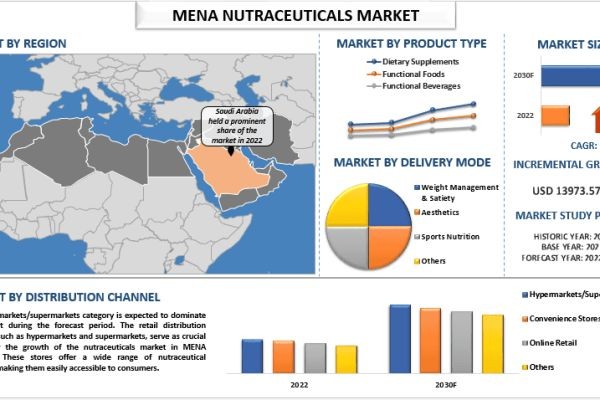
According to the Universal Data Solutions, the growing awareness of organic food in the region will drive the scenario of nutraceuticals and as per their “MENA Nutraceuticals Market” report, the MENA market was valued at USD 13973.57 million in 2022, growing at a CAGR of 7.1% during the forecast period from 2023 - 2030 to reach USD million by 2030.
The MENA region is witnessing a remarkable transformation in its approach to health and wellness. As the importance of preventive healthcare gains prominence, nutraceuticals have taken center stage in the quest for healthier living. With an evolving awareness of the positive impact of these products, the MENA countries are experiencing a surge in the nutraceuticals market. One of the key trends in the MENA nutraceutical market is the diverse range of dietary preferences and the fusion of traditional and modern health solutions. Consumers are seeking nutraceutical products that align with their cultural backgrounds, leading to an increase in functional foods and supplements infused with local ingredients. Products like date-based energy bars, saffron supplements, and herbal blends reminiscent of traditional remedies have gained popularity. This trend reflects the region's rich culinary heritage and the desire to fuse it with contemporary health consciousness.
The nutraceuticals market in MENA countries is also growing due to the increasing population and urbanization in the region. As the population grows, there is a greater demand for convenient and healthy food options for infants and young children. With the increasing urbanization, there is also a growing middle class in the region, which is driving demand for premium and organic products, including nutraceuticals. This growing middle class is willing to pay a premium for high-quality, healthy, and organic food options for their children, which is contributing to the growth of the nutraceuticals market in the MENA region.
Access sample report (including graphs, charts, and figures) - https://univdatos.com/reports/mena-nutraceuticals-market?popup=report-enquiry
Government Initiatives Promoting Health:
Several MENA countries are actively promoting health and wellness through government-led initiatives. For instance, the United Arab Emirates (UAE) "National Nutrition Agenda" aims to reduce obesity and lifestyle-related diseases by encouraging healthier dietary choices, including nutraceuticals. Such initiatives encourage the consumption of nutraceutical products and pave the way for public-private partnerships in the sector, ensuring safer and more accessible products for consumers.
E-commerce and Online Retail Flourishing:
The convenience of online retail has taken the MENA nutraceutical market by storm. With high smartphone penetration, consumers can now access a wide array of nutraceutical products with just a few clicks. Online retail platforms provide an extensive selection of dietary supplements, vitamins, functional foods, and more. The ability to compare products, read reviews, and enjoy doorstep delivery has made online shopping an attractive option for MENA consumers. This trend has accelerated the growth of the nutraceutical industry, reaching consumers in urban and rural areas alike.
Targeted Nutraceuticals for Chronic Diseases:
The MENA region faces a growing burden of lifestyle-related diseases, such as diabetes and cardiovascular conditions. In response to this, there is a surge in the demand for nutraceutical products designed to address these specific health concerns. Supplements and functional foods that aid in managing blood sugar levels, cholesterol, and weight are gaining popularity. Consumers are increasingly turning to these targeted nutraceuticals to complement their healthcare regimens, thereby contributing to a healthier and more fulfilling life.
Collaborations with Local Health Authorities:
Nutraceutical companies in MENA countries are actively collaborating with local health authorities to ensure product safety and effectiveness. These partnerships aim to enhance consumer trust by aligning with the recommendations of medical professionals. Such collaborations also assist in generating awareness about the benefits of nutraceuticals among healthcare providers, who can then recommend these products to their patients as a complementary healthcare approach.
Conclusion
The nutraceutical industry in MENA countries is undergoing a significant transformation, driven by diverse dietary preferences, government initiatives, the growth of e-commerce, and an increasing focus on health and wellness. As consumers become more proactive in managing their health and embracing preventative healthcare, the demand for nutraceuticals continues to rise. The industry is responding with innovation, customization, and an emphasis on product safety and quality, aligning with the region's unique cultural and health needs. With these emerging trends, the nutraceutical market in MENA countries is poised for sustained growth, offering a brighter and healthier future for the region's populations.
Contact Us:
Email- contact@univdatos.com
Website- www.univdatos.com






