
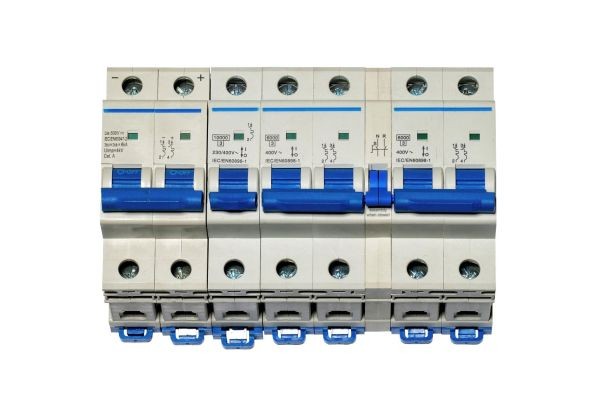
Electricity powers everything around us, but it also comes with risks if not managed properly. That’s where circuit breakers play a critical role. Whether in homes, offices, or industrial setups, these devices ensure safety by preventing electrical damage and hazards. Among them, the miniature circuit breaker is one of the most widely used and reliable solutions for modern electrical systems.
In this guide, you’ll learn how circuit breakers work, the different circuit breakers types, and why a miniature circuit breaker is essential for safe and efficient power distribution.
What is an Electrical Circuit Breaker?
An electrical circuit breaker is a safety device designed to automatically stop the flow of electricity when a fault occurs. These faults may include overloads, short circuits, or wiring issues. Instead of allowing wires to overheat or equipment to get damaged, the breaker interrupts the current and protects the system.
Unlike traditional fuses, which need replacement after a fault, circuit breakers can be reset and reused. This makes them more convenient, cost-effective, and reliable over time.
Why Circuit Breakers Are Important
Electricity is essential, but uncontrolled electrical flow can lead to serious problems such as fires, equipment failure, and safety hazards. Circuit breakers act as the first line of defense.
Here’s why they matter:
- Prevent overheating of wires
- Protect appliances from damage
- Reduce the risk of electrical fires
- Ensure stable and controlled power distribution
- Provide quick fault detection and isolation
Without proper circuit protection, even a small electrical fault can escalate into a major issue.
What is a Miniature Circuit Breaker?
A miniature circuit breaker is a compact, automatic switch used to protect low-voltage electrical circuits. It is commonly installed in residential and small commercial environments to safeguard wiring and devices.
Unlike older fuse systems, a miniature circuit breaker detects faults instantly and cuts off the current. Once the issue is resolved, it can be easily reset without replacing any components.
Key Features of a Miniature Circuit Breaker
- Automatic operation during faults
- Compact size suitable for modern panels
- Quick response time
- Reusable without replacement
- Reliable protection for household circuits
Because of these features, miniature circuit breakers have become the standard choice for modern electrical installations.
How a Miniature Circuit Breaker Works
The working principle of a miniature circuit breaker is based on two mechanisms: thermal and magnetic operation.
- Thermal Protection: When there is an overload, the current generates heat. This heat bends a bimetallic strip inside the breaker, triggering it to trip and disconnect the circuit.
- Magnetic Protection: In the case of a short circuit, a sudden surge in current creates a magnetic field that instantly trips the breaker.
This dual protection ensures both slow and sudden faults are handled efficiently.
Common Circuit Breakers Types
There are several circuit breakers types designed for different applications. Understanding them helps in choosing the right one for your needs.
1. Miniature Circuit Breaker (MCB)
Used in residential and light commercial applications. Ideal for protecting lighting systems and small appliances.
2. Molded Case Circuit Breaker (MCCB)
Designed for higher current ratings. Commonly used in industrial settings where larger loads are involved.
3. Air Circuit Breaker (ACB)
Used in large electrical systems, often found in industries and power distribution networks.
4. Vacuum Circuit Breaker (VCB)
Typically used in medium-voltage applications. It offers reliable arc extinguishing in a vacuum environment.
5. Oil Circuit Breaker
An older technology where oil is used as an insulating medium. Less common today but still found in some setups.
Each type serves a specific purpose, but for everyday use, the miniature circuit breaker remains the most practical option.
Applications of Miniature Circuit Breakers
The versatility of a miniature circuit breaker makes it suitable for various environments.
Residential Use
In homes, MCBs protect lighting circuits, air conditioners, refrigerators, and other appliances. They ensure safe operation and prevent electrical hazards.
Commercial Spaces
Offices, shops, and small businesses rely on MCBs for stable and uninterrupted power supply.
Industrial Use
While larger systems use advanced breakers, MCBs are still used for smaller control panels and auxiliary circuits.
Advantages of Using Miniature Circuit Breakers
Choosing a miniature circuit breaker offers several benefits over traditional protection systems.
1. Improved Safety
MCBs respond quickly to faults, reducing the chances of damage or fire.
2. Ease of Use
They can be reset easily after a trip, unlike fuses that require replacement.
3. Long Lifespan
MCBs are durable and designed for repeated use without performance loss.
4. Cost Efficiency
Though slightly higher in initial cost, they save money in the long run due to reusability.
5. Compact Design
They fit neatly into modern distribution boards, making installations clean and organized.
How to Choose the Right Circuit Breaker
Selecting the right electrical circuit breaker depends on several factors:
- Current Rating: Ensure it matches your load requirements
- Voltage Rating: Choose according to your system voltage
- Breaking Capacity: Important for handling fault currents
- Application Type: Residential, commercial, or industrial use
- Quality and Certification: Always choose certified and reliable products
For most homes and small setups, a miniature circuit breaker is sufficient and efficient.
Maintenance and Safety Tips
Even though circuit breakers are reliable, proper maintenance ensures long-term performance.
- Regularly inspect the panel for signs of wear
- Avoid overloading circuits
- Ensure proper installation by professionals
- Replace faulty breakers immediately
- Keep the distribution board clean and dry
Following these steps will help maintain a safe electrical environment.
Future of Circuit Breakers
With advancements in technology, circuit breakers are becoming smarter. Modern systems now include smart breakers that can monitor energy usage, detect faults remotely, and integrate with home automation systems.
Despite these innovations, the miniature circuit breaker continues to remain a core component due to its simplicity, reliability, and effectiveness.
Conclusion
A well-designed electrical system is incomplete without proper protection, and circuit breakers are at the heart of that safety. From preventing overloads to minimizing fire risks, they play an essential role in both residential and commercial environments.
Among all circuit breakers types, the miniature circuit breaker stands out as the most practical and widely used solution. Its compact design, quick response, and ease of use make it ideal for everyday applications.
Choosing the right electrical circuit breaker not only protects your appliances but also ensures the safety of your property and loved ones. Investing in high-quality breakers and maintaining them properly will give you long-term peace of mind and reliable performance.






