
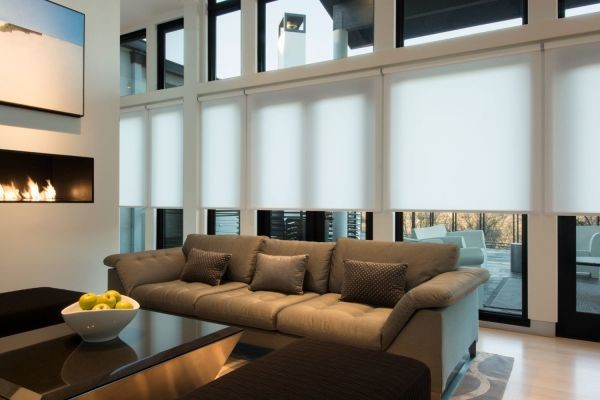
Motorized shades installation has become a practical upgrade that transforms how occupants interact with daylight, privacy, and building energy dynamics, and professional installations deliver the reliability and control most homeowners expect. When choosing a motorized shading partner or planning a DIY-friendly install, a successful project begins with careful measurement, thoughtful control integration, and an understanding of how shades interact with daylight, HVAC, and occupant routines. The decision to automate window coverings yields immediate lifestyle benefits when executed with attention to shading geometry, fabric selection, motorization strategy, and system commissioning.
Why Motorized Shades Are More Than Convenience
Motorized shades are often purchased for the convenience of one-touch or scheduled control, but their value runs deeper. Shades influence thermal loads by limiting solar heat gain during hot periods and by harvesting passive solar warmth in cooler months. They reduce glare to preserve screen readability and protect interior finishes, and they can dramatically improve privacy without sacrificing daylight when semi-translucent fabrics are used. In multi-window installations, motorization ensures consistent operation across the whole façade which manual shades rarely achieve; this consistency is often the difference between an elegant, functioning design and a room where coverings are rarely used.
Initial Survey And Site Considerations
A successful motorized shades installation begins with a precise on-site survey. Measure window openings carefully, noting frame reveals, mullions, and any obstructions such as handles or vents. Record the window orientation, local solar angles, and any nearby reflective surfaces that could increase thermal gain or glare. Also document existing control wiring, conduit locations, and routing for low-voltage or power connections. For retrofit situations, understand the wall and trim conditions to plan for mounting options that are reversible for renters or minimally invasive for historic facades.
Choosing The Right Shade Type And Fabric
Shade type and fabric selection dictate both performance and character. Roller shades provide a sleek profile and are ideal for larger expanses, while cellular (honeycomb) shades offer superior insulation through trapped air pockets. Sheer shades balance daylight diffusion and view preservation. Blackout fabrics are essential for dedicated media rooms or bedrooms requiring complete light control. Fabric openness, color, and reflectance impact both the amount of daylight transmitted and the thermal performance; light-colored, reflective fabrics reduce solar heat gain while darker fabrics improve blackout capability. Consider the visual appearance when lowered as well as stack height and fabric maintenance for the long term.
Motor Technologies And Power Options
Motors for shades come in different formats, including built-in tubular motors, retrofit battery motors, and wired motors requiring line voltage or low voltage. Battery-powered motors simplify installation by eliminating conduit runs, but battery maintenance and replacement cycles must be part of the operational plan. Rechargeable battery systems that dock for charging or solar-assisted trickle charging can reduce maintenance overhead. Wired motors supply continuous power and are generally preferred for commercial installations or large families who want maintenance-free operation. Low-voltage DC motors provide a middle ground offering simpler wiring and compatibility with certain control systems.
Controls And Integration Approaches
Control strategy is a defining aspect of a motorized shades installation. Basic local controls allow up/down/stop functions at each window while centralized control integrates shades into scenes, schedules, and building automation. Integration with lighting, HVAC, and occupancy sensors can yield energy synergies; shades can lower when occupancy is low or when solar gain would cause HVAC inefficiency. For smart homes, protocols such as Z-Wave, Zigbee, Lutron Clear Connect, and IP-based control via PoE or dedicated gateways allow shades to participate in broader automations. Choose a control approach that balances local reliability with desired remote and scheduled capabilities.
Safety, Codes, And Childproofing
Cordless and motorized solutions improve child and pet safety by removing hazardous cords from reach. For battery or wired motors, ensure devices comply with local regulations regarding egress and emergency operation. In commercial settings, shades that influence exit signage or lighting must retain manual override options for safety compliance. Implement accessible manual override mechanisms that are intuitive and unobtrusive, and document emergency procedures so occupants can operate shades during power outages or network outages.
Mounting Options And Aesthetics
Mounting options include inside mount, outside mount, and pocket installations for concealed installations. Inside mount preserves window detail but requires accurate fit and may limit maximum fabric sizes. Outside mount provides visual continuity and can mask imperfect window geometry. Pocket installations hide the shade entirely when raised, creating a clean aesthetic. Consider header depth, soffit construction, and trim when choosing mount style, and plan for headbox or fascia options when a refined visual finish is desired.
Electrical Planning And Wiring Best Practices
For hardwired installations plan conduit routes and dedicated circuits to prevent interference with low-voltage controls. Keep motor power runs separate from noisy loads and use appropriately sized wire to minimize voltage drop for long runs. For systems using distributed control processors, centralize power supplies and provide surge protection. Label wiring clearly and leave service loops for future motor replacement. In retrofit installations, consider using junction boxes or in-wall low-voltage power modules to maintain a clean aesthetic while allowing for service access.
Automation Strategies For Energy And Comfort
Automation strategies amplify the value of motorized shades. Schedules that coordinate with solar angles prevent excessive daytime heat gain while maintaining daylighting for occupant comfort. Occupancy-based strategies keep shades open during active hours and closed for privacy at night. Sun-tracking automations use astronomical clocks and local orientation to move shades precisely at sunrise and sunset and to respond to transient glare conditions. For homes with photovoltaic systems, shading strategies can be synchronized with solar production to maximize self-consumption by drawing shades to reduce cooling when solar generation is low and opening them when generation is high enough to offset increased HVAC loads.
Commissioning And Tuning For Real-World Use
Commissioning is crucial and often overlooked. Calibrate limit stops so fabric stacks precisely and avoids rubbing against casing or handles. Tune travel speed to create consistent, pleasant motion across multiple shades and to avoid mechanical stress. Program soft-start and soft-stop if supported by the motor to extend lifetime and to enhance perceived quality. Verify integration points such that a lighting scene or an “Away” mode consistently aligns shade positions with other building systems. Provide occupant training at handover that explains scene logic, battery maintenance schedules (if any), and manual override procedures.
Maintenance, Troubleshooting, And Lifecycle Costs
Long-term reliability comes from a maintenance plan. For battery motors, schedule battery checks and replacements and consider rechargeable or solar-assist to minimize ongoing costs. For wired systems, inspect mechanical mounts and verify limit integrity annually. Keep firmware updated for networked motors and document motor model numbers and wiring diagrams for future technicians. Factor in potential replacement cycles for fabrics and motors when budgeting; well-installed systems tend to last many years, but planning for eventual motor or fabric replacement avoids surprises.
Retrofitting Versus New Construction Approaches
Retrofit projects must contend with existing trim, limited access, and minimal willingness to rework finishes. Battery or solar-assisted motors often make retrofit economically and logistically sensible. New construction allows for prewiring, integrated pocketing, and concealed routing for power and control cabling. When possible in new builds, plan soffits, headboxes, and dedicated low-voltage chases to allow for clean installations and to hide control hardware, delivering the most refined end result.
Acoustic And Thermal Considerations
Shades affect room acoustics and thermal comfort. Heavy fabrics and layered constructions add mid-to-high frequency absorption and can reduce reflections in rooms with hard surfaces, improving speech intelligibility. Cellular constructions offer thermal breaks that can reduce conductive heat loss in colder climates and reduce solar gain in warmer climates. Consider combined acoustic and thermal performance when specifying fabrics for dedicated media rooms or environments where both temperature control and sound quality matter.
Designing For Large Or Complex Façades
Large facades or irregular window banks present challenges for consistent operation. Grouping strategies and motor zoning allow multiple shades to move together to reduce scene complexity and to lower wiring demands. For huge expanses consider centralized motors with belt or linkage systems only when aesthetics and structural considerations justify them. Software zoning during commissioning ensures a uniform appearance and reduces the risk of uneven fabric stacks across long runs.
Integration With Smart Home And Facility Management Systems
For residential smart homes, integrate motorized shades into scenes that include lighting and HVAC behavior to achieve a cohesive occupant experience. For commercial facilities consider integration with building management systems to coordinate shading with occupancy schedules and HVAC strategies. Provide API or gateway documentation if third-party integration is anticipated, and ensure fallback local control for critical operations when network connectivity is disrupted.
Selecting A Vendor Or Installer
Choose an installer with experience in both shading mechanics and integration. Look for installers who provide detailed surveys, mockups of shade stack heights, sample fabrics in-situ, and a clear plan for cabling and control. Verify references, request examples of previous installs with similar window types, and confirm warranty terms for motors and fabrics. A reputable installer will also provide commissioning, documentation, and a follow-up window for adjustments after a few weeks of occupant use.
Case Studies And Real-World Outcomes
Residential projects often yield dramatic improvements in daytime comfort by addressing solar gain peaks with coordinated shading, while commercial projects demonstrate measurable energy savings when shading is coupled to HVAC and daylighting control strategies. In one urban apartment example, motorized roller shades with high-reflectance facades reduced peak cooling loads during summer afternoons, enabling smaller HVAC equipment and improving occupant comfort. In a corporate office, automated exterior shades reduced glare in meeting rooms and reduced reliance on cooling during shoulder seasons, showing how motorized shading solves both comfort and operational challenges.
Sustainability And Lifecycle Impacts
When specified with durable fabrics and long-life motor options, motorized shade installations can outlast many other interior upgrades. Selecting recyclable or low-impact fabric options and specifying energy-efficient motors with low standby consumption improves the environmental profile of the installation. Consider end-of-life plans for motor recycling and fabric disposal as part of a responsible procurement strategy.
Final Thoughts On Motorized Shades Installation
Motorized shades installation is a multidisciplinary endeavor that combines mechanical design, electrical planning, and control logic. Done well, motorized shades improve daily life, reduce energy use, manage glare, and preserve privacy with elegance. Approach projects with careful surveys, prioritized control strategies, and professional commissioning to unlock the full value of shaded automation. Whether retrofitting an existing window or specifying for new construction, clarity in design and attention to maintenance make motorized shades a long-lasting and impactful upgrade.






