
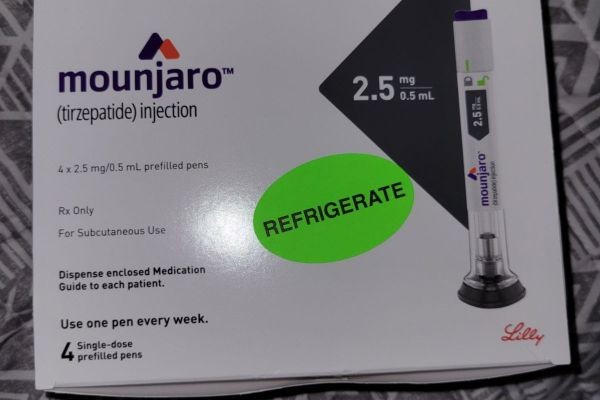
Patient safety represents the foundation of responsible medical practice. Before prescribing any medication, thorough evaluation determines whether potential benefits outweigh risks for each individual. When considering Mounjaro in Dubai [https://tajmeels.ae/en/cosmetic-injectables/mouanjaro-injection-in-dubai/], understanding medical eligibility criteria and comprehensive safety information enables informed participation in treatment decisions. Not everyone qualifies for this medication, and recognizing contraindications protects patient wellbeing.
This article provides detailed medical eligibility requirements and safety considerations essential for appropriate treatment candidacy.
Understanding Medical vs. Cosmetic Treatment Candidacy
Distinguishing between medically appropriate treatment and cosmetic desire is fundamental. Mounjaro in Dubai prescribing follows medical necessity criteria, not aesthetic preferences alone.
Medical treatment criteria:
Tirzepatide is FDA-approved and medically indicated for:
-
Chronic weight management in adults with:
- BMI ≥30 kg/m² (obesity), OR
- BMI ≥27 kg/m² (overweight) with at least one weight-related comorbidity
-
Type 2 diabetes management (separate indication)
Weight-related comorbidities include:
- Hypertension (high blood pressure)
- Type 2 diabetes or prediabetes
- Dyslipidemia (abnormal cholesterol)
- Obstructive sleep apnea
- Cardiovascular disease
- Non-alcoholic fatty liver disease (NAFLD)
In our clinical experience, treatment appropriateness requires documented medical indication, not simply patient desire for weight loss.
Not appropriate candidates:
- Normal weight individuals seeking cosmetic enhancement
- Those without documented lifestyle modification attempts
- Patients seeking rapid weight loss for events
- Individuals with unrealistic expectations of effortless results
Absolute Contraindications: When Treatment Is Not Safe
Certain medical conditions make tirzepatide use unsafe regardless of potential benefits. Mounjaro in Dubai prescribing requires screening for absolute contraindications.
Medical History Red Flags
Thyroid concerns:
- Personal history of medullary thyroid carcinoma (MTC)
- Family history of MTC in first-degree relatives
- Multiple endocrine neoplasia syndrome type 2 (MEN 2)
Rationale: Animal studies showed thyroid C-cell tumors at high doses. While not observed in human studies, caution mandates avoiding use in high-risk patients.
Hypersensitivity:
- Known serious hypersensitivity to tirzepatide or any component
- Previous severe allergic reaction to similar medications
Pregnancy and lactation:
- Current pregnancy
- Planning pregnancy in near term
- Breastfeeding
Rationale: Insufficient safety data in pregnancy; potential for fetal harm. Discontinue at least 2 months before planned conception.
What patients typically report during comprehensive screening is appreciation that safety is prioritized over simply providing requested medication.
Relative Contraindications: Conditions Requiring Careful Evaluation
Some medical conditions don't absolutely prohibit use but require enhanced caution and monitoring. Mounjaro in Dubai treatment in these situations demands expert judgment.
Conditions Requiring Special Consideration
| Condition | Concern | Management Approach |
|---|---|---|
| History of pancreatitis | Potential recurrence risk | Careful risk-benefit analysis, close monitoring |
| Severe gastroparesis | Could worsen gastric emptying | Usually avoided; alternatives preferred |
| Diabetic retinopathy | Rapid glucose improvement may temporarily worsen | Ophthalmology monitoring, gradual titration |
| Chronic kidney disease | Dehydration risk from GI effects | Enhanced hydration emphasis, kidney function monitoring |
| History of gallstones | Rapid weight loss increases risk | Monitor symptoms, consider prophylaxis if very high risk |
| Active eating disorder | May worsen disordered patterns | Psychiatric stabilization first, concurrent mental health care |
| Severe liver disease | Limited safety data | Case-by-case evaluation, close monitoring |
Clinical judgment considerations:
- Severity of condition
- Stability of management
- Availability of alternatives
- Patient understanding and monitoring capability
- Risk-benefit ratio for specific individual
In our clinical experience, many patients with relative contraindications can be safely treated with appropriate precautions, while others are better served by alternative approaches.
Age Considerations: Pediatric and Geriatric Populations
Age-specific factors influence both eligibility and treatment approach. Mounjaro in Dubai use varies across age groups.
Pediatric Patients (Under 18)
Current status:
- Not FDA-approved for pediatric use
- Limited safety and efficacy data in children/adolescents
- Clinical trials in adolescents ongoing
Exceptions:
- May be considered off-label in specific circumstances
- Requires pediatric endocrinology expertise
- Extensive counseling and monitoring essential
Geriatric Patients (65+)
Special considerations:
- No specific age-related contraindications
- May require more conservative dosing
- Enhanced monitoring for dehydration
- Greater medication interaction potential
- Comorbidity considerations
- Kidney function often decreased
Approach modifications:
- More gradual titration schedule
- Lower target doses sometimes appropriate
- Enhanced safety monitoring
- Careful medication review for interactions
- Assessment of ability to self-administer
What patients typically report during age-specific discussions is that individualized approaches respect their specific circumstances.
Medication Interactions: What You're Currently Taking Matters
Drug interactions can affect safety and effectiveness. Mounjaro in Dubai prescribing requires comprehensive medication review.
Significant Medication Interactions
Insulin and sulfonylureas:
- Risk: Increased hypoglycemia (low blood sugar)
- Management: Usually require dose reduction before starting tirzepatide
- Monitoring: Frequent glucose checking initially
Oral medications:
- Effect: Delayed gastric emptying may affect absorption
- Management: Take oral medications with caution; timing adjustments may be needed
- Particularly important for: Oral contraceptives (may need backup contraception), anticoagulants, immunosuppressants
Medications that slow gastric emptying:
- Examples: Anticholinergics, narcotic pain medications
- Potential for additive effects on GI motility
Other considerations:
- Blood pressure medications may need adjustment as weight decreases
- Lipid medications may require modification as levels improve
- Mental health medications should be stable before starting
Complete medication disclosure includes:
- Prescription medications
- Over-the-counter drugs
- Herbal supplements
- Vitamins
- Recreational substances
Comprehensive review prevents dangerous interactions.
Safety During Pregnancy Planning and Conception
Reproductive considerations are essential for women of childbearing potential. Mounjaro in Dubai use requires careful planning around pregnancy.
Key safety points:
Pre-conception:
- Discontinue at least 2 months before planned conception
- Allows medication clearance from system
- Transition to pregnancy-safe management approaches
- Optimize metabolic health before conception
Contraception during treatment:
- Reliable contraception essential
- Oral contraceptives may have reduced effectiveness initially
- Barrier methods or other contraception recommended
- Discuss with provider if pregnancy occurs
If pregnancy discovered during treatment:
- Discontinue immediately
- Contact healthcare provider promptly
- Transition to pregnancy-appropriate management
- No evidence of harm, but limited data makes caution appropriate
Breastfeeding:
- Unknown if tirzepatide passes into breast milk
- Avoid during breastfeeding
- Discuss alternatives for postpartum weight management
In our clinical experience, women appreciate clear guidance on reproductive safety and family planning integration.
Monitoring Requirements: Ensuring Ongoing Safety
Responsible use includes structured monitoring beyond initial evaluation. Mounjaro in Dubai safety protocols include regular assessment.
Safety Monitoring Components
Clinical monitoring:
- Weight and vital signs at each visit
- Symptom review (especially GI, hypoglycemia)
- Assessment for concerning signs
- Evaluation of overall tolerance
- Mental health and wellbeing check
Laboratory monitoring:
| Timepoint | Tests | Purpose |
|---|---|---|
| Baseline | Comprehensive panel | Establish safety baseline |
| 3 months | HbA1c, kidney function | Assess effectiveness and safety |
| 6 months | Full metabolic panel | Comprehensive evaluation |
| Annually | Complete assessment | Long-term monitoring |
| As indicated | Specific tests | Address emerging concerns |
Patient self-monitoring:
- Blood glucose (if diabetic)
- Blood pressure (if hypertensive)
- Symptom diary initially
- Weight tracking
- Side effect recognition
What patients typically report during structured monitoring is that it provides reassurance and catches issues early.
Recognizing Medical Emergencies: When to Seek Immediate Care
Patient safety includes knowing when symptoms require urgent medical attention. Mounjaro in Dubai education emphasizes emergency recognition.
Seek immediate medical care for:
Severe abdominal pain:
- May indicate pancreatitis
- Especially if radiating to back
- Accompanied by nausea/vomiting
Severe allergic reaction:
- Difficulty breathing
- Swelling of face, lips, tongue
- Severe rash or hives
- Rapid heartbeat with dizziness
Vision changes:
- Sudden vision loss
- Blurred vision (in diabetics)
- Eye pain
Severe hypoglycemia (if diabetic):
- Confusion, disorientation
- Loss of consciousness
- Inability to consume carbohydrates
- Seizure
Severe dehydration:
- Unable to keep fluids down
- Decreased urination
- Severe dizziness
- Rapid heartbeat
Other concerning symptoms:
- Neck lump or swelling
- Difficulty swallowing
- Persistent hoarseness
- Severe, persistent vomiting
Early recognition and rapid response prevent serious complications.
Special Population Considerations
Certain populations require tailored approaches beyond standard protocols. Mounjaro in Dubai treatment adapts to special circumstances.
Patients with diabetes:
- Require glucose monitoring
- Medication adjustments often needed
- Hypoglycemia prevention emphasis
- Integrated diabetes care team
Post-bariatric surgery patients:
- May still benefit from medication
- Absorption considerations
- Usually already have comprehensive support
- Different weight loss expectations
Patients with limited mobility:
- May have slower weight loss
- Focus on metabolic improvements
- Adapted activity recommendations
- Emphasis on non-scale benefits
Patients with mental health conditions:
- Ensure psychiatric stability
- Coordinate with mental health providers
- Monitor mood and eating patterns
- Integrated support approach
In our clinical experience, individualized approaches honoring special circumstances produce better outcomes than one-size-fits-all protocols.
Conclusion
Medical eligibility for metabolic treatments reflects comprehensive safety evaluation, not arbitrary restrictions. Understanding contraindications, required monitoring, and special considerations protects patient wellbeing while ensuring appropriate candidates access beneficial therapy. Thorough screening and ongoing safety protocols represent essential components of responsible medical practice.
At Tajmeels Clinic, patient safety guides every treatment decision, with comprehensive eligibility assessment and structured monitoring ensuring that therapy appropriately serves your individual health needs within established safety parameters.
Your health and safety deserve thorough evaluation, honest communication about risks and benefits, and individualized treatment decisions based on your unique medical profile.






