
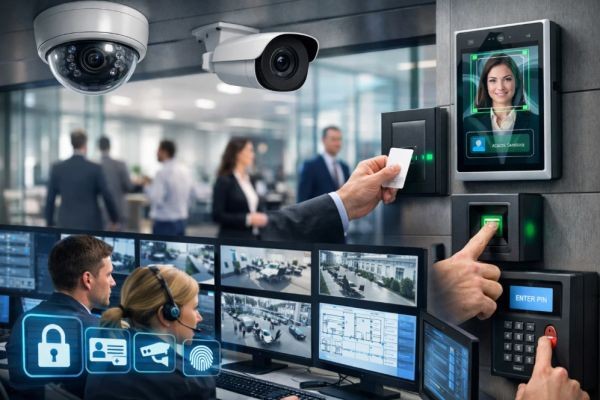
In an era where businesses face increasingly complex security challenges, traditional locks, guards, and standalone cameras are no longer enough. Modern organizations need smarter, integrated, and scalable protection strategies that go beyond basic surveillance. This is where next-generation security comes into play—bringing together the power of the video surveillance system and advanced access control technologies into a unified ecosystem.
By integrating visual monitoring with intelligent access management, businesses can gain real-time insights, improve operational efficiency, and significantly reduce security risks. From corporate offices and manufacturing facilities to retail spaces and healthcare institutions, this convergence is redefining how organizations protect their people, assets, and data.
This article explores how video surveillance and access control systems work together, why integration matters, and how cloud-driven and intelligent platforms are shaping the future of business security.
The Evolution of Business Security Systems
Security solutions have evolved dramatically over the past few decades. Early systems were largely reactive—cameras recorded footage for later review, and access control relied on keys or basic card readers. While these tools offered a level of protection, they operated in silos and lacked the intelligence needed for modern threats.
Today’s businesses require proactive security systems capable of detecting, analyzing, and responding to incidents in real time. This shift has driven the development of smarter video surveillance system architectures and more sophisticated access control platforms that can communicate with each other seamlessly.
The result is an integrated security approach that not only records events but also understands context, verifies identities, and triggers automated responses.
Understanding the Modern Video Surveillance System
A modern video surveillance system is far more than a collection of cameras. It is an intelligent network designed to provide visibility, analytics, and actionable insights.
Key Features of Contemporary Surveillance Solutions
Modern surveillance platforms often include:
- High-definition and ultra-HD cameras for clear imagery
- Night vision and low-light performance
- AI-powered video analytics such as facial recognition, motion detection, and behavior analysis
- Remote monitoring via desktop and mobile devices
- Secure data storage and encryption
These capabilities allow organizations to monitor environments continuously and detect anomalies before they escalate into serious incidents.
More importantly, today’s surveillance systems are designed to integrate with other security technologies, laying the foundation for unified access control and monitoring.
Access Control Systems: From Simple Locks to Intelligent Platforms
Access control has also undergone a significant transformation. Traditional systems limited access using mechanical keys or basic swipe cards. While effective to an extent, these methods lacked flexibility, scalability, and real-time oversight.
Modern access control platforms now offer digital credentials, biometric authentication, and centralized management dashboards. Businesses can define who has access to specific areas, at what times, and under what conditions.
The Rise of Advanced Access Control Software
Advanced access control software enables organizations to manage permissions dynamically and respond quickly to changing security needs. Features often include:
- Role-based access permissions
- Real-time access logs and alerts
- Integration with HR and IT systems
- Support for biometrics, mobile credentials, and smart cards
By leveraging such software, businesses can reduce unauthorized access, simplify compliance, and enhance overall operational control.
Why Integration Matters: Surveillance Meets Access Control
While video surveillance and access control systems are powerful on their own, their true potential is unlocked when they work together.
A Unified Security Ecosystem
When a video surveillance system is integrated with access control, every access event can be visually verified. For example:
- A door unlock event can trigger a camera to record or flag the footage
- Unauthorized access attempts can generate instant alerts with video evidence
- Security teams can verify identities visually instead of relying solely on credentials
This integration creates a layered security approach that reduces false alarms and improves response accuracy.
Improved Incident Investigation
In the event of a security breach, integrated systems allow investigators to correlate access logs with video footage. This makes it easier to understand what happened, who was involved, and how the incident unfolded—saving time and improving accountability.
The Role of Cloud Technology in Next-Gen Security
Cloud technology has become a cornerstone of modern security infrastructure. A cloud based access control system allows organizations to manage security remotely, scale easily, and reduce reliance on on-premises hardware.
Benefits of Cloud-Driven Security Solutions
Cloud-based platforms offer several advantages, including:
- Centralized management across multiple locations
- Automatic software updates and feature enhancements
- Reduced infrastructure and maintenance costs
- Secure remote access for administrators
When combined with a cloud-enabled video surveillance system, businesses gain real-time visibility and control from anywhere in the world.
Scalability and Flexibility for Growing Businesses
One of the biggest challenges for modern organizations is scalability. As businesses expand, open new locations, or adopt hybrid work models, their security systems must adapt quickly.
Cloud-based access control and surveillance platforms are designed with scalability in mind. New users, doors, or cameras can be added without extensive hardware upgrades, making these systems ideal for growing enterprises.
This flexibility is particularly valuable for organizations operating across multiple sites or regions, where centralized oversight is essential.
Enhancing Security with Data and Analytics
Data is at the heart of next-generation security. Integrated systems generate valuable insights that go beyond basic monitoring.
Intelligent Decision-Making
By analyzing data from both surveillance and access control systems, businesses can:
- Identify patterns of movement and usage
- Detect unusual behavior or access attempts
- Optimize staffing and security coverage
These insights help organizations move from reactive security to predictive and preventive strategies.
Compliance, Privacy, and Ethical Considerations
As security systems become more advanced, businesses must also address concerns related to privacy and regulatory compliance.
Modern video surveillance system platforms often include features such as:
- Data anonymization and masking
- Configurable retention policies
- Secure encryption and access controls
Similarly, advanced access control software allows administrators to define strict permissions and audit trails, helping organizations comply with industry regulations and data protection laws.
Balancing security with privacy is critical, and modern systems are designed to support both objectives.
Industry Applications of Integrated Security Systems
The integration of surveillance and access control is transforming security across a wide range of industries.
Corporate and Commercial Offices
Businesses use integrated systems to protect employees, secure sensitive areas, and manage visitor access efficiently.
Retail and Hospitality
Retailers benefit from theft prevention, customer flow analysis, and centralized security management across multiple locations.
Healthcare and Education
Hospitals and educational institutions rely on advanced security to protect patients, students, and staff while maintaining open and accessible environments.
Manufacturing and Critical Infrastructure
High-risk environments require robust monitoring and controlled access to sensitive areas, making integrated security essential.
The Millennium Approach to Modern Security
Innovative security providers like Millennium are driving the evolution of integrated security solutions by combining intelligent surveillance with cutting-edge access control technologies.
By focusing on interoperability, cloud adoption, and user-centric design, solutions inspired by the Millennium approach emphasize adaptability and long-term value. Businesses benefit from systems that not only protect assets but also support operational growth and digital transformation.
Future Trends in Integrated Security Systems
As technology continues to evolve, the future of security will likely include:
- Greater use of artificial intelligence and machine learning
- Deeper integration with IoT and smart building systems
- Enhanced mobile and biometric authentication
- Increased reliance on cloud based access control system architectures
These advancements will further strengthen the relationship between surveillance and access control, making security more intelligent, proactive, and seamless.
Conclusion
The convergence of the video surveillance system with modern access control platforms represents a major leap forward in business security. By integrating visual monitoring, intelligent access management, and cloud-based technologies, organizations can create a comprehensive security ecosystem that adapts to today’s challenges and tomorrow’s growth.
From improved incident response and data-driven insights to scalability and compliance, next-generation security solutions empower businesses to protect what matters most. As companies continue to adopt advanced access control software and cloud-enabled platforms, integrated security will no longer be a luxury—it will be a necessity for sustainable and resilient operations.






