
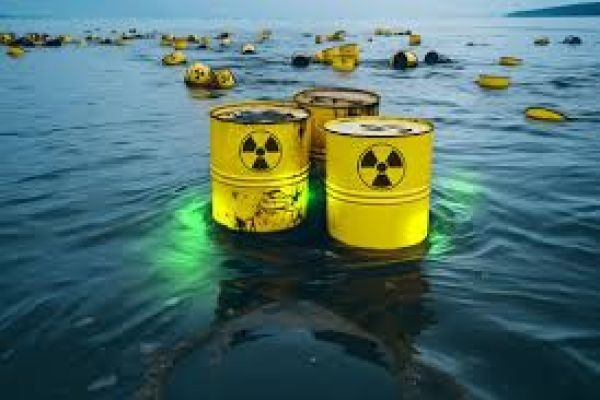
Nuclear waste management market growth is influenced by increasing nuclear energy adoption, advancements in waste handling technologies, and evolving regulatory requirements. Understanding market dynamics, operational challenges, and strategic opportunities helps stakeholders implement effective solutions, maintain safety, and ensure sustainable management of radioactive waste over the long term.
Market growth drivers
The nuclear waste management market is expanding due to multiple factors. Global demand for low-carbon energy has led to an increase in nuclear power plant construction, generating larger volumes of radioactive waste. Advances in medical, research, and industrial applications also contribute to growing waste streams. Technological innovation has improved treatment, storage, and monitoring methods, enabling safer and more efficient operations. Regulatory pressure to ensure environmental protection and public safety is another key driver that shapes market expansion. Understanding these factors is essential for long-term operational planning and resource allocation.
Radioactive waste generation and classification
Radioactive waste originates from nuclear power generation, medical facilities, research laboratories, industrial processes, and decommissioned nuclear sites. Waste is classified into low, intermediate, and high-level categories based on radioactivity and hazard potential. Low-level waste includes items like clothing, tools, and laboratory equipment, while intermediate-level waste consists of resins, filters, and contaminated components. High-level waste, such as spent fuel, requires specialized containment and cooling systems. Proper classification influences storage, handling procedures, and long-term risk mitigation strategies, ensuring safety and regulatory compliance across the industry.
Infrastructure and storage solutions
Storage infrastructure is a critical component of nuclear waste management. Facilities must withstand environmental stressors, structural degradation, and potential natural disasters while providing long-term containment. Temporary storage facilities offer short-term solutions, centralized repositories provide efficient interim storage, and deep geological repositories ensure secure long-term isolation of high-level waste. Engineering controls, temperature regulation, and integrated monitoring systems enhance containment and operational reliability. Well-designed infrastructure ensures the safe management of waste, accommodates projected volumes, and supports compliance with regulatory requirements.
Regulatory framework and compliance
Regulatory frameworks govern every aspect of radioactive waste management. Licensing, inspections, reporting, and compliance protocols ensure operational safety and public protection. National regulations and international standards guide storage, transportation, and disposal practices. Compliance ensures accountability, transparency, and public confidence. Operators must stay informed about regulatory updates, integrate requirements into operational processes, and maintain documentation to demonstrate adherence. A proactive compliance approach reduces risk, enhances safety, and supports sustainable long-term operations.
Transportation and logistics
Transporting radioactive waste safely requires specialized containers, route planning, and coordination with local authorities. Containers are designed to resist fire, impact, and environmental stress. Routes are carefully selected to minimize exposure to populations and critical infrastructure. Real-time monitoring systems track shipments, ensuring accountability and timely intervention if needed. Emergency preparedness measures, including contingency plans and response protocols, are essential for mitigating potential incidents. Efficient logistics operations ensure safe delivery, maintain compliance, and preserve public trust in the management process.
Technology adoption and innovation
Technological advancements have transformed radioactive waste management. Robotics and automation reduce human exposure and improve operational efficiency. Advanced treatment methods, including vitrification and encapsulation, stabilize high-level waste for long-term storage. Digital monitoring, predictive analytics, and early-warning systems enable proactive risk detection and operational planning. Technology integration enhances safety, supports regulatory compliance, and increases facility reliability. Continuous innovation ensures that emerging challenges, including waste volume growth and environmental risks, are addressed effectively.
Workforce development and expertise
A skilled and knowledgeable workforce is essential for safe radioactive waste management. Training programs, certification, and knowledge transfer initiatives maintain operational proficiency. Experienced personnel ensure adherence to safety protocols, identify potential risks, and implement mitigation measures. Succession planning and mentoring preserve institutional knowledge, enabling future operators to understand facility design, historical decisions, and safety procedures. Workforce planning also accounts for temporary surges during decommissioning or infrastructure expansion, ensuring adequate staffing and operational continuity.
Environmental protection and sustainability
Environmental monitoring is a core aspect of nuclear waste management. Continuous assessment of air, water, and soil quality enables early detection of contamination and timely mitigation. Facilities implement environmental protection measures to reduce ecological impact and ensure regulatory compliance. Sustainability practices, such as energy efficiency, waste minimization, and climate-resilient infrastructure, are increasingly incorporated into operational planning. These initiatives enhance environmental stewardship, promote public confidence, and align operations with long-term sustainability objectives.
Public engagement and social responsibility
Public perception is crucial for successful radioactive waste management. Transparent communication, education, and community engagement foster trust and reduce misinformation. Advisory panels, public forums, and accessible reporting enable stakeholders to understand safety measures, monitoring results, and operational practices. Ongoing engagement ensures that communities support projects, while social responsibility initiatives demonstrate commitment to public safety and environmental protection. Strong community relations are essential for operational success and long-term acceptance of nuclear waste facilities.
Decommissioning and legacy waste management
Decommissioned facilities produce legacy radioactive waste that requires careful handling and storage. Strategic planning ensures temporary storage capacity, coordination with operational sites, and resource allocation for workforce and equipment. Compliance with disposal protocols and environmental monitoring safeguards operational integrity and prevents environmental incidents. Effective management of legacy waste demonstrates responsible long-term planning and reinforces regulatory and public trust in nuclear waste operations.
Risk management and security
Risk assessment identifies potential hazards and informs mitigation strategies across all stages of radioactive waste management. Security measures, including physical access controls, cybersecurity, surveillance, and emergency response protocols, protect facilities from unauthorized access and potential sabotage. Continuous monitoring, incident reporting, and contingency planning ensure operational resilience, minimize environmental impact, and protect public health. Effective risk management safeguards both infrastructure and communities while supporting regulatory compliance.
Financial planning and investment
Long-term financial planning is essential to sustain operations. Budget forecasting, resource allocation, and dedicated funding enable continuous maintenance, infrastructure upgrades, workforce development, and technology adoption. Investments in innovation, environmental protection, and compliance improve operational efficiency and safety. Financial resilience reduces risk, supports strategic expansion, and ensures facilities can accommodate future waste volumes while meeting regulatory obligations.
International collaboration and benchmarking
Global cooperation strengthens operational efficiency, safety, and knowledge sharing. Countries exchange best practices, conduct joint research, and align protocols to enhance performance. Benchmarking against international standards allows operators to adopt proven solutions and reduce operational risks. Collaboration supports emerging nuclear programs, fosters innovation, and ensures consistency in global nuclear waste management practices.
Ethical responsibility and intergenerational planning
Ethical considerations guide decision-making in nuclear waste management. Strategies aim to minimize future burdens, maintain monitoring systems, and preserve institutional knowledge. Responsible stewardship ensures public safety, environmental protection, and societal trust. Long-term planning addresses both current operational challenges and future requirements, supporting sustainable management of radioactive waste for generations to come.
Market opportunities and growth outlook
The nuclear waste management market offers opportunities in infrastructure development, advanced treatment technologies, automation, workforce training, and environmental monitoring systems. Emerging trends include digital integration, international collaboration, and climate-resilient facility design. Strategic investments and innovation enhance operational safety, efficiency, and sustainability, enabling the market to meet growing demands from energy, medical, and research sectors.
Strategic planning for the future
Future success relies on integrating technology, skilled workforce, regulatory compliance, infrastructure, and environmental stewardship. Proactive risk management, continuous monitoring, and operational adaptability ensure resilience against evolving challenges. Long-term strategies focus on sustainability, ethical responsibility, and technological advancement, ensuring radioactive waste is managed effectively for both current and future generations.
Conclusion
Comprehensive insights into nuclear waste management market growth, challenges, and strategic planning provide stakeholders with the knowledge to implement safe, sustainable, and efficient operations. By integrating technology, skilled personnel, environmental protection measures, regulatory compliance, and ethical planning, radioactive waste can be managed responsibly. Continuous evaluation, proactive planning, and long-term foresight ensure public safety, environmental integrity, and resilient operations across the nuclear waste management industry.






