
Oil Refining Market Outlook and Forecast
The Oil Refining Market remains a cornerstone of the global energy ecosystem, supporting transportation, industrial manufacturing, petrochemicals, and power generation. As economies continue to expand and industrial activities increase across emerging and developed regions, refiners are adapting their operations to improve efficiency, reduce emissions, and maximize product yields. The industry is witnessing significant investments in modernization projects, digital transformation initiatives, and refinery integration strategies aimed at enhancing profitability and operational resilience.
In 2025, the oil refining market was valued at USD 1.88 Trillion. The market is projected to reach USD 2.89 Trillion by 2035, expanding at a CAGR of 4.4% during the forecast period from 2026 to 2035. Growth is being supported by increasing fuel demand, expanding petrochemical production, and ongoing investments in refining infrastructure across key energy-producing regions.
Regional Performance Highlights
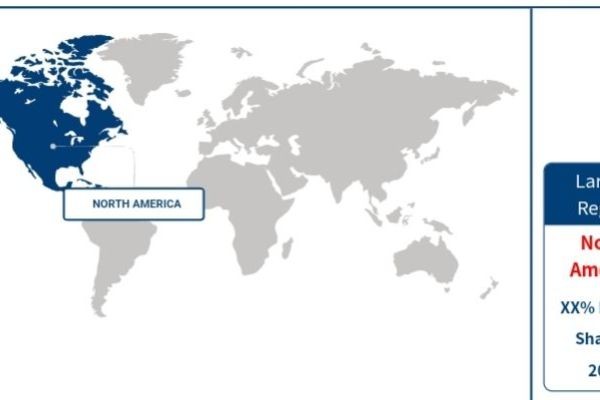
- North America: North America continues to maintain a strong position in the oil refining market due to its extensive refinery network, technological advancements, and growing investments in cleaner fuel production. Refiners in the United States and Canada are increasingly integrating digital technologies to optimize production and improve operational efficiency.
- Europe: European refiners are focusing on sustainability initiatives, low-carbon fuel production, and refinery modernization projects. Stringent environmental regulations are encouraging operators to adopt advanced refining technologies and improve energy efficiency.
- Asia Pacific: Asia Pacific remains a major growth hub driven by rapid industrialization, urbanization, and rising transportation fuel demand. Countries such as China, India, and Southeast Asian nations continue to expand refining capacities to meet growing domestic and export requirements.
Market Segment Analysis
Middle Distillates Segment: The middle distillates segment contributed a 39.38% share to the oil refining market in 2025. Diesel, jet fuel, and heating oil continue to represent critical products for transportation and industrial applications, supporting the segment’s dominant position.
Deep Conversion Segment: The deep conversion segment accounted for a 41.2% share of the market in 2025. Refiners increasingly favor deep conversion technologies because they maximize the production of high-value fuels while minimizing residual fuel oil output, improving overall refinery economics.
Request Free Sample Report @ https://www.fundamentalbusinessinsights.com/request-sample/14856
Top Market Trends Transforming the Oil Refining Industry
1. Increasing Adoption of Digital Refinery Technologies
Digitalization is rapidly reshaping refinery operations worldwide. Companies are implementing artificial intelligence, machine learning, predictive maintenance systems, and advanced analytics platforms to improve asset utilization and reduce operational downtime. Digital refinery initiatives enable real-time monitoring of equipment performance and support data-driven decision-making.
Several leading refiners have recently expanded investments in digital twins and cloud-based monitoring systems to optimize production efficiency and improve maintenance scheduling.
2. Growing Focus on Sustainable and Cleaner Fuel Production
Environmental regulations and evolving consumer preferences are encouraging refiners to produce cleaner transportation fuels. Investments in ultra-low sulfur diesel, renewable feedstock processing, and emissions reduction technologies have accelerated globally. Refinery operators are also pursuing carbon management strategies to align with sustainability objectives.
Recent projects involving renewable diesel production and co-processing of bio-based feedstocks demonstrate the industry's commitment to reducing environmental impact while maintaining profitability.
3. Expansion of Petrochemical Integration Strategies
Petrochemical integration has emerged as a major trend within the oil refining market. Refiners are increasingly connecting refining operations with petrochemical production facilities to diversify revenue streams and capture higher-margin opportunities. This approach helps companies reduce exposure to fuel demand fluctuations while capitalizing on growing demand for chemical products.
Large-scale integrated refinery-petrochemical complexes have been announced across Asia and the Middle East to enhance operational efficiency and improve product diversification.
4. Investments in Refinery Upgrades and Capacity Optimization
Many refiners are prioritizing modernization programs to improve energy efficiency, increase processing flexibility, and enhance product quality. Upgrades involving hydrocrackers, catalytic crackers, and desulfurization units are becoming increasingly common as operators seek to process diverse crude oil grades and meet evolving fuel standards.
Recent investment activities highlight a global push toward upgrading legacy facilities and enhancing refining competitiveness in a rapidly changing energy landscape.
Request Free Sample Report @ https://www.fundamentalbusinessinsights.com/request-sample/14856
Recent Company Developments
Saudi Aramco
Saudi Aramco continues expanding its refining and petrochemical integration initiatives through strategic investments aimed at strengthening downstream operations and increasing value-added product output.
Exxon Mobil Corporation
Exxon Mobil has advanced refinery modernization efforts focused on improving operational efficiency, reducing emissions intensity, and expanding production capabilities for premium fuel products.
Chevron Corporation
Chevron has invested in refinery optimization projects and digital transformation programs designed to enhance productivity and support long-term sustainability goals.
Shell plc
Shell continues to transform its refining portfolio through investments in cleaner fuels, renewable feedstock processing, and integrated energy solutions aligned with global energy transition trends.
BP plc
BP has accelerated investments in lower-carbon refining operations and energy efficiency projects while exploring opportunities in biofuels and sustainable fuel production.
TotalEnergies SE
TotalEnergies remains focused on upgrading refining facilities and expanding renewable fuel capabilities through strategic capital investments and technology partnerships.
Reliance Industries Limited
Reliance Industries continues leveraging its advanced refining infrastructure to strengthen global competitiveness while investing in digital technologies and operational enhancements.
Indian Oil Corporation Limited
Indian Oil has announced multiple refinery expansion and modernization projects to support growing domestic fuel demand and improve processing efficiency.
Sinopec
Sinopec continues investing in integrated refining and petrochemical projects while adopting advanced technologies to improve operational performance and product quality.
Valero Energy Corporation
Valero has expanded initiatives related to renewable fuels, refinery optimization, and sustainability improvements to strengthen its position in evolving energy markets.
Request Free Sample Report @ https://www.fundamentalbusinessinsights.com/request-sample/14856
Market Opportunities and Challenges
The oil refining market presents substantial opportunities through technological innovation, refinery modernization, petrochemical integration, and cleaner fuel development. Emerging economies continue to offer significant growth potential as transportation infrastructure expands and industrialization accelerates. Additionally, advancements in refining technologies are enabling operators to improve margins and optimize resource utilization.
Despite these opportunities, the industry faces several challenges. Stringent environmental regulations, fluctuating crude oil prices, evolving fuel demand patterns, and increasing pressure to reduce carbon emissions require continuous adaptation. Refiners must balance profitability with sustainability objectives while investing in modernization initiatives to remain competitive.
Companies capable of integrating digital solutions, adopting cleaner technologies, and optimizing refinery operations are expected to maintain stronger competitive positions within the evolving oil refining market landscape.
Request Free Sample Report @ https://www.fundamentalbusinessinsights.com/request-sample/14856
Related Reports
About Fundamental Business Insights:
Fundamental Business Insights is global market research and consulting company which is engaged in providing in depth market reports to its various types of clients like industrial sectors, financial sectors, universities, non-profit, and corporations. Our goal is to offer the correct information to the right stakeholder at the right time, in a format that enables logical and informed decision making. We have a team of consultants who have experience in offering executive level blueprints of markets and solutions. Our services include syndicated market studies, customized research reports, and consultation.
Contact us:
Robbin Fernandez
Head of Business Development
Fundamental Business Insights and Consulting
Email: sales@fundamentalbusinessinsights.com






