
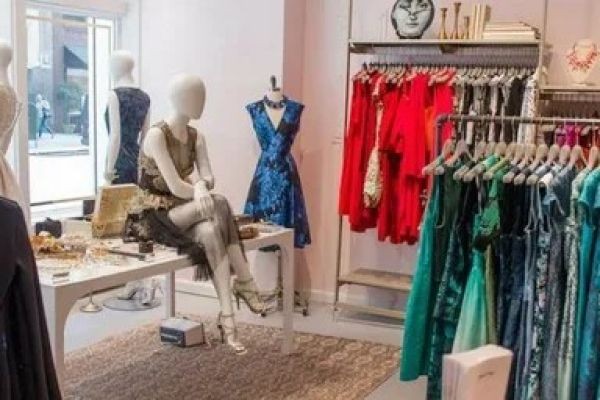
According to the latest industry analysis, the global online clothing rental market is entering a phase of sustained expansion driven by rising demand for affordable premium fashion access, increasing adoption of subscription-based wardrobes, and growing consumer preference for circular and event-based apparel consumption. Valued at USD 2.8 billion in 2026, the market is projected to reach USD 7.0 billion by 2036, expanding at a CAGR of 9.6% during the forecast period.
Online clothing rental platforms continue to gain strategic importance within the broader digital fashion ecosystem due to their ability to support recurring revenue models, optimize garment utilization, and enable access-based consumption. Rental operators and fashion platforms are increasingly investing in inventory depth, cleaning infrastructure, reverse logistics, and subscription experiences to improve customer retention and operational efficiency across premium and mid-market apparel categories.
Quick Stats Snapshot
• Market size (2026): USD 2.8 billion
• Forecast (2036): USD 7.0 billion
• CAGR (2026-2036): 9.6%
• Top growth market: India (14.8%)
• Leading product segment: Ethnic wear (32.0% share)
• Dominant end-user segment: Business-to-business users (89.4% share)
• Fastest-growing trends: Subscription wardrobes, premium designer rentals, peer-to-peer fashion access, and circular apparel models
• Key growth regions: South Asia, East Asia, North America, and Europe
Get detailed market forecasts, competitive benchmarking, and subscription model insights: https://www.futuremarketinsights.com/reports/sample/rep-gb-1452
Market Size and Growth Outlook
The online clothing rental market is forecast to expand at a CAGR of 9.6% between 2026 and 2036. Market growth is being supported by rising consumer demand for short-term premium apparel access, expanding digital fashion purchasing behavior, and increasing awareness around sustainable and circular consumption models.
As fashion consumers continue prioritizing wardrobe flexibility and cost-efficient occasionwear, rental platforms are investing heavily in subscription-based clothing access, managed inventory systems, garment inspection processes, and streamlined return logistics to strengthen repeat customer engagement and long-term monetization.
Growth Drivers
1. Rising Demand for Eventwear and Occasion Fashion
Consumers increasingly prefer renting expensive garments for weddings, festivals, formal events, and social occasions rather than purchasing high-cost outfits intended for limited use.
2. Expansion of Subscription-Based Wardrobe Models
Urban professionals and digital-first consumers are adopting subscription wardrobe services that provide regular access to fresh styles across workwear, casualwear, and occasionwear categories.
3. Growth in Circular and Access-Based Fashion Consumption
Sustainability concerns, textile waste reduction initiatives, and increasing acceptance of reuse-based fashion models are encouraging customers and brands to experiment with rental-driven apparel ecosystems.
Key Challenges
• Reverse logistics and garment return handling increase operational costs
• Cleaning, repair, and inspection processes create margin pressure
• Inventory management complexity impacts garment availability and customer satisfaction
• Consumer trust around sizing, hygiene, and garment condition remains critical
• Lower-priced apparel categories face tighter profitability margins
Emerging Opportunities
• Rising popularity of ethnic wear and weddingwear rental across Asia Pacific
• Expansion of peer-to-peer and retail-backed rental platforms
• Growing adoption of subscription-based fashion access among urban consumers
• Increased investment in premium designer rentals and curated wardrobes
• Retail and fashion brand partnerships are supporting scalable rental infrastructure
Segmentation Insights: Ethnic Wear and B2B Users Lead Market Demand
By Product Type:
Ethnic wear is projected to account for 32.0% market share in 2026, supported by strong rental demand for weddingwear, festive clothing, and premium traditional outfits with limited repeat-use frequency.
By End User:
Business-to-business users are expected to represent 89.4% market share, driven by demand from stylists, event organizers, fashion production agencies, and media professionals requiring reliable inventory access.
By Business Model:
Subscription-based rental models continue witnessing strong adoption as customers seek wardrobe rotation, recurring access to premium apparel, and simplified monthly fashion planning.
By Rental Duration:
One-time rentals remain dominant due to event-driven demand for occasionwear and date-specific apparel usage across weddings, parties, and formal gatherings.
By Price Tier:
Premium rentals are projected to maintain strong growth as designer clothing access provides significant savings compared to outright purchases.
Speak to Analyst: Customize insights for your business strategy: https://www.futuremarketinsights.com/customization-available/rep-gb-1452
Regional Analysis
• India (14.8% CAGR): Strongest growth market supported by weddingwear demand, festive fashion culture, digital payment adoption, and expanding metro delivery infrastructure.
• China (12.7% CAGR): Growth fueled by large-scale online fashion engagement, urban delivery networks, and increasing acceptance of premium rental apparel.
• United States (10.2% CAGR): Demand supported by subscription wardrobe adoption, premium designer rentals, and strong participation from managed inventory platforms.
• United Kingdom (10.0% CAGR): Growth driven by peer-to-peer rental familiarity, premium dress rentals, and retail-backed fashion rental partnerships.
• France (9.4% CAGR): Expansion supported by luxury fashion culture, occasionwear demand, and increasing access-based apparel consumption.
• Germany (9.1% CAGR): Growth supported by re-commerce familiarity, careful consumer spending, and emphasis on hygiene and garment quality standards.
• Japan (8.8% CAGR): Demand supported by formalwear rentals, service reliability expectations, and premium urban fashion consumption.
Competitive Landscape
• Companies are competing through inventory depth, cleaning discipline, and subscription-based wardrobe experiences
• Rent the Runway strengthens its position through designer partnerships and recurring subscription models
• Nuuly focuses on curated wardrobe rotation and recurring apparel access for urban consumers
• HURR and By Rotation emphasize peer-to-peer and premium local wardrobe access models
• My Wardrobe HQ focuses on luxury designer apparel and resale integration
• GlamCorner strengthens its position through occasionwear specialization in Australia
• Armoire differentiates through curated wardrobe experiences for working professionals
Future Outlook
The online clothing rental market is expected to witness sustained expansion as consumers increasingly prioritize flexible wardrobe access, premium fashion affordability, and sustainable apparel consumption. Growing adoption of subscription fashion models, digital-first shopping behavior, and circular textile initiatives will continue supporting market growth, particularly across Asia Pacific and high-density urban economies.
Investments in cleaning infrastructure, garment lifecycle management, AI-driven personalization, and logistics optimization are expected to play a critical role in shaping long-term profitability and customer retention across the global online clothing rental ecosystem.
Purchase Full Report for Detailed Insights: https://www.futuremarketinsights.com/reports/online-clothing-rental-market
Executive Takeaways
• Online clothing rental continues gaining traction through eventwear demand and subscription wardrobe adoption
• Ethnic wear remains the leading product category driven by weddingwear and festive clothing demand
• Business-to-business users represent the largest and most commercially significant customer segment
• India and China offer substantial long-term growth opportunities
• Subscription-based fashion access is accelerating recurring revenue opportunities
Why Choose FMI: https://www.futuremarketinsights.com/why-fmi
Nenhum comentário encontrado






