
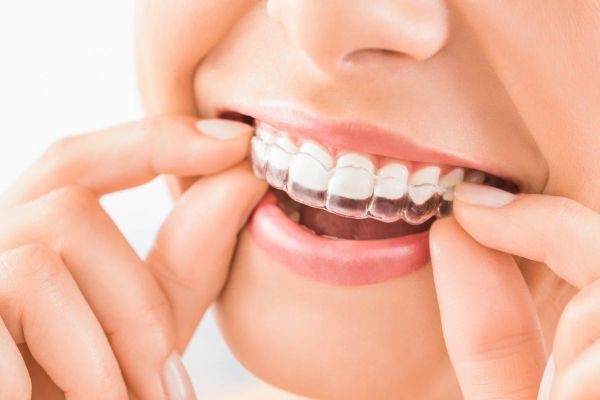
Many people think orthodontic treatment is only for cosmetic reasons, but the truth is very different. Orthodontics plays a big role in improving overall oral health.
In recent years, awareness about dental care has grown rapidly. More people are now choosing orthodontic solutions to fix alignment problems early and avoid serious dental issues later in life. This is where orthodontics dubai has gained strong attention for offering modern, patient-focused treatment options.
This article explains orthodontics in a simple way, how braces work, and how they help improve oral health step by step.
What Is Orthodontics?
Orthodontics is a special branch of dentistry. It focuses on correcting teeth and jaw alignment. When teeth are crooked, crowded, or not aligned properly, orthodontic treatment helps move them into the right position.
Orthodontic care is not only for children or teenagers. Adults can also benefit greatly from it. In fact, many adults today are choosing braces or clear aligners to improve both function and appearance.
The main goal of orthodontics is:
-
To align teeth properly
-
To improve the way teeth bite together
-
To make cleaning easier
-
To protect teeth from future damage
Why Proper Teeth Alignment Is Important
Teeth that are not aligned properly can cause many problems over time. These issues may start small but can become serious if ignored.
Some common problems caused by misaligned teeth include:
-
Difficulty in cleaning teeth properly
-
Higher risk of cavities and gum disease
-
Jaw pain and headaches
-
Uneven tooth wear
-
Speech difficulties
-
Low confidence due to smile appearance
Proper alignment helps teeth work together correctly. It also supports the jaw and facial muscles, reducing strain and discomfort.
What Are Braces and How Do They Work?
Braces are orthodontic devices used to slowly move teeth into their correct position. They apply gentle, constant pressure over time.
Braces usually consist of:
-
Brackets attached to teeth
-
Wires that connect the brackets
-
Elastic bands in some cases
As the wire tightens gradually, it guides the teeth into alignment. This process may take months or sometimes a few years, depending on the case.
The movement is slow and controlled to ensure safety and long-term results.
Types of Braces Used in Orthodontic Treatment
Orthodontics today offers different types of braces. Each option is designed to meet different needs and preferences.
1. Metal Braces
These are the most traditional type. They are strong, effective, and suitable for complex cases. Modern metal braces are smaller and more comfortable than older versions.
2. Ceramic Braces
Ceramic braces work like metal braces but are tooth-colored. They are less noticeable and often chosen by adults.
3. Lingual Braces
These braces are placed on the inside surface of the teeth. They are hidden from view but may take time to get used to.
4. Clear Aligners
Clear aligners are removable trays made from transparent material. They are comfortable and almost invisible. They work best for mild to moderate alignment problems.
How Braces Improve Oral Health
Braces do much more than straighten teeth. They help improve oral health in many important ways.
Better Cleaning and Hygiene
Crooked or crowded teeth create tight spaces where food and plaque get trapped. This makes brushing and flossing difficult.
Once teeth are aligned properly:
-
Brushing becomes easier
-
Flossing is more effective
-
Plaque buildup reduces
This lowers the risk of cavities and gum disease.
Reduced Risk of Gum Disease
Gum disease often starts when plaque is not removed properly. Misaligned teeth make gums more vulnerable to infection.
Orthodontic treatment helps:
-
Improve gum health
-
Reduce inflammation
-
Prevent bleeding gums
Healthy gums support strong teeth and prevent tooth loss in the future.
Improved Bite Function
A poor bite can cause teeth to hit incorrectly. This can lead to:
-
Tooth chipping or cracking
-
Jaw pain
-
Uneven wear
Braces correct bite issues such as overbite, underbite, crossbite, and open bite. A balanced bite allows teeth to function properly during chewing and speaking.
Less Jaw Pain and Headaches
Jaw misalignment often causes tension in facial muscles. This can lead to:
-
Jaw pain
-
Neck discomfort
-
Frequent headaches
Orthodontic correction helps align the jaw properly, reducing stress on muscles and joints.
Prevention of Tooth Damage
When teeth are crowded or misaligned, some teeth may take more pressure than others. Over time, this leads to enamel wear and sensitivity.
Braces distribute biting pressure evenly across all teeth, helping to protect them from early damage.
Orthodontics for Children and Teenagers
Early orthodontic evaluation is important for children. It helps identify problems before they become serious.
Benefits of early orthodontic care include:
-
Guiding jaw growth
-
Creating space for permanent teeth
-
Reducing treatment time later
Children’s bones are still developing, which makes orthodontic correction easier and faster in many cases.
Orthodontics for Adults
Adults can benefit from orthodontic treatment just as much as younger patients. Age is not a barrier.
Many adults choose orthodontic care to:
-
Improve oral health
-
Fix long-standing bite problems
-
Boost confidence
Modern orthodontics offers discreet options, making treatment comfortable and suitable for professional and social life.
What to Expect During Orthodontic Treatment
Understanding the process helps reduce anxiety and ensures better cooperation.
Initial Consultation
The orthodontist examines teeth, jaw, and bite. X-rays and digital scans may be taken to plan treatment.
Treatment Plan
A customized plan is created based on individual needs. This includes type of braces and estimated treatment time.
Braces Placement
Braces are placed carefully. Mild discomfort may be felt initially, but it usually fades within a few days.
Regular Adjustments
Periodic visits help adjust the braces and monitor progress.
Retainers After Treatment
Once braces are removed, retainers help maintain the results and prevent teeth from shifting back.
Daily Care Tips While Wearing Braces
Good oral hygiene is very important during orthodontic treatment.
Simple care tips include:
-
Brush after every meal
-
Use a soft toothbrush
-
Floss daily using special floss tools
-
Avoid sticky or hard foods
-
Attend regular dental checkups
Proper care ensures faster results and prevents complications.
Common Myths About Orthodontic Treatment
Many people avoid braces due to myths. Let’s clear some common misunderstandings.
Myth: Braces are only for cosmetic reasons
Truth: Braces improve both oral health and function
Myth: Orthodontic treatment is painful
Truth: Discomfort is mild and temporary
Myth: Adults cannot get braces
Truth: Adults of any age can benefit
Long-Term Benefits of Orthodontics
Orthodontic treatment is an investment in long-term health.
Benefits include:
-
Healthier teeth and gums
-
Reduced dental costs in the future
-
Improved confidence
-
Better overall quality of life
Proper alignment supports oral health for many years to come.
Conclusion
Orthodontic treatment is not just about straight teeth. It plays a major role in improving oral health, comfort, and confidence. From easier cleaning to better bite function, the benefits go far beyond appearance.
Choosing the right orthodontic care ensures safe, effective, and lasting results. With advanced treatment options and patient-focused care, SwissMed Clinic provides professional orthodontic solutions designed to support both dental health and overall well-being.






