
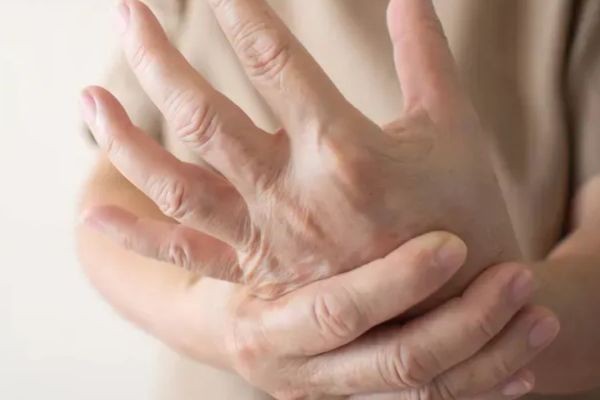
Bones are living tissues that constantly rebuild themselves throughout life. During childhood and early adulthood, the body produces new bone faster than it removes old bone, allowing bones to become stronger and denser. However, as people age, this balance gradually changes. Bone loss begins to exceed bone formation, increasing the risk of osteoporosis.
Osteoporosis is a condition that causes bones to become weak, fragile, and more likely to break. It is often called a “silent disease” because bone loss occurs gradually without noticeable symptoms. Many individuals do not realize they have osteoporosis until they experience a fracture after a minor fall or injury. Understanding osteoporosis, its causes, risk factors, and prevention methods is essential for maintaining long-term bone health and quality of life.
What Is Osteoporosis?
Osteoporosis is a medical condition characterized by decreased bone density and deterioration of bone structure. Healthy bones contain a dense network of minerals, primarily calcium and phosphorus, which provide strength and support. In osteoporosis, bones lose these minerals and become porous, making them fragile and susceptible to fractures.
The condition commonly affects the hips, spine, and wrists. Fractures in these areas can significantly impact mobility, independence, and overall well-being. Because osteoporosis develops slowly over many years, regular awareness and preventive measures are crucial.
How Bones Change Over Time
Bone tissue undergoes a continuous process known as remodeling. Old bone is broken down and replaced with new bone. During youth, bone formation occurs rapidly, leading to increased bone mass. Peak bone density is usually achieved by the late twenties.
As aging progresses, the body’s ability to replace lost bone decreases. Hormonal changes, especially in women after menopause, can accelerate bone loss. Men also experience gradual bone density reduction with age, although it typically occurs at a slower rate.
Without adequate nutrition, physical activity, and healthy lifestyle habits, bones become increasingly vulnerable to osteoporosis.
Causes and Risk Factors
Several factors contribute to the development of osteoporosis. Some can be controlled, while others cannot.
Aging
Age is one of the most significant risk factors. Bone density naturally declines over time, making older adults more susceptible to osteoporosis.
Hormonal Changes
Women experience a rapid decrease in estrogen levels after menopause. Since estrogen helps protect bones, its decline accelerates bone loss. Men with low testosterone levels may also experience reduced bone density.
Family History
Individuals with a family history of osteoporosis or fractures may have a higher risk of developing the condition.
Poor Nutrition
A diet lacking calcium, vitamin D, and other essential nutrients can weaken bones over time. These nutrients are necessary for maintaining bone strength and supporting bone remodeling.
Lack of Physical Activity
Regular exercise stimulates bone formation and helps preserve bone density. Sedentary lifestyles contribute to weaker bones and increased fracture risk.
Smoking and Excessive Alcohol Consumption
Smoking negatively affects bone-building cells, while excessive alcohol intake interferes with calcium absorption and bone maintenance.
Certain Medical Conditions
Conditions such as thyroid disorders, rheumatoid arthritis, digestive diseases, and long-term use of corticosteroid medications may increase the likelihood of osteoporosis.
Symptoms of Osteoporosis
Osteoporosis often develops without obvious symptoms. As bone loss progresses, individuals may experience:
- Frequent fractures after minor falls
- Back pain caused by spinal fractures
- Loss of height over time
- Stooped posture
- Reduced mobility
Since symptoms typically appear only after significant bone loss has occurred, early screening and preventive care are essential.
Diagnosing Osteoporosis
Healthcare professionals use various methods to diagnose osteoporosis. The most common test is a bone mineral density scan, often referred to as a DEXA scan. This painless test measures bone density and helps determine fracture risk.
Medical history, physical examinations, and blood tests may also be used to identify contributing factors and assess overall bone health.
Preventing Osteoporosis
Although aging cannot be stopped, many preventive strategies can help reduce the risk of osteoporosis.
Maintain a Calcium-Rich Diet
Calcium is the primary mineral responsible for bone strength. Dairy products, leafy green vegetables, almonds, and fortified foods are excellent sources of calcium.
Ensure Adequate Vitamin D Intake
Vitamin D helps the body absorb calcium effectively. Safe sunlight exposure, fortified foods, and supplements can help maintain healthy vitamin D levels.
Engage in Weight-Bearing Exercise
Activities such as walking, jogging, dancing, and strength training encourage bone formation and improve balance, reducing fall risk.
Avoid Smoking
Quitting smoking supports overall health and protects bone density.
Limit Alcohol Consumption
Moderate alcohol intake helps reduce the negative effects on bone health and calcium absorption.
Prevent Falls
Creating a safe living environment, improving lighting, removing hazards, and maintaining physical fitness can significantly reduce fracture risk.
Treatment Options
While osteoporosis cannot always be completely reversed, treatment can slow bone loss and strengthen existing bone tissue.
Doctors may recommend:
- Calcium and vitamin D supplements
- Prescription medications that slow bone breakdown
- Hormone-related therapies when appropriate
- Exercise and rehabilitation programs
- Lifestyle modifications to support bone health
Treatment plans vary based on age, overall health, and fracture risk.
Living Well with Osteoporosis
Receiving an osteoporosis diagnosis does not mean an active life must end. Many individuals successfully manage the condition through healthy habits, regular medical care, and adherence to treatment plans.
Maintaining physical activity, eating a balanced diet, and attending routine health checkups can improve quality of life and reduce complications. Emotional support from family, friends, and healthcare providers also plays an important role in long-term management.
Conclusion
Osteoporosis is a common yet preventable condition that affects millions of people worldwide. Because it develops silently, many individuals remain unaware of their declining bone health until a fracture occurs. Understanding the causes, recognizing risk factors, and adopting preventive measures can significantly reduce the impact of osteoporosis.
Strong bones are built through proper nutrition, regular exercise, healthy lifestyle choices, and routine medical care. By prioritizing bone health today, individuals can enjoy greater mobility, independence, and overall well-being in the years ahead.






