
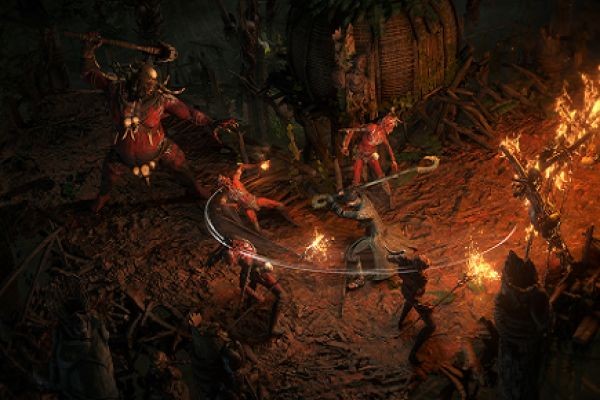
You meet the King in the Mists early in Path of Exile 2, deep in the wooded paths of Freythorn. At first, he looks like another dangerous creature waiting to block your progress. Then the strange voice, the bone altars, and the villagers' behaviour start to make the encounter feel different. This is not just a fight at the end of a zone. It is a story about fear, names, memory, and the need to be acknowledged. If you are preparing for the encounter, sensible spending on POE 2 Currency [https://www.u4gm.com/path-of-exile-2/currency] can help with resistances, equipment and skill upgrades, but the lore gives the battle its real weight. The King is less interested in ruling a forest than in proving that he exists. Every person who knows his name becomes part of that proof.
Freythorn and the Rise of the Rituals
Freythorn was meant to be a refuge for people pushed out of ordinary society. Thieves, criminals and other unwanted travellers made a home there because nobody else wanted them. That history matters. These villagers already understand what it means to be ignored, so they are vulnerable when a new power offers them purpose. Strange visitors arrive from the woods. They build circles from bones and antlers. They raise altars and demand loyalty. Slowly, the settlement changes. Neighbours stop acting like neighbours. They guard the ritual sites, repeat unfamiliar prayers and turn on anyone who questions the new faith. Finn sees this collapse more clearly than most. He is not a grand hero with a secret throne waiting for him. He is simply a survivor watching his home disappear. The King needs witnesses, and Freythorn gives him a ready-made audience.
A Ruler Who Fears Disappearing
When the King finally speaks to you, he does not behave like a beast driven by hunger. He acts like a monarch receiving an unwelcome guest. There is pride in his voice, but also panic. His kingdom is rotting around him, filled with thorns, sickness, insects and warped creatures, yet he still insists that it belongs to him. That stubborn claim reveals the heart of his character. He is not chasing wealth or territory. He wants to remain real. The Nameless stand close to the edge of existence, and being forgotten can mean more than losing a reputation. It can mean fading away altogether. Rituals therefore serve a practical purpose. An altar marks his presence. A follower repeats his name. A story carries him from one mind to another. The King's power comes from remembrance, which makes his cult unsettling in a way ordinary political movements are not. His people are not only servants. They are evidence.
The Druid, the Wildwood and a Stolen Identity
The King's reaction to the Druid adds another layer to the mystery. He calls the character Magi and speaks as if an old relationship still exists beneath the surface. He even hints that the Druid was once a prodigal prince. That moment suggests a past tied to the Wildwood, the Magi and the beings known as the Nameless. The Wildwood is not merely a collection of trees and monsters. It feels like a place where old stories have physical weight, where nature and memory overlap. The game draws on Gaelic folklore without treating it as a simple copy of real-world myth. The Bodach, the sisters connected with Karth and the woodland spirits all help create that mood. The King belongs to this older world, but he is not a natural ruler within it. The Speaker of Truths explains that he came into being when a frightened child gave a name to something he could not understand. The name answered back. Fear became a person, and that person learned to fear oblivion.
The Crux of Nothingness and the Cost of Survival
That origin explains why the King wants more Nameless beings to enter the world. He sees their survival as a shared cause. There is a troubling honesty to that idea. Everyone understands the wish to live. The problem begins when one existence depends on the suffering of another. The Speaker of Truths becomes a clear example of his methods. She believed he might be an ancient leader returning to the Magi, and he used that hope to gain her trust. His plan was never equal partnership. He wanted to use her as a vessel, opening a path for the Nameless. The Crux of Nothingness makes the same conflict feel physical. Its maze seems to sit between reality and absence. Corridors twist without offering comfort, and every turn reflects the King's unstable position. He exists because he is remembered, yet every moment reminds him that memory can fade. Even after the battle, the question remains. Have you destroyed him, or have you simply added your own memory to the chain that keeps him present?
Final Thoughts
Finn offers the strongest answer to that question. The King treats memory as fuel for his own survival. Finn treats it as a way to respect people who were overlooked. When he tries to rebuild Freythorn, he does not restore the altars or continue the rituals. He wants a home, not a shrine. That contrast gives the Act 1 story its human centre. Remembering someone is not automatically dangerous. It depends on whether memory supports a living community or serves one figure's hunger for control. The King in the Mists introduces ideas that return through Ritual content, the Crux of Nothingness and later encounters, so his early appearance carries more importance than it first seems. For the fight itself, useful POE 2 Items and careful preparation still matter. Players planning future upgrades may also find poe2 trade [https://www.u4gm.com/path-of-exile-2/currency] helpful when comparing equipment and resources. Beneath the combat, though, the King remains fear given a name, memory turned into power, and a warning about what survival can become when it leaves no room for anyone else.






