
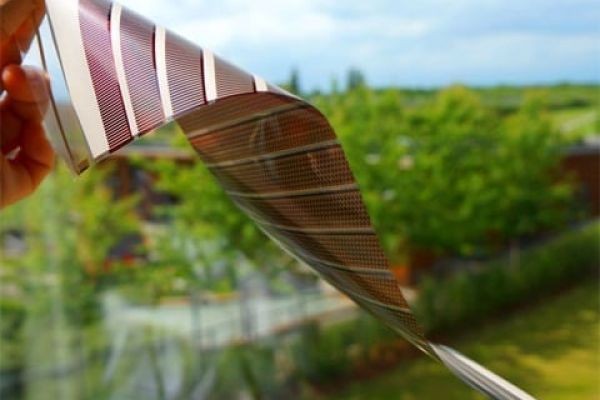
The polymer solar cells market is emerging as a promising alternative within the renewable energy sector, offering flexibility, lightweight construction, and cost-efficient manufacturing. These advantages make polymer solar cells attractive for innovative applications across industries. However, despite this potential, the market is exposed to several threats that could hinder its long-term growth and commercial success. These threats stem from technological limitations, competitive pressures, and external market forces that influence adoption and scalability.
Intense Competition from Established Solar Technologies
One of the most significant threats to the polymer solar cells market is the dominance of traditional solar technologies. Silicon-based and thin-film photovoltaic systems have a well-established presence, supported by proven efficiency, durability, and extensive infrastructure.
These technologies benefit from economies of scale and strong consumer trust, making it difficult for polymer solar cells to compete. Industries often prefer reliable and familiar solutions, which slows the adoption of newer technologies. This competitive pressure remains a major barrier to market penetration.
Technological Uncertainty and Performance Limitations
Technological uncertainty is another critical threat affecting the market. While polymer solar cells are advancing, their efficiency and long-term stability still lag behind conventional systems.
Concerns about performance consistency and reliability can deter potential users and investors. If technological improvements do not progress at the expected pace, the market may struggle to gain widespread acceptance. This uncertainty creates hesitation among stakeholders, limiting investment and innovation.
Rapid Emergence of Alternative Renewable Technologies
The renewable energy sector is highly dynamic, with continuous innovation leading to the development of new technologies. Emerging solutions such as advanced thin-film photovoltaics, perovskite solar cells, and improved energy storage systems pose a threat to polymer solar cells.
These alternatives may offer higher efficiency or better durability, attracting investment and market attention. As competition intensifies within the renewable energy space, polymer solar cells must continuously evolve to remain relevant.
Supply Chain Vulnerabilities and Material Risks
The polymer solar cells market is also vulnerable to supply chain disruptions. The production of these solar cells relies on specialized organic materials, which may be limited in availability.
Dependence on specific suppliers increases the risk of shortages and price fluctuations. Any disruption in the supply chain can impact production timelines and increase costs, affecting overall market stability. Companies must address these vulnerabilities to ensure consistent growth.
Regulatory Uncertainty and Policy Changes
Regulatory frameworks play a crucial role in shaping the renewable energy market. However, the lack of standardized guidelines for polymer solar cells creates uncertainty for manufacturers and investors.
Changes in government policies, incentives, or environmental regulations can also impact market dynamics. Inconsistent policies across regions may complicate market entry and expansion efforts. This regulatory uncertainty is a potential threat that can influence investment decisions and long-term planning.
Limited Consumer Awareness and Trust Issues
Consumer perception is another factor that poses a threat to the market. Many potential users are unfamiliar with polymer solar cell technology and its benefits.
This lack of awareness leads to skepticism and reluctance to adopt new solutions. Concerns about efficiency, durability, and reliability further contribute to trust issues. Without effective education and marketing strategies, overcoming this barrier can be challenging.
Economic Fluctuations and Investment Risks
Economic instability can significantly impact the growth of the polymer solar cells market. Fluctuations in global economies may reduce investments in renewable energy projects and delay adoption.
High initial costs associated with research and development also increase financial risk. Investors may prefer more established technologies with predictable returns, limiting funding for polymer solar innovations. This financial uncertainty can slow market progress.
Environmental Sensitivity and Product Reliability Concerns
Polymer solar cells are sensitive to environmental conditions, which can affect their performance and lifespan. Exposure to heat, humidity, and ultraviolet radiation may lead to material degradation.
These reliability concerns pose a threat to widespread adoption, particularly in regions with harsh climates. If durability issues are not adequately addressed, they may limit the use of polymer solar cells in critical applications.
Market Fragmentation and Competitive Pressure
The presence of numerous small and emerging players in the market can lead to fragmentation. While competition drives innovation, it can also create challenges in maintaining consistent quality and pricing.
Fragmented markets may struggle with standardization and brand recognition, making it harder for consumers to identify reliable products. This competitive pressure can impact profitability and slow overall market development.
Addressing Polymer Solar Cells Market Threats for Long-Term Success
Understanding polymer solar cells market threats is essential for businesses aiming to build resilience and achieve sustainable growth. By focusing on innovation, strengthening supply chains, and enhancing product reliability, companies can mitigate risks and stay competitive. Proactive strategies and continuous adaptation will be key to overcoming these threats and unlocking future opportunities.
Future Outlook
Despite these threats, the polymer solar cells market holds significant potential for growth. Ongoing advancements in technology and increasing focus on sustainability are expected to address many of the existing challenges.
Companies that invest in research, build strong partnerships, and adapt to changing market conditions will be better positioned to succeed. The ability to navigate threats effectively will determine the pace and scale of future growth.
Conclusion
The polymer solar cells market faces a range of threats that impact its development and adoption. From competition and technological uncertainty to regulatory and economic challenges, these factors shape the current landscape.
However, with strategic planning and continuous innovation, these threats can be managed effectively. As the demand for flexible and sustainable energy solutions grows, polymer solar cells have the potential to overcome these obstacles and play a vital role in the future of renewable energy.






