
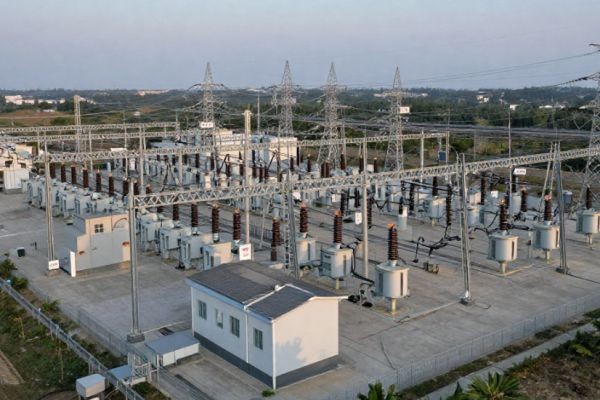
In today’s fast-evolving energy landscape, utilities face increasing pressure to deliver uninterrupted, efficient, and safe power. From growing demand to renewable integration and aging infrastructure, maintaining grid reliability is more complex than ever. This is where a power system study becomes essential. By leveraging advanced tools and techniques in electrical power system analysis, utilities can anticipate issues, optimize performance, and ensure long-term operational stability.
This article explores the importance of power system studies, their key components, and how they contribute to reliable utility operations.
What is a Power System Study?
A power system study is a comprehensive evaluation of an electrical network’s performance under various operating conditions. It involves analyzing how power flows through the system, identifying potential faults, and ensuring all components operate within safe limits.
Through electrical power system analysis, engineers simulate real-world scenarios such as peak load conditions, equipment failures, and system expansions. These simulations help utilities make informed decisions regarding system design, upgrades, and maintenance.
In simple terms, a power system study acts as a roadmap for ensuring that electricity is delivered efficiently, safely, and reliably from generation to end-users.
Why Power System Studies are Critical for Utilities
Reliability is the backbone of any utility operation. Even minor disruptions can lead to significant economic losses and safety hazards. A well-executed power system study provides several key benefits:
-
Enhanced system reliability: Identifies weak points and prevents unexpected outages
-
Improved safety: Ensures equipment operates within safe limits
-
Regulatory compliance: Meets industry standards and grid codes
-
Cost optimization: Reduces unnecessary investments and operational costs
By performing detailed electrical power system analysis, utilities can proactively address potential problems instead of reacting to failures.
Key Types of Power System Studies
Different types of studies are conducted depending on the system’s requirements. Each plays a vital role in ensuring optimal performance.
1. Load Flow Analysis
Load flow (or power flow) analysis determines how electrical power moves through the network. It calculates voltage levels, current flows, and power losses under normal operating conditions.
This study helps engineers:
-
Maintain voltage stability
-
Optimize system efficiency
-
Plan network expansions
2. Short Circuit Analysis
Short circuit analysis evaluates the system’s response to fault conditions such as line-to-line or line-to-ground faults.
It is essential for:
-
Selecting appropriate protective devices
-
Designing safe electrical systems
-
Preventing equipment damage
3. Protection Coordination Study
This study ensures that protective devices like relays and circuit breakers operate in a coordinated manner.
The goal is to isolate faults quickly while minimizing disruption to the rest of the system. Proper coordination improves both safety and reliability.
4. Arc Flash Analysis
Arc flash incidents can cause severe damage and pose serious risks to personnel. Arc flash analysis determines incident energy levels and defines safe working distances.
This study helps:
-
Improve workplace safety
-
Ensure compliance with safety standards
-
Provide proper PPE recommendations
5. Stability Analysis
Stability studies assess how the power system behaves during disturbances such as sudden load changes or generator outages.
By using electrical power system analysis, engineers can ensure the system remains stable and avoids blackouts.
Role of Electrical Power System Analysis in Modern Grids
Modern power systems are no longer simple, centralized networks. They now include renewable energy sources, distributed generation, and smart grid technologies. This complexity makes electrical power system analysis more important than ever.
Advanced analysis tools allow engineers to:
-
Simulate renewable integration (solar, wind)
-
Evaluate grid resilience under extreme conditions
-
Optimize energy distribution in real-time
-
Improve demand forecasting and load management
With digitalization and automation, power system studies are becoming faster, more accurate, and more predictive.
Benefits of Regular Power System Studies
Conducting a power system study is not a one-time task—it should be a regular part of utility operations. Continuous analysis ensures the system adapts to changing conditions.
Key benefits include:
-
Preventive maintenance: Detect issues before they escalate
-
Better asset management: Extend equipment lifespan
-
Energy efficiency: Reduce losses and improve performance
-
Scalability: Support future growth and expansion
Regular electrical power system analysis also helps utilities stay prepared for unexpected challenges, such as sudden demand spikes or equipment failures.
Best Practices for Effective Power System Studies
To maximize the benefits of a power system study, utilities should follow best practices:
-
Use accurate data: Ensure all system parameters are up to date
-
Leverage advanced software tools: Improve precision and efficiency
-
Conduct periodic reviews: Update studies as the system evolves
-
Engage experienced engineers: Expertise ensures reliable results
-
Integrate with planning strategies: Align studies with long-term goals
A well-planned approach ensures that the insights gained from electrical power system analysis translate into practical improvements.
Conclusion
In an era where reliability, efficiency, and safety are non-negotiable, a power system study is indispensable for utility operations. By utilizing comprehensive electrical power system analysis, utilities can identify risks, optimize performance, and ensure uninterrupted power delivery.
As power systems continue to grow in complexity, the importance of these studies will only increase. Utilities that invest in regular and detailed analysis will be better equipped to meet future challenges, integrate new technologies, and deliver consistent, high-quality service to their customers.
Ultimately, a power system study is not just a technical requirement—it is a strategic tool for building a resilient and reliable energy future.






