
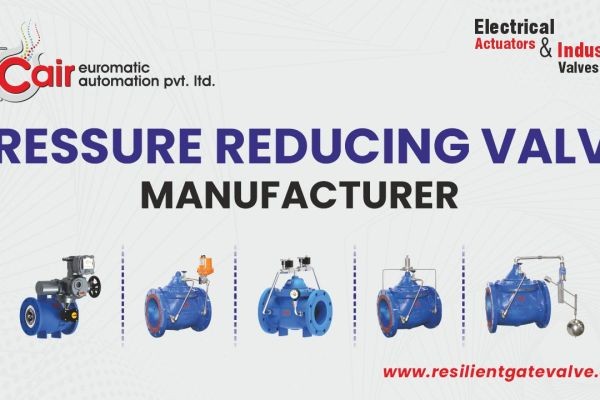
In modern water supply networks and industrial pipelines, managing pressure is just as important as controlling flow. Too much pressure can damage pipelines, fittings, and equipment, while low pressure can affect system performance. This is where pressure reducing valves play a vital role.
In this practical guide, we explain what pressure reducing valves are, how they work, where they are used, and why they are essential for water and industrial systems. Whether you are an engineer, contractor, or project planner, this guide will help you understand how to select the right solution for long-term reliability.
At cair, we design and manufacture high-quality flow control solutions that perform reliably in real-world operating conditions.
What Is a Pressure Reducing Valve?
A pressure reducing valve (PRV) is an automatic control valve that reduces high incoming pressure to a safe and consistent downstream pressure. Once set, the valve maintains the required outlet pressure even when inlet pressure or flow demand changes.
This makes PRVs essential in systems where pressure fluctuations can cause leaks, equipment failure, or unnecessary maintenance costs. A trusted Pressure Reducing Valve manufacturer focuses on accuracy, durability, and stable performance over time.
Why Pressure Control Is Important in Water & Industry
In both municipal and industrial applications, pressure levels often vary due to elevation changes, pumping operations, or fluctuating demand. Without proper pressure control, systems may face:
-
Pipe bursts and leakage
-
Damage to downstream valves and fittings
-
High energy consumption
-
Noise, vibration, and water hammer
-
Reduced service life of equipment
Pressure reducing valves solve these problems by delivering smooth and controlled pressure, protecting the entire pipeline system.
How Does a Pressure Reducing Valve Work?
A pressure reducing valve works by balancing spring force and downstream pressure.
-
High-pressure fluid enters the valve
-
A sensing mechanism detects downstream pressure
-
If pressure exceeds the set value, the valve restricts flow
-
If pressure drops, the valve opens to allow more flow
This automatic adjustment ensures stable pressure without the need for manual intervention. PRVs are often used alongside isolation and flow control valves to create a complete and reliable pipeline system.
Key Components of a Pressure Reducing Valve
A quality PRV is built with precision-engineered components that ensure long service life:
-
Valve body designed to withstand pressure variations
-
Spring or diaphragm for pressure sensing
-
Pilot or control mechanism for accurate regulation
-
Seals that prevent leakage and maintain consistency
When sourced from an experienced Pressure Reducing Valve manufacturer, these components work together to deliver dependable performance in demanding environments.
Applications in Water Supply Systems
Pressure reducing valves are widely used in water infrastructure to protect pipelines and ensure consistent supply.
Common applications include:
-
Municipal water distribution networks
-
High-rise building plumbing systems
-
Pumping stations and reservoir outlets
-
Irrigation pipelines
In such systems, PRVs often work alongside valves like the wafer type butterfly valve or Double Flanged Butterfly Valve to control isolation and flow while maintaining safe pressure levels.
Industrial Uses of Pressure Reducing Valves
Industrial pipelines handle a wide range of fluids under varying pressures. PRVs are essential in industries such as:
-
Power plants
-
Chemical processing units
-
Oil and gas facilities
-
Manufacturing and processing plants
In automated systems, pressure reducing valves are commonly integrated with motorized butterfly valve solutions to achieve precise flow and pressure control.
Integration with Butterfly Valves
Pressure reducing valves do not work alone. They are part of a complete flow control system that includes butterfly valves for isolation and regulation.
For example:
-
A Double Flanged Butterfly Valve provides strong shut-off in large pipelines
-
A wafer type butterfly valve offers compact design and easy installation
-
A motorized double flange butterfly valve enables remote and automated operation
When supplied by a Top Butterfly Valve Manufacturer, these valves ensure compatibility, efficiency, and long-term reliability when used alongside PRVs.
Benefits of Using Pressure Reducing Valves
Installing the right pressure reducing valve offers several long-term advantages:
1. Pipeline Protection
PRVs prevent excessive pressure that can cause pipe bursts, leaks, and joint failure.
2. Reduced Maintenance Costs
Stable pressure reduces wear on valves, pumps, and fittings, lowering maintenance frequency.
3. Energy Efficiency
By optimizing pressure levels, PRVs reduce pumping energy and operational costs.
4. Improved System Safety
Controlled pressure minimizes water hammer and vibration, creating a safer working environment.
5. Consistent Performance
Downstream equipment operates efficiently under steady pressure conditions.
Manual vs Automatic Pressure Reducing Valves
Pressure reducing valves are available in different operating styles depending on system requirements.
-
Manual adjustment PRVs are suitable for simple systems with stable operating conditions
-
Automatic control PRVs adjust continuously to pressure changes and are ideal for complex or high-demand systems
In modern installations, automatic PRVs are often paired with motorized valves to enable centralized control and monitoring.
How to Choose the Right Pressure Reducing Valve
Selecting the right PRV depends on several factors:
-
Inlet and outlet pressure range
-
Flow rate requirements
-
Fluid type and temperature
-
Installation location
-
Need for automation or remote operation
Working with an experienced Pressure Reducing Valve manufacturer ensures the valve is correctly sized and configured for your specific application.
Why Quality Manufacturing Matters
Not all pressure reducing valves perform the same. Poor design or low-quality materials can lead to unstable pressure, frequent failures, and high maintenance costs.
At cair, we focus on:
-
Precision engineering
-
High-quality materials
-
Reliable performance under real operating conditions
-
Compatibility with butterfly valves and other flow control products
Our valves are designed to deliver long-term value and dependable operation in both water and industrial systems.
Pressure Reducing Valves and System Automation
As water and industrial networks move toward automation, pressure reducing valves play an even bigger role. When integrated with motorized butterfly valve systems, PRVs help create smart pipelines that adjust automatically to demand changes.
This approach improves efficiency, reduces manual intervention, and enhances overall system control.
Conclusion
Pressure reducing valves are essential components in water and industrial pipelines. They protect infrastructure, improve efficiency, and ensure safe, reliable operation. When combined with high-quality butterfly valves and modern automation solutions, they form the backbone of a dependable flow control system.
Choosing the right valve from a trusted Pressure Reducing Valve manufacturer makes all the difference in long-term performance and cost savings.
At cair, we are committed to delivering practical, high-quality pressure reducing valve solutions backed by engineering expertise and industry experience. If you need help selecting the right valve for your application, our team is always ready to assist.






