
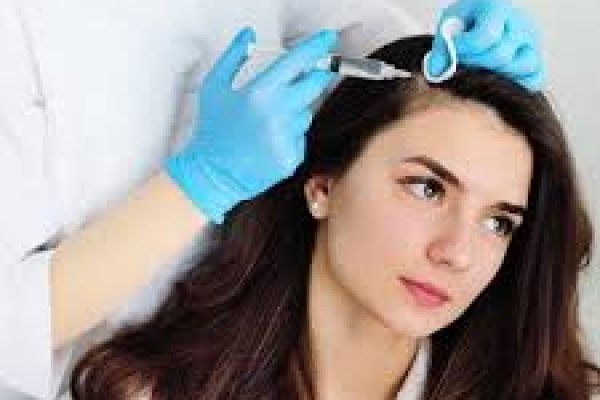
Healthy, full-looking hair can have a major influence on confidence and personal appearance. However, hair thinning, excessive shedding, and reduced density are common concerns for both men and women. Genetics, aging, hormonal changes, stress, nutritional deficiencies, and certain health conditions can all contribute to hair loss. As people look for minimally invasive ways to support healthier hair, PRP hair treatment in Abu Dhabi [https://tajmeels.ae/en/hair-transplant-in-dubai/prp-hair-treatment-abu-dhabi/] has become an increasingly recognized option.
Platelet-rich plasma, or PRP, uses components taken from the patient's own blood. A small blood sample is processed to concentrate platelets and growth-related factors. The resulting plasma is then carefully introduced into selected areas of the scalp. The goal is to provide targeted support to existing hair follicles and create an environment that may encourage healthier hair growth.
PRP is not designed to provide instant transformation. Hair grows according to a natural cycle, so improvements generally develop gradually. Understanding the procedure, possible benefits, limitations, and aftercare can help you make a more informed decision.
What Is PRP Hair Treatment?
PRP hair treatment is a minimally invasive procedure designed to support existing hair follicles. Unlike a hair transplant, it does not involve moving follicles from one part of the scalp to another.
The treatment uses a patient's own blood. After collection, the blood sample is processed to separate the platelet-rich plasma. This concentrated portion contains platelets and various growth-related substances. It is then injected into areas of the scalp affected by thinning.
The procedure is generally focused on areas where hair follicles are still present and may benefit from additional support.
How Does PRP Work for Hair Loss?
Hair follicles can become weaker or less active for numerous reasons. When follicles remain viable, targeted PRP treatment may help support their activity.
The process begins with collecting a small amount of blood. The sample is placed into a specialized processing system that separates its components. The platelet-rich portion is then prepared for use.
Small injections are administered into selected scalp areas. Platelets contain substances involved in tissue repair and cellular signaling, which is why they are used in regenerative treatments.
The objective is to support the scalp environment and existing follicles rather than immediately create new follicles.
Main Benefits of PRP Hair Treatment in Abu Dhabi
There are several reasons people consider PRP hair treatment in Abu Dhabi when exploring solutions for hair thinning.
Supports Existing Hair Follicles
PRP is intended to support follicles that are still present in areas experiencing thinning. This can make it a consideration for people in the earlier stages of certain forms of hair loss.
May Improve Hair Density
When existing follicles respond positively, patients may experience an improvement in the appearance of hair thickness and density over time.
Uses the Patient's Own Blood
PRP is prepared from the patient's own blood. This distinguishes the procedure from treatments that introduce synthetic substances into the scalp.
Minimally Invasive Approach
Unlike surgical hair restoration, PRP does not require incisions or the removal and transplantation of hair follicles.
Limited Disruption to Daily Life
Many people appreciate PRP because it generally involves less interruption to their routine than more extensive surgical procedures.
Who Can Consider PRP Hair Treatment?
PRP may be considered by adults experiencing certain forms of hair thinning or non-scarring hair loss. It can be an option for both men and women when sufficient viable follicles remain.
However, the treatment is not appropriate for every type of hair loss. Someone experiencing sudden, severe, or unexplained shedding may first need an evaluation to identify the underlying cause.
Factors that may be considered include:
- Pattern and severity of hair loss
- Scalp health
- Condition of existing follicles
- General health
- Medical and medication history
- Expectations regarding treatment
- Previous hair-loss treatments
A professional consultation is therefore an important first step.
What Happens During a PRP Session?
A typical PRP session involves several stages.
Step 1: Scalp Assessment
The treatment begins with an examination of the scalp and discussion of the patient's hair concerns. The areas of thinning are identified, and the treatment approach can be planned.
Step 2: Blood Collection
A small amount of blood is collected, usually in a similar way to a standard blood test.
Step 3: PRP Preparation
The blood sample is processed to separate the platelet-rich plasma from other components. The goal is to obtain a concentrated preparation suitable for scalp application.
Step 4: Scalp Injections
The prepared PRP is administered through small injections into selected areas of the scalp. The number and location of injections depend on the individual's treatment plan.
Step 5: Aftercare Guidance
After the procedure, patients receive instructions regarding scalp care, washing, physical activity, and other precautions.
What Does PRP Hair Treatment Feel Like?
Because PRP involves multiple small injections, some patients may experience mild discomfort during treatment. Temporary sensitivity or tenderness may occur after the session.
The level of discomfort can vary depending on individual sensitivity and the areas being treated. Patients can discuss available comfort measures during their consultation.
How Long Does It Take to See Results?
One of the most important things to understand about PRP is that results take time. Hair follicles follow a natural growth cycle, and PRP does not immediately produce visible new hair.
Some people may notice changes in hair shedding or texture before more noticeable improvements in density become apparent.
Progress can vary depending on factors such as the cause of hair loss, follicle health, age, genetics, and consistency with the recommended treatment plan.
How Many Sessions Are Usually Needed?
The number of sessions varies according to individual needs. A treatment provider may recommend a series of sessions rather than relying on a single appointment.
Treatment schedules can depend on the severity of thinning, response to previous sessions, and overall hair condition. Maintenance treatments may also be considered in some cases.
It is important to follow the personalized schedule rather than assuming that more frequent treatment will automatically produce better results.
PRP Hair Treatment Aftercare
Aftercare is an important part of the treatment process. Patients may be advised to avoid unnecessary irritation of the scalp immediately following the procedure.
General aftercare may include:
- Avoiding excessive touching or scratching of treated areas.
- Following instructions regarding when to wash the hair.
- Avoiding strenuous exercise for the recommended period.
- Protecting the scalp from excessive heat or irritation.
- Following all personalized instructions provided after treatment.
Individual recommendations may differ, so patients should follow the specific guidance given to them.
Factors That Influence PRP Results
Not everyone experiences the same outcome from PRP. Several factors can affect the response to treatment.
Cause of Hair Loss
PRP may be more appropriate for certain types of hair thinning than others. Identifying the underlying cause is therefore essential.
Follicle Condition
PRP is intended to support existing follicles. If follicles have been permanently lost in an area, PRP alone may have limited ability to restore hair there.
Age and Genetics
Genetic factors and age can influence the progression of hair loss and the potential response to treatment.
Overall Health
Nutrition, hormonal balance, stress, sleep, and general health can influence hair growth.
Treatment Consistency
Following the recommended treatment and maintenance schedule may be important when working toward longer-term improvements.
PRP Hair Treatment vs. Hair Transplantation
PRP and hair transplantation serve different purposes.
PRP aims to support existing follicles using concentrated platelet-rich plasma. Hair transplantation involves surgically moving follicles from a donor area to areas with reduced or absent hair.
Someone with early thinning may explore PRP, while a person with advanced permanent hair loss may require a different approach. In some situations, regenerative treatments and surgical restoration may be considered as complementary options.
The right choice depends on the individual's pattern of hair loss and treatment goals.
Is PRP a Permanent Solution?
PRP should not automatically be considered a permanent cure for hair loss. Hair loss can be influenced by ongoing genetic, hormonal, environmental, or lifestyle factors.
Some individuals may require maintenance sessions to continue supporting their results. A long-term hair-care strategy can also include appropriate nutrition, scalp care, and management of contributing factors.
Choosing PRP Hair Treatment in Abu Dhabi
When considering PRP hair treatment in Abu Dhabi, it is important to focus on professional assessment, appropriate treatment planning, hygiene, and realistic expectations.
A consultation should provide an opportunity to discuss the cause of hair loss, previous treatments, expected outcomes, and whether PRP is suitable.
A personalized approach can be more useful than choosing treatment based solely on general claims about hair restoration.
For people exploring professional aesthetic and hair-restoration services, Tajmeels Clinic can be considered as part of their research.
Frequently Asked Questions
Is PRP suitable for men and women?
Yes. PRP may be considered for both men and women experiencing certain forms of hair thinning when suitable follicles remain.
Can PRP regrow hair where follicles are completely gone?
PRP is primarily intended to support existing follicles. It cannot be expected to recreate follicles that have been permanently lost.
Is there downtime after PRP?
PRP is minimally invasive, and many people can return to normal activities relatively quickly. However, temporary redness, tenderness, or swelling may occur.
Can PRP stop hair loss permanently?
PRP is not guaranteed to permanently stop hair loss. The underlying cause and individual response play an important role in long-term outcomes.
When should I consider PRP?
People concerned about progressive thinning can consider an assessment early, particularly when existing follicles are still present. A professional evaluation can determine whether PRP is appropriate.
Conclusion
Understanding the treatment before making a decision is essential when considering hair restoration. PRP hair treatment in Abu Dhabi offers a minimally invasive approach that uses concentrated platelet-rich plasma from the patient's own blood to support existing hair follicles and encourage healthier-looking growth.
The procedure can be particularly appealing to people who want to explore a non-surgical approach to hair thinning. However, results vary, and PRP is not suitable for every cause or stage of hair loss. A proper scalp assessment, realistic expectations, and a personalized treatment plan are important for achieving the best possible experience.
For individuals researching professional options, Tajmeels Clinic can be considered when exploring personalized hair-restoration services and learning whether PRP may fit their specific hair goals.






