
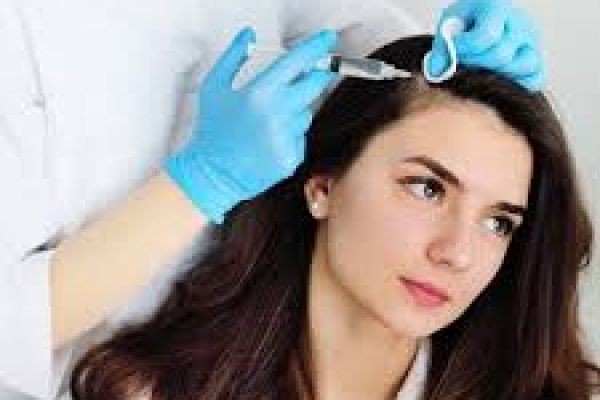
Hair loss can affect both men and women, but the pattern, severity, and underlying causes can be different. Some people notice gradual thinning, while others experience increased shedding, a receding hairline, or reduced density around the crown. When these concerns begin to affect confidence, exploring modern hair restoration options can be helpful.
PRP hair treatment in Abu Dhabi [https://tajmeels.ae/en/hair-transplant-in-dubai/prp-hair-treatment-abu-dhabi/] has become a popular minimally invasive option for people who want to support existing hair follicles without undergoing a surgical hair transplant. The treatment uses platelet-rich plasma prepared from the patient's own blood and introduces it into selected areas of the scalp.
PRP is designed to create a supportive environment for existing follicles and may help improve the appearance of thinning hair over time. However, treatment outcomes vary, and PRP is not suitable for every type or stage of hair loss.
Understanding how the treatment works, who may benefit, and what to expect can help you make a more informed decision.
What Is PRP Hair Treatment?
Platelet-rich plasma, or PRP, is a concentrated portion of blood containing platelets and plasma. Platelets naturally contain growth factors involved in the body's healing and tissue-repair processes.
During PRP hair treatment, a small blood sample is collected and processed to separate the platelet-rich portion. This preparation is then delivered into targeted areas of the scalp using small injections.
The goal is to support the condition of existing hair follicles and encourage a healthier scalp environment.
Unlike a hair transplant, PRP does not move follicles from one part of the scalp to another. It is a regenerative approach that focuses on supporting follicles that are already present.
Why Are Men and Women Choosing PRP?
PRP is appealing because it is minimally invasive and does not involve surgical removal or transplantation of hair follicles.
Men and women may consider PRP for different hair concerns.
PRP for Men
Men commonly experience hair thinning around the hairline, temples, or crown. Early intervention may be considered when there are still active hair follicles in the affected areas.
PRP may be incorporated into a broader hair restoration plan depending on the individual's hair-loss pattern.
PRP for Women
Women may experience diffuse thinning across the scalp or notice that their hair part appears wider than before. Hair density may gradually decrease without a clearly defined bald area.
PRP may be considered when the follicles remain viable and the underlying cause of thinning has been evaluated.
How Does PRP Hair Treatment in Abu Dhabi Work?
The treatment generally follows a simple process.
Step 1: Hair and Scalp Assessment
A professional assessment is performed to understand your hair-loss pattern and scalp condition. The possible cause of hair loss may also need to be considered.
This step helps determine whether PRP is appropriate.
Step 2: Blood Collection
A small amount of blood is collected from the patient.
The amount required is generally similar to what is used for a routine blood test.
Step 3: PRP Preparation
The blood sample is processed using specialized equipment to separate and concentrate the platelet-rich plasma.
The resulting preparation contains a higher concentration of platelets than ordinary blood.
Step 4: Scalp Treatment
The PRP is introduced into targeted areas of the scalp through a series of small injections.
The treatment focuses on areas where hair is thinning and viable follicles are present.
Benefits of PRP Hair Treatment
There are several reasons why people consider PRP hair treatment in Abu Dhabi.
Potential benefits include:
- Minimally invasive treatment
- Uses components from the patient's own blood
- No surgical hair transplantation
- Focuses on existing hair follicles
- May support healthier-looking hair
- Can be suitable for men and women
- Generally involves limited downtime
- Can form part of a comprehensive hair restoration plan
The outcome depends on individual factors, so results should not be considered guaranteed.
Who May Be Suitable for PRP?
PRP may be considered for individuals experiencing certain forms of early or moderate hair thinning.
A potentially suitable candidate may have:
- Noticeable hair thinning
- Reduced hair density
- Early-stage hair loss
- Existing viable follicles
- A desire for a minimally invasive treatment
- Realistic expectations about results
People with advanced baldness or severely damaged follicles may require a different approach.
For this reason, an individual assessment is essential before starting treatment.
What Causes Hair Loss?
Hair loss can have many causes. Genetics are one of the most common factors, but other conditions can contribute to thinning or shedding.
Potential causes include:
- Hereditary hair loss
- Hormonal changes
- Nutritional deficiencies
- Stress
- Certain illnesses
- Scalp conditions
- Some medications
- Major physical or emotional changes
Identifying the cause can be just as important as choosing the treatment.
PRP may support hair follicles, but addressing an underlying medical or nutritional issue may also be necessary.
What Can You Expect During Treatment?
A typical PRP session involves blood collection, preparation of the platelet-rich plasma, and targeted scalp injections.
Because the treatment involves injections, you may experience temporary discomfort or sensitivity. Some people may also experience mild redness, swelling, or tenderness after treatment.
The procedure does not generally require the type of recovery associated with surgical hair restoration.
Your provider will give you specific instructions regarding scalp care and activities after the session.
Recovery and Aftercare
PRP generally has a relatively short recovery period.
For a smooth recovery, it is important to follow the aftercare instructions provided for your individual treatment.
Depending on the recommendations, you may be advised to:
- Avoid unnecessary touching of the treated scalp
- Follow instructions regarding hair washing
- Avoid irritating scalp products temporarily
- Protect the scalp from excessive sun exposure
- Avoid strenuous activities for the recommended period
- Use only recommended hair-care products
Temporary tenderness or redness can occur and generally improves as the scalp settles.
When Will You See Results?
Hair growth is naturally slow, so PRP does not provide immediate results.
Some people may notice changes in hair shedding or texture before seeing visible improvements in density. More noticeable changes may require time and a series of treatments.
The response can depend on age, genetics, cause of hair loss, follicle condition, lifestyle, and adherence to the recommended treatment plan.
It is important to understand that PRP aims to support natural hair growth rather than instantly create new hair.
How Many Treatments Are Needed?
There is no single treatment schedule that works for everyone.
The number and frequency of sessions may depend on:
- Severity of hair loss
- Treatment goals
- Scalp condition
- Hair-growth pattern
- Response to previous sessions
- Overall health
Some individuals may receive an initial series followed by maintenance treatments.
A personalized treatment plan can help determine the most appropriate schedule.
PRP vs. Hair Transplant
PRP and hair transplantation serve different purposes.
A hair transplant physically relocates hair follicles from a donor area to areas where additional coverage is required. PRP does not relocate follicles.
PRP focuses on supporting existing follicles and may be more appropriate when thinning hair still contains viable follicles.
In some situations, different hair restoration methods may be considered together. The right approach depends on the individual's condition and goals.
Can Men and Women Have the Same PRP Treatment?
Although the basic PRP process is similar, the treatment strategy does not necessarily have to be identical.
Men and women may have different patterns and causes of hair loss. The areas treated, number of sessions, and overall restoration strategy may therefore differ.
A customized approach is more appropriate than assuming that the same treatment plan works equally well for everyone.
How to Prepare for PRP Hair Treatment
Before treatment, it can be useful to discuss your medical history, medications, allergies, scalp problems, and hair-loss history with your treatment provider.
You should also share any previous hair treatments you have received.
Good preparation helps the provider understand your circumstances and determine whether PRP is appropriate.
Frequently Asked Questions
Is PRP hair treatment suitable for both men and women?
Yes. PRP may be considered for both men and women experiencing certain types of hair thinning. Suitability depends on the cause and condition of the hair follicles.
Does PRP permanently cure hair loss?
PRP is not considered a guaranteed permanent cure for every form of hair loss. Results vary and maintenance may be recommended.
Does PRP create new hair follicles?
PRP does not transplant or create new follicles. Its purpose is to support existing follicles that may still be viable.
Is PRP a surgical procedure?
No. PRP hair treatment is minimally invasive and does not involve surgical hair transplantation.
How quickly does PRP work?
Hair growth takes time. Visible improvement generally develops gradually rather than immediately after treatment.
Conclusion
Hair thinning can affect confidence regardless of age or gender. PRP hair treatment in Abu Dhabi provides men and women with a minimally invasive option focused on supporting existing hair follicles and improving the overall appearance of thinning hair.
Understanding the cause of hair loss, evaluating the condition of your follicles, and maintaining realistic expectations are important parts of the process. PRP may be a useful component of a personalized hair restoration strategy when appropriately recommended.
For individuals exploring professional hair restoration options, Tajmeels Clinic can be considered when researching suitable treatment facilities. A thorough consultation can help you understand whether PRP aligns with your hair goals and what type of treatment plan may be appropriate.






