
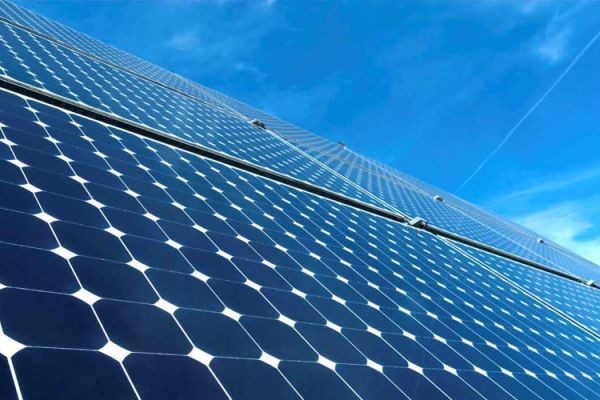
The PV solar market is experiencing significant growth across Asia, Europe, and North America, driven by technological advancements, supportive policies, and increasing demand for sustainable energy solutions. This expansion is reshaping the global energy landscape and accelerating the transition to renewable energy sources.
Asia: Dominating Global Solar Capacity
Asia continues to lead the world in solar photovoltaic (PV) installations, accounting for a substantial share of global capacity. China remains the dominant force, with record-breaking additions in recent years. In 2024, China installed a record 357 gigawatts (GW) of wind and solar power, significantly surpassing previous years and its renewable energy target for 2030 six years early. This massive deployment underscores China's commitment to renewable energy and its pivotal role in the global energy transition.
Other Asian countries are also making significant strides. India, for instance, has rapidly ascended as a global leader in solar power adoption, becoming one of fewer than 20 countries where solar farms supply at least 25% of monthly utility electricity. By the first four months of 2025, solar energy contributed 25.3% of Pakistan’s electricity, a significant leap from its fifth-place position among power sources in 2023. This surge is largely driven by a fivefold increase in solar module imports from China, growing from 3,500 MW in 2022 to 16,600 MW in 2024, with over 10,000 MW imported in early 2025 alone. Pakistan's share of China’s solar exports has soared to 12% in 2025. This expansion has transformed the country’s energy mix, making solar the dominant electricity source ahead of natural gas, nuclear, coal, and hydro. The shift toward solar aligns with Pakistan’s renewable energy goal of achieving 60% renewables in electricity by 2030. With 28% of electricity already sourced from renewables in early 2025, Pakistan appears well on its path to becoming a global solar powerhouse.
Europe: Accelerating Solar Adoption Amidst Energy Challenges
Europe has witnessed a surge in solar installations, driven by the need for energy security and sustainability. In 2024, the European Union added 66 GW of solar PV capacity, with countries like Germany, Spain, and Italy leading the charge. The rapid expansion is partly due to the energy crisis exacerbated by geopolitical tensions, prompting a shift towards renewable energy sources.
Innovative solutions such as floating solar farms and agrivoltaics are gaining traction, particularly in countries with limited land availability. These technologies enable the dual use of land for agriculture and energy production, optimizing space and resources. Additionally, policy frameworks and financial incentives continue to support the growth of solar energy, making it an attractive option for both residential and commercial sectors.
North America: Embracing Solar Energy Amidst Policy Shifts
North America, particularly the United States, has seen substantial growth in solar installations, despite facing challenges such as regulatory hurdles and policy uncertainties. The U.S. added significant solar capacity in 2024, with states like California, Texas, and Florida leading in installations. However, the market dynamics are shifting, as evidenced by the decision of Saatvik Green Energy, one of India's largest solar companies, to withdraw from the U.S. export market due to high tariffs and regulatory risks. This move highlights the complexities of international trade and the impact of policy decisions on the solar industry.
Despite these challenges, the domestic solar market remains robust, with increasing adoption in residential, commercial, and industrial sectors. The declining cost of solar panels, advancements in energy storage technologies, and supportive state-level incentives are contributing to the sustained growth of solar energy in North America.
Technological Innovations and Market Trends
Across all regions, technological advancements are playing a crucial role in the expansion of the PV solar market. Innovations in solar panel efficiency, energy storage solutions, and grid integration are enhancing the reliability and affordability of solar energy. The development of smart grids and decentralized energy systems is facilitating the integration of solar power into existing infrastructure, enabling more efficient energy distribution and consumption.
Furthermore, the growing emphasis on sustainability and environmental responsibility is driving both consumers and businesses to invest in solar energy solutions. As awareness of climate change and environmental degradation increases, the demand for clean energy alternatives continues to rise, further propelling the growth of the solar industry.
Conclusion
The PV solar market is experiencing dynamic growth across Asia, Europe, and North America, fueled by technological advancements, supportive policies, and a global shift towards sustainable energy solutions. As countries strive to meet their renewable energy targets and reduce carbon emissions, solar energy will play an increasingly pivotal role in the global energy landscape. For stakeholders in the renewable energy sector, staying informed about regional developments and market trends is essential for making strategic decisions and capitalizing on emerging opportunities in the solar industry.






