
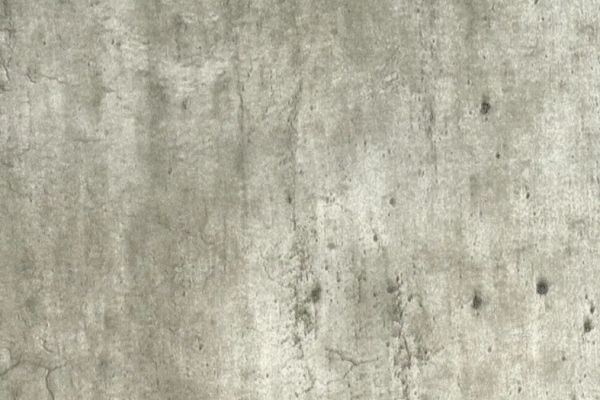
PVC furniture film occupies an interesting position in interior design — it's practical enough for industrial-scale furniture production yet accessible enough for individual renovation projects. As design trends shift and consumer expectations around aesthetics and sustainability evolve, the film itself is adapting in ways worth paying attention to.
The application process for PVC furniture film differs significantly depending on the scale and context. In furniture manufacturing facilities, membrane pressing is the standard method. A heated membrane presses the film over a panel and into routed profiles simultaneously, bonding it uniformly across complex shapes in a single operation. This process handles door fronts with beveled edges, decorative grooves, and raised details that flat lamination cannot address. The result is a wrapped surface that follows every contour of the substrate cleanly.
For renovation applications — wrapping existing cabinet doors, refreshing furniture panels, or resurfacing countertops — self-adhesive PVC furniture film offers a more accessible approach. The key to a clean result lies in surface preparation. The substrate needs to be clean, dry, smooth, and free of grease or loose particles before the film goes down. Air bubbles, lifting edges, and visible seams are almost always the result of inadequate surface preparation rather than film failure.
Design trends currently influencing PVC furniture film production include the continued expansion of matte finishes, the growth of large-format stone and concrete visual effects, and increasing demand for registered emboss textures that closely replicate natural materials. Soft-touch matte films have become particularly sought after in kitchen and bedroom furniture, offering a tactile quality that feels warmer and less plastic-like than glossy alternatives.
Sustainability questions around PVC furniture film are legitimate and worth addressing honestly. PVC production involves chlorine chemistry and historically raised concerns about plasticizer safety and end-of-life recyclability. The industry has responded with reformulated products that eliminate phthalate plasticizers in favor of safer alternatives, along with increased attention to take-back and recycling programs in some markets. Films certified to low-emission standards address indoor air quality concerns that matter especially in residential applications.
Compared to solid wood veneer, PVC furniture film offers clear advantages in moisture resistance, consistency, and cost. Veneer retains advantages in perceived luxury, repairability through sanding and refinishing, and environmental credentials when sourced responsibly. For most residential furniture applications, PVC furniture film delivers a practical, visually appealing result that suits how people actually live — which is ultimately why the material continues to grow rather than give ground.






