
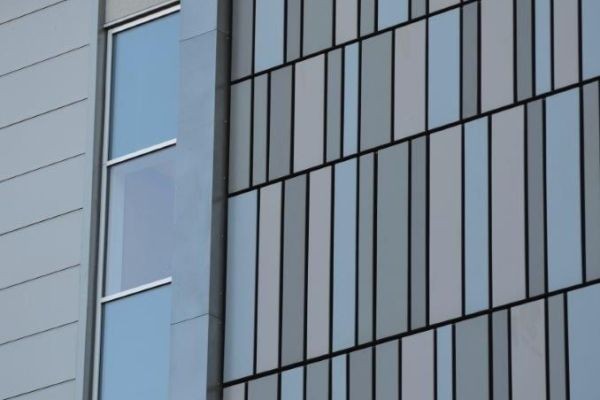
The construction industry is experiencing rapid transformation as developers, architects, and governments increasingly focus on creating buildings that are durable, energy-efficient, and environmentally responsible. Modern façade systems have become essential for enhancing building performance while meeting changing design and regulatory requirements. Rainscreen cladding has emerged as a preferred solution because it provides effective moisture management, improved insulation, and exceptional architectural versatility.
The rainscreen cladding market trends indicate that innovation, sustainability, digitalization, and urban development will continue to shape the future of the industry. As construction projects become more sophisticated, manufacturers are investing in advanced materials, efficient installation systems, and customized façade solutions to meet evolving market expectations.
Growing Adoption of Sustainable Building Materials
One of the most significant trends shaping the market is the increasing use of environmentally responsible construction materials. Governments and developers are placing greater emphasis on reducing carbon emissions and improving the environmental performance of buildings.
Manufacturers are introducing recyclable materials, low-impact production methods, and eco-friendly façade systems that support sustainable construction objectives. This trend is expected to continue as green building standards become more widely adopted across global markets.
Rising Demand for Energy-Efficient Building Envelopes
Energy efficiency continues to influence construction decisions across residential, commercial, and industrial sectors. Developers are seeking façade systems that improve insulation while reducing heating and cooling costs.
Rainscreen cladding supports thermal regulation by creating a ventilated cavity between the building structure and exterior panels. This design helps improve energy performance, making it an increasingly preferred solution for modern building projects.
Innovation in Advanced Cladding Materials
Material innovation is transforming the rainscreen cladding industry. Manufacturers are developing lightweight composite panels, high-performance metals, fiber cement boards, ceramic panels, and improved protective coatings.
These innovations enhance durability, weather resistance, fire performance, and installation efficiency while providing architects with greater design flexibility. Continuous research and development remain central to future market growth.
Increasing Integration of Digital Construction Technologies
Digital transformation is becoming an important trend throughout the construction industry. Technologies such as building information modeling, digital project visualization, automated manufacturing, and prefabrication are improving project planning and execution.
These digital tools enable greater design accuracy, reduce installation errors, and improve collaboration among architects, engineers, contractors, and manufacturers. The growing adoption of digital construction methods is strengthening industry efficiency.
Expansion of Green Building Certifications
Building owners increasingly seek certifications that recognize sustainable construction practices and energy-efficient building performance. This trend is encouraging developers to incorporate advanced façade systems that contribute to environmental objectives.
Rainscreen cladding systems support these goals by improving insulation, ventilation, and building durability, making them an attractive option for projects pursuing sustainable construction standards.
Growing Popularity of Customized Architectural Designs
Modern architecture increasingly emphasizes individuality and visual impact. Developers and architects are requesting façade systems that provide extensive customization in terms of materials, colors, finishes, textures, and installation patterns.
Manufacturers are responding by expanding product portfolios and offering project-specific solutions that combine aesthetic appeal with structural performance.
Rising Focus on Climate-Resilient Construction
Climate resilience has become an important consideration for modern buildings. Construction professionals are selecting materials capable of withstanding heavy rainfall, extreme temperatures, strong winds, and changing environmental conditions.
Rainscreen cladding systems provide effective moisture management and weather protection, making them increasingly valuable in regions experiencing challenging climate conditions.
Growth in Building Renovation and Retrofitting
Renovation and retrofit projects continue to create new opportunities for rainscreen cladding applications. Older buildings require modernization to improve energy efficiency, structural protection, and exterior appearance.
Lightweight and adaptable cladding systems simplify renovation projects while extending building lifespan. This trend is expected to remain an important contributor to future market demand.
Expansion Across Emerging Construction Markets
Developing economies are witnessing rapid urbanization, industrialization, and infrastructure investment. Increasing awareness of sustainable construction practices is encouraging greater adoption of advanced façade technologies.
Manufacturers expanding into these high-growth markets through regional production facilities, distribution partnerships, and localized product offerings are expected to benefit from increasing construction activity.






