
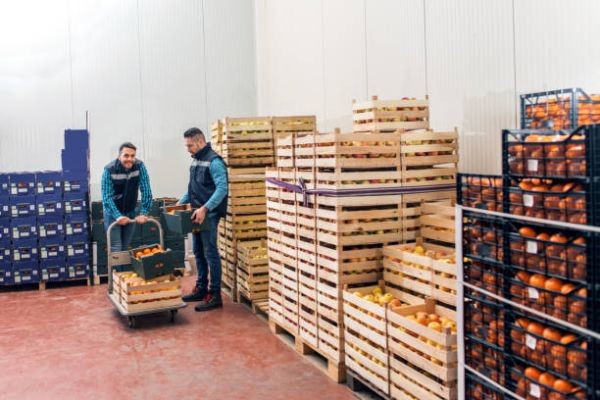
The logistics and material handling ecosystem across the Kingdom of Saudi Arabia is experiencing a rapid evolution. Driven by national Vision 2030 initiatives, massive investments in transportation infrastructure, expanding e-commerce penetration, and industrial diversification, the Saudi Arabia Pallet Market has established itself as an indispensable structural component of the nation's trade networks. From automated fulfillment hubs to high-capacity cold storage facilities, standardized load unitization solutions are essential to moving goods seamlessly across regional and international borders.
Here is a detailed, data-driven analysis of the Saudi Arabia pallet market size, core growth drivers, key market segmentation, regional insights, competitive landscape, and recent industry news shaping the sector through 2034.
Market Overview
The Saudi Arabia pallet market was valued at USD 642.75 Million in 2025.
According to latest industry data from IMARC Group, the market is projected to reach USD 987.45 Million by 2034, expanding at a steady Compound Annual Growth Rate (CAGR) of 4.89% during the forecast period from 2026 to 2034.
This sustained growth reflects Saudi Arabia's strategic transformation into a regional logistics powerhouse. Major investments in ports, airports, inland dry ports, and automated warehousing facilities - alongside growing pharmaceutical cold chains and localized manufacturing - continue to drive strong demand for high-quality, standardized pallet solutions across the Kingdom.
Key Market Growth Drivers
Several strategic investments and structural shifts are accelerating the deployment of advanced pallet systems across Saudi Arabia's supply chain network:
- Infrastructure Expansion and Logistics Modernization
Saudi Arabia's Vision 2030 transformation agenda is driving unprecedented capital investments in logistics infrastructure. These include major port expansions, airport cargo facility upgrades, and inland dry port developments that fundamentally rely on standardized material handling systems. Private and public sector investment in Saudi Arabia's transportation and logistics industry has surpassed SR 280 billion (USD 74.7 billion), accounting for 6.2 percent of the Kingdom's gross domestic product. Furthermore, jobs within the transport and storage sectors grew by 28 percent by mid-2025 compared to the previous year, adding 144,000 new positions for a total of 651,000 jobs in the sector.
- E-Commerce Proliferation and Fulfillment Network Growth
The rapid expansion of digital commerce and online retail platforms throughout the Kingdom is reshaping warehousing operations. E-commerce platforms require sophisticated fulfillment centers with pick-and-pack workflows, reverse logistics capabilities, and high-velocity inventory turnover. This shift drives high demand for specialized, lightweight, and durable pallet designs - including plastic and corrugated paper alternatives - that optimize high-frequency handling and automated storage systems.
- National Food Security Programs and Cold Chain Development
Government priorities emphasizing food security and self-sufficiency are driving investments in agricultural storage, food processing plants, and cold storage networks. Strategic food reserve programs require expansive warehousing facilities for grain storage, dried goods inventory, and emergency stockpiles that rely on food-grade, hygienic pallet solutions compliant with rigorous international food safety standards.
- Rapid Industrial Sector Expansion and Manufacturing Localization
Saudi Arabia’s Ministry of Industry and Mineral Resources granted 1,346 new industrial licenses in 2024, drawing in more than SR 50 billion (USD 13.3 billion) in fresh investments. Private sector investments in industrial cities and zones reached SR 1.9 trillion, supporting 1.09 million licensed workers with a 36 percent Saudization rate. Under national plans to revamp the industrial sector, the Kingdom aims to increase the total number of factories to 36,000 by 2035, including 4,000 fully automated facilities, generating sustained demand for standardized load-bearing pallets.
Explore in-depth findings for this market:
https://www.imarcgroup.com/saudi-arabia-pallet-market/requestsample
Key Market Segmentation
The Saudi Arabian pallet market is categorized across four primary dimensions: type, application, structural design, and region.
Breakup by Type
- Wood: Dominates the market with a commanding 54% market share in 2025. Wood pallets remain the primary choice due to their cost-effectiveness, repairability, natural load-bearing strength, and widespread availability. Their dominance is further supported by an expanding local pallet recycling and refurbishment sector.
- Plastic: Experiencing high growth due to superior durability, weather resistance, hygienic properties, and suitability for automated cold storage and pharmaceutical handling.
- Metal: Preferred for heavy-duty industrial applications, extreme load environments, and high-temperature construction material transport.
- Corrugated Paper: Gaining traction for lightweight, one-way air freight shipments and eco-friendly logistics initiatives.
Breakup by Application
- Food and Beverages: Leads the market with a 39% market share in 2025. High consumption is driven by retail modernization, expanding supermarket networks, bottled water production, cold chain logistics, and stringent hygienic standards for perishable food handling.
- Chemicals and Pharmaceuticals: Requires specialized chemical-resistant or hygiene-certified pallets for safe transport and storage.
- Machinery and Metal: Utilizes heavy-duty structural pallets for heavy component movement.
- Construction: Driven by massive infrastructure and building material transport across giga-projects.
- Others
Breakup by Structural Design
- Block: Exhibits clear market dominance with a 56% market share in 2025. Block pallets offer four-way entry for forklifts and pallet jacks, maximizing handling flexibility, warehouse space utilization, and compatibility with high-throughput automated storage and retrieval systems (ASRS).
- Stringer: Widely used two-way or partial four-way entry structural designs suitable for standard unit transport.
- Others
Breakup by Region (Regional Distribution Across Saudi Arabia)
Pallet demand is distributed across four core geographic zones in the Kingdom:
- Northern and Central Region: Leads the national market with a 48% market share in 2025. Anchored by Riyadh, the region serves as Saudi Arabia's commercial and governmental nerve center, housing major distribution hubs, corporate headquarters, expanding airport freight terminals, and government procurement activities.
- Western Region: Driven by major port operations at Jeddah Islamic Port, airport cargo centers, and expanding trade corridors serving Mecca and Medina.
- Eastern Region: Supported by large industrial clusters in Jubail and Dammam focused on petrochemicals, heavy manufacturing, and energy logistics.
- Southern Region: An emerging regional market benefiting from infrastructure expansion and regional distribution network development.
Ask For Report Customization:
https://www.imarcgroup.com/request?type=report&id=20896&flag=E
Competitive Landscape: Key Market Players
The market features established local manufacturers, international suppliers, and specialized recycling enterprises competing on material quality, sustainability features, custom engineering, and load capacity.
Prominent key players driving the market include:
- Al Moajil Holding
- Al Rashed Wood Products Factory
- AlDhana Wood Industries Factory
- KraftPal Technologies
- PalletBiz
- RePall
Recent News & Strategic Developments
- Q3 2025 Trade Growth: According to the General Authority for Statistics, Saudi Arabia's total international trade reached SR 540.5 billion (USD 144.3 billion) in the third quarter of 2025, representing an annual increase of 8.6 percent (SR 43 billion). Merchandise exports accounted for SR 303.3 billion (56.1%), while imports reached SR 237.2 billion (43.9%), generating a trade surplus of SR 66.1 billion and driving significant pallet turnover across import-export gateways.
- May 2025 Technology Showcase: Acme showcased its high-throughput pallet storage systems at the Saudi Warehousing & Logistics Expo at the Riyadh International Convention & Exhibition Center, highlighting automated handling solutions for high-density logistics facilities.
- Major Logistics Park Construction: DP World and the Saudi Ports Authority (Mawani) initiated construction on an SR 900 million (USD 250 million) integrated logistics park at Jeddah Islamic Port. Spanning 415,000 square meters with 185,000 square meters of warehouse space, the facility will accommodate over 390,000 pallet slots, drastically boosting the Kingdom's storage and distribution throughput.
About Us:
IMARC Group is a global management consulting firm that helps the world's most ambitious changemakers to create a lasting impact. The company provide a comprehensive suite of market entry and expansion services. IMARC offerings include thorough market assessment, feasibility studies, company incorporation assistance, factory setup support, regulatory approvals and licensing navigation, branding, marketing and sales strategies, competitive landscape and benchmarking analyses, pricing and cost research, and procurement research.
Contact Us:
IMARC Group‚
134 N 4th St‚ Brooklyn‚ NY 11249‚ US
Email: sales@imarcgroup․com
Tel No: (D) +91 120 433 0800
United States: (+1–201–971–6302)






