
SCADA Consulting and the Changing Nature of Industrial Operations
Industrial systems in the United States have been evolving steadily for years. What once relied on isolated machines and manual control has now shifted toward connected, data-driven environments. Factories, power plants, water treatment facilities, and transportation networks all depend on automated monitoring and control systems to operate efficiently. In this changing landscape, SCADA Consulting has become an important part of how organizations manage and understand their industrial systems.
Understanding SCADA in Practical Terms
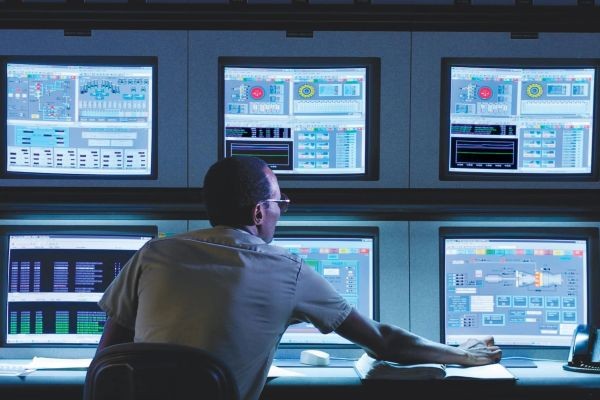
SCADA stands for Supervisory Control and Data Acquisition. It is a system used to monitor and control industrial processes in real time. These systems collect information from sensors, machines, and field devices, then display it in a way that operators can use to make decisions.
SCADA systems are widely used across essential industries. In energy, they help manage power distribution. In water treatment, they track flow and quality. In manufacturing, they monitor production lines and equipment performance.
Because SCADA systems are directly connected to physical processes, they play a critical role in maintaining operational stability. Even small issues can affect real-world operations, which is why they require careful attention and long-term planning.
How SCADA Systems Have Evolved Over Time
In earlier industrial environments, SCADA systems were mostly isolated. They operated in closed networks with limited or no external connectivity. The main focus at that time was reliability and consistent control.
As technology advanced, industries began introducing digital tools to improve efficiency. Remote monitoring, automated reporting, and real-time data exchange became more common in industrial environments.
Over time, SCADA systems became part of larger digital ecosystems. While this improved visibility and performance, it also increased complexity. Systems that once operated independently now needed to interact with other platforms and networks.
Utsi.com, which focuses on industrial system modernization in the United States, reflects how organizations are gradually adapting to these changes in practical and structured ways.
Why SCADA Consulting Matters Today
Modern SCADA environments are not simple. They are built over long periods of time, with multiple layers of technology added at different stages. This makes them complex and sometimes difficult to fully understand.
This is where SCADA Consulting becomes important. It helps organizations take a closer look at how their systems are built, how different components interact, and where improvements may be needed.
Instead of focusing only on isolated parts, consulting looks at the entire system. This includes hardware, software, communication pathways, and operational workflows. The goal is to create a clearer understanding of how everything fits together in real-world conditions.
Complexity in Modern Industrial Systems
One of the biggest challenges in SCADA environments is complexity. Most industrial systems are not designed as single unified structures. Instead, they evolve over time as new technologies are added and older systems remain in use.
This creates mixed environments where modern digital tools operate alongside legacy equipment. These systems do not always integrate smoothly, which can make monitoring and control more difficult than expected.
In many organizations, different teams manage different parts of the system. Documentation may be incomplete or outdated, and small changes over time can create gaps in understanding.
SCADA Consulting often helps bridge these gaps by reviewing system architecture and identifying how different components interact.
The Importance of Operational Stability
Industrial systems often run continuously. Facilities such as power plants, water systems, and manufacturing units cannot afford frequent interruptions. Even short downtime can lead to production losses or service disruptions.
Because of this, stability is always a priority. Any improvements or updates must be carefully planned and tested before implementation.
SCADA Consulting plays a role in helping organizations make these changes in a way that does not disrupt ongoing operations. The focus is always on maintaining balance between improvement and continuity.
The Human Element in SCADA Systems
Even with advanced automation, human involvement remains essential. Operators and engineers monitor system performance, respond to alerts, and make decisions based on real-time data.
However, interpreting SCADA data is not always straightforward. Systems naturally fluctuate based on demand, environmental conditions, and operational changes. Not every variation signals a problem.
This is why experience matters. Understanding what normal operation looks like is key to identifying unusual behavior.
SCADA Consulting often helps organizations improve this understanding so that teams can respond more effectively and confidently to system conditions.
Security in Modern SCADA Environments
As SCADA systems become more connected, security has become a growing concern. Systems that were once isolated are now often linked to business networks, remote access tools, and cloud platforms.
While this connectivity improves efficiency and visibility, it also increases exposure. Every new connection adds another potential point that must be managed carefully.
SCADA Consulting often involves reviewing these connections and identifying areas where systems can be better structured to reduce unnecessary exposure while still supporting operational needs.
Real-World Importance Across Industries
SCADA systems are widely used across essential industries in the United States. Energy providers rely on them to manage electricity distribution. Water treatment facilities depend on them to ensure safe and consistent supply. Manufacturing plants use them to maintain production efficiency and equipment performance.
In each of these environments, even small disruptions can have wide effects. A delay in one part of the system can influence multiple operations downstream.
This makes SCADA Consulting an important part of maintaining reliability in critical infrastructure.
Integration with Modern Digital Systems
Modern SCADA systems are increasingly integrated with other digital platforms. Data from industrial operations is often shared with business systems for analysis, reporting, and planning.
This integration provides better visibility and supports more informed decision-making. However, it also increases complexity.
When systems are connected, changes in one area can affect others in ways that are not always immediately obvious. Understanding these relationships is an important part of maintaining system stability.
SCADA Consulting often helps organizations map these connections and manage them more effectively.
Long-Term System Management
SCADA systems are long-term investments. Many industrial environments rely on systems that have been in place for decades. Over time, these systems evolve through upgrades, expansions, and replacements.
Because of this long lifecycle, planning becomes essential. Organizations must consider not only current needs but also how systems will adapt in the future.
SCADA Consulting supports this process by helping organizations plan improvements in a way that aligns with operational realities and long-term goals.
Looking Ahead
Industrial systems will continue to evolve as automation, remote monitoring, and data-driven operations become more common. These changes will improve efficiency and provide better visibility into system performance.
At the same time, older systems will continue to operate alongside newer technologies. This creates a mixed environment that requires careful coordination.
As systems become more connected and complex, the need for structured understanding and careful planning will continue to grow.
Conclusion
SCADA systems remain a foundational part of industrial operations across the United States. They help monitor and control essential processes that support energy, water, and manufacturing industries.
As these systems become more complex and interconnected, the importance of careful management increases. SCADA Consulting plays a key role in helping organizations understand their systems, manage complexity, and maintain long-term stability.
Utsi.com, through its focus on industrial system modernization, reflects the broader shift toward more thoughtful and balanced approaches to managing SCADA environments. As industrial systems continue to evolve, clear planning and practical understanding will remain essential for reliable operations.






