
Signage Brisbane: Why Good Signage Still Matters for Businesses
Walk through any busy commercial area and one thing becomes obvious very quickly—signs are everywhere. From shopfront displays and office directories to vehicle graphics and construction boards, signage plays a quiet but important role in helping people find places, understand information, and recognize businesses.
In a growing city like Brisbane, where new businesses continue to emerge and established companies compete for attention, signage remains one of the simplest ways to create visibility in the physical world. While digital marketing receives much of the spotlight today, traditional signs continue to serve an important purpose that technology alone cannot replace.
A well-designed sign often creates the first impression a customer has of a business. Long before someone speaks with a staff member or visits a website, they may notice a sign outside a building or on a company vehicle. That first visual interaction can influence how people perceive a brand.
The Role of Signage in Everyday Business
Signage serves many functions beyond displaying a company name. It provides information, guides visitors, promotes safety, and helps businesses communicate important messages.
For retail stores, signs help attract foot traffic and make locations easier to identify. In office buildings, directional signage helps visitors navigate unfamiliar spaces. Industrial facilities often rely on signs for safety instructions and operational guidance.
Without clear signage, customers can become confused or frustrated. Even businesses offering excellent products or services may struggle if people have difficulty locating them.
In many cases, effective signage simply makes everyday interactions smoother. People appreciate clear directions and easy-to-read information, especially when visiting a location for the first time.
Why Design Matters
Not all signs deliver the same results. The effectiveness of a sign often depends on its design.
A sign should be readable from an appropriate distance and communicate its message quickly. Most people spend only a few seconds looking at signage, which means information needs to be presented clearly.
Factors such as font size, spacing, color contrast, and layout all contribute to readability. A sign packed with too much information can become difficult to understand, while an overly simple design may fail to communicate essential details.
Professional design also helps create consistency across different forms of signage. When businesses use similar colors, typography, and visual elements across multiple signs, customers are more likely to recognize and remember them.
Outdoor Signage and Visibility
Outdoor signage often works around the clock. Unlike many advertising methods that require ongoing spending, a physical sign can continue providing visibility every day.
In busy commercial districts, outdoor signs help businesses stand out among neighboring shops and offices. They can also help people locate businesses while driving or walking through an area.
Weather conditions, sunlight exposure, and viewing distance all influence the effectiveness of outdoor signage. Materials need to withstand local environmental conditions while maintaining their appearance over time.
Businesses operating in Brisbane frequently consider durability when selecting outdoor signs due to the region's varying weather patterns throughout the year.
Vehicle Signage as Mobile Branding
One increasingly common form of signage is vehicle graphics. Company vehicles travel throughout suburbs, industrial zones, and commercial areas, allowing businesses to gain exposure in multiple locations.
Vehicle signage can range from simple logos and contact details to full wraps covering large portions of a vehicle. Because vehicles naturally move through communities, they often generate awareness without requiring additional advertising activity.
Many service-based businesses use vehicle graphics to create a more professional appearance while making it easier for customers to identify staff arriving at a location.
Interior Signage Creates Better Experiences
While outdoor signs help attract attention, interior signage improves the customer experience after someone enters a building.
Reception signs, directional displays, wall graphics, and informational signs help visitors feel more comfortable and confident navigating a space.
Hospitals, educational institutions, shopping centers, and office complexes often depend heavily on internal signage systems. Without clear directions, visitors can easily become lost or confused.
Good interior signage reduces uncertainty and helps create a more organized environment. Even small details such as room labels and directional arrows contribute to a smoother experience.
The Importance of Consistency
One aspect of signage that is sometimes overlooked is consistency. Businesses often use multiple signs across different locations and applications.
When designs vary significantly, it can create confusion and weaken brand recognition. Consistent signage helps reinforce identity and creates a more professional appearance.
This consistency applies to colors, logos, fonts, and messaging. Customers who see matching visual elements across different signs are more likely to associate them with the same business.
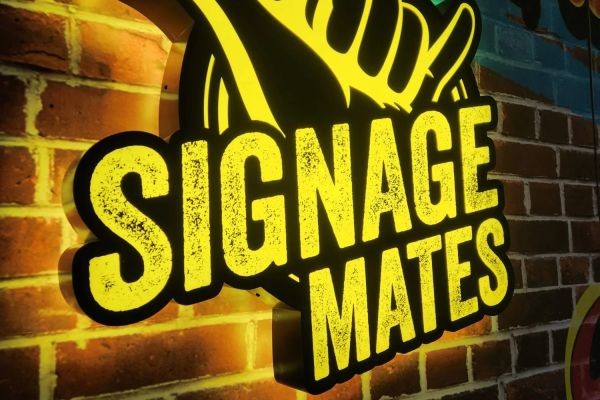
Companies that work with signage providers such as Signagemates often focus on maintaining this consistency across various sign types and locations.
Signage and Local Communities
Signs contribute to more than individual businesses. They also shape the appearance and character of local communities.
Retail strips, shopping centers, business parks, and entertainment districts all develop distinct visual identities influenced by their signage. Well-designed signs can contribute positively to an area's atmosphere, while poorly maintained signage may have the opposite effect.
Local councils frequently establish guidelines for signage to help balance business visibility with community aesthetics. These regulations often address factors such as size, placement, lighting, and safety.
Businesses considering Signage Brisbane solutions generally need to ensure that designs align with relevant local requirements.
Technology and Modern Signage
Although traditional signs remain important, modern technology has expanded the possibilities available to businesses.
Digital displays can provide dynamic content that changes throughout the day. Interactive wayfinding systems help visitors navigate large facilities. Advances in printing technology have also improved image quality and material durability.
Despite these developments, the core purpose of signage remains largely unchanged. Whether printed on a storefront, displayed digitally, or installed inside a building, the goal is still to communicate information clearly and effectively.
Technology simply provides additional tools for achieving that objective.
Looking Ahead
As cities continue to grow and businesses compete for attention, signage is likely to remain a valuable part of the commercial landscape. Physical signs provide something digital channels cannot fully replicate—a visible presence in the real world.
For customers, signs offer convenience and clarity. For businesses, they provide identification, communication, and visibility. When thoughtfully designed and properly maintained, signage continues to serve practical purposes that extend far beyond advertising.
In a city as active and diverse as Brisbane, effective signage helps connect people with places, businesses, and information every day. Whether installed outside a storefront, displayed inside an office, or placed on a vehicle, signs remain an important part of how communities function and how businesses are discovered.






