
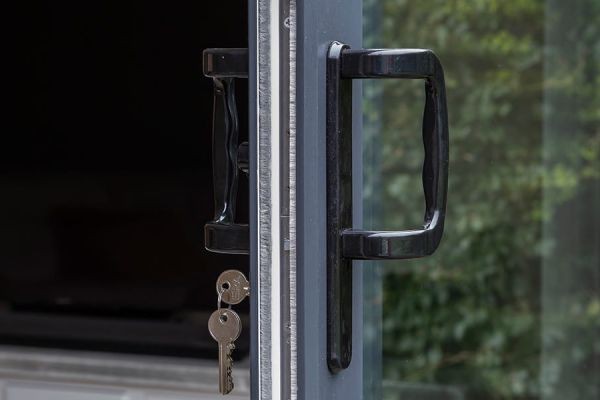
A door lock is one of the most important security parts of any home, apartment, villa, office, shop, or rental property. Most people only think about changing a lock when it completely stops working. But in many cases, a lock gives clear warning signs before it fails. If these signs are ignored, the problem can lead to a broken key, emergency lockout, damaged door, or security risk.
Door lock change is not always needed. Sometimes a lock can be repaired, cleaned, adjusted, or rekeyed. However, when the lock is old, damaged, loose, unreliable, or no longer secure, expert door lock change services [https://www.keymakerdubai.com/residential-locksmith-services/lock-change-dubai] may be the safer option.
Knowing when to replace a lock helps protect your property and prevents small issues from turning into bigger problems.
1. Your Lock Is Old and Unreliable
Old locks can become weak over time. Even if the lock still opens and closes, the internal parts may be worn. A lock used daily for many years can lose smooth movement and become less dependable.
Common signs of an old lock include:
-
Key turns roughly
-
Lock works only after several attempts
-
Cylinder feels loose
-
Handle feels weak
-
Lock makes grinding sounds
-
Door needs pressure to close
-
Key gets stuck sometimes
If an old lock keeps causing problems, repeated repair may not be worth it. Replacing it with a stronger and better-fitted lock can improve security and daily convenience.
2. The Key Keeps Getting Stuck
A key should enter and come out of the lock smoothly. If it gets stuck often, the lock may have internal wear, dust buildup, damaged pins, or cylinder problems.
Many people try to force the key out. This can break the key inside the lock and create an emergency situation. If the key gets stuck once, it may be a minor issue. But if it happens repeatedly, the lock should be checked.
If cleaning or repair does not solve the issue, a full lock change may be the better option.
3. The Key Is Hard to Turn
A stiff key is one of the most common lock problems. Sometimes the issue is the key itself, especially if it is bent, worn, or badly copied. But if every key is hard to turn, the lock is likely the problem.
A hard-turning key can be caused by:
-
Worn cylinder
-
Dry internal parts
-
Dust inside the keyway
-
Door alignment pressure
-
Damaged latch
-
Old lock mechanism
If the lock needs force every day, it can damage the key and cylinder. Over time, the key may bend or break. If the lock continues to feel stiff even after repair, replacement may be needed.
4. The Lock Feels Loose
A loose lock is not just an inconvenience. It can reduce security. If the cylinder moves when you insert the key, the lock plate shifts, or the handle feels shaky, the lock may not be sitting firmly in the door.
Loose locks can happen because of worn screws, damaged door material, poor installation, heavy use, or old hardware. Sometimes tightening the screws may help, but if the lock body or cylinder is damaged, replacement is safer.
A strong lock should feel stable. If it moves during use, expert door lock change services may be required.
5. The Door Needs Pressure to Lock
If you need to push, pull, lift, or press the door before locking it, the issue may be door alignment. The latch or bolt may not be lining up correctly with the strike plate.
At first, this may seem like a door problem. But if the lock has been under pressure for a long time, the latch, cylinder, and lock body may become damaged.
Signs of alignment-related lock damage include:
-
Key works when the door is open but not closed
-
Door needs lifting to lock
-
Latch scrapes against the strike plate
-
Lock feels tight when the door is shut
-
Handle needs force
-
Door rubs against the frame
If adjustment is no longer enough, changing the lock may be needed to restore smooth operation.
6. The Key Turns but the Door Does Not Open
If the key turns but the door remains locked, the problem is usually inside the lock mechanism. The key may be working, but the latch, spindle, handle connection, or lock body may be damaged.
This is a serious warning sign because the lock can fail completely at any time. A new duplicate key will not solve the problem if the internal mechanism is broken.
In this case, the lock should be inspected quickly. Depending on the condition, repair may be possible, but replacement is often safer if the lock body is worn or damaged.
7. The Lock Was Forced or Damaged
If someone tried to force, pick, or damage your lock, you should not continue using it without inspection. Even if the lock still works, internal parts may be weakened.
Warning signs include:
-
Scratches around the keyhole
-
Bent cylinder
-
Loose lock plate
-
Broken handle
-
Door frame marks
-
Keyway damage
-
Lock turning unevenly
A damaged lock may not provide proper security. In many cases, expert door lock change services [https://www.keymakerdubai.com/residential-locksmith-services/lock-change-dubai] are recommended after attempted forced entry or visible lock damage.
8. You Lost Your Main Door Key
Losing a key can create a serious security concern. If the lost key belongs to the main door and could be found or used by someone else, making another copy from a spare key may not be enough.
You should consider lock change if:
-
The key was lost near your property
-
The key had an address tag
-
The key was inside a stolen bag
-
The key belongs to a main entrance
-
You do not know where the key went
-
The property contains valuable items
Sometimes rekeying can solve the issue if the lock is in good condition. But if the lock is old or weak, replacing it gives better peace of mind.
9. You Recently Moved Into a New Property
When moving into a new apartment, villa, office, or rental property, the lock may look fine. But the real question is: who still has old key copies?
Old keys may be with previous tenants, agents, cleaners, contractors, maintenance workers, staff, or unknown spare key holders. Even if all keys are handed over, there is no guarantee that extra copies do not exist.
Changing the lock after moving in gives you fresh access control. It ensures old keys no longer work and only authorised people can enter.
10. Too Many People Have Key Copies
Over time, keys are often copied and shared. Family members, tenants, staff, cleaners, drivers, contractors, and maintenance workers may all receive keys. After some time, it becomes difficult to know how many copies exist.
This is common in:
-
Rental apartments
-
Villas
-
Shared homes
-
Offices
-
Shops
-
Staff rooms
-
Storage rooms
If access is no longer controlled, lock change is a practical security step. It resets access and removes uncertainty.
11. Staff or Tenant Access Has Changed
For offices, shops, villas, rental homes, and commercial spaces, access changes happen often. Employees leave, tenants move out, cleaners change, and contractors finish their work.
Even if keys are returned, copies may still exist. Changing the lock helps protect the property when access history is unclear.
This is especially important for main doors, staff rooms, storage rooms, office cabins, and rental units.
12. The Lock Has Been Repaired Too Many Times
If the same lock keeps needing repair, replacement may be more practical. Repeated repairs can become costly and may only delay full failure.
A lock that keeps failing may have deep internal wear, poor fitting, or outdated hardware. In this case, expert lock change can provide a longer-term solution.
Repair is useful when the lock is still strong. But when the lock no longer stays reliable, replacement is usually better.
13. You Want Better Security
Sometimes a lock change is not because the old lock is broken. It may be because you want stronger security or better access control.
You may upgrade from:
-
Basic lock to stronger cylinder
-
Old handle lock to modern lockset
-
Standard lock to high-security lock
-
Traditional lock to smart lock
-
Weak room lock to stronger access lock
For homes, offices, villas, and rental properties, a lock upgrade can improve both safety and convenience.
14. You Want to Install a Smart Lock
Many people now replace old locks with smart locks. Smart locks can offer password, card, fingerprint, app access, temporary codes, and backup keys.
Smart locks are useful for:
-
Apartments
-
Villas
-
Offices
-
Rental properties
-
Staff rooms
-
Holiday homes
However, smart lock installation must be done properly. Door thickness, material, alignment, and lock position must be checked before fitting. If the existing lock is old or incompatible, replacement may be needed before smart access can work smoothly.
Repair, Rekey or Replace?
Not every lock problem needs full replacement. Sometimes repair or rekeying is enough.
Repair may be suitable when the lock is slightly stiff, loose, dirty, or misaligned but still in good condition.
Rekeying may be suitable when the lock works properly but old keys should no longer work.
Replacement is better when the lock is old, damaged, unreliable, loose, or no longer secure.
The right choice depends on lock condition, key history, door alignment, and security needs.
Why Expert Door Lock Change Services Matter
Changing a lock is not only about removing the old lock and installing a new one. The new lock must fit correctly, align with the latch and strike plate, and work smoothly without damaging the door.
Expert installation helps with:
-
Choosing the right lock
-
Checking door compatibility
-
Measuring door thickness
-
Clean lock fitting
-
Proper latch alignment
-
Secure cylinder placement
-
Smooth key operation
-
Avoiding door damage
-
Testing the lock after installation
Poor installation can cause a new lock to become stiff, loose, or unreliable. That is why proper fitting matters as much as the lock itself.
Final Thoughts
You may need expert door lock change services if your lock is old, loose, damaged, unreliable, or no longer secure. Warning signs such as a stuck key, stiff turning, loose cylinder, damaged lock, lost keys, unclear key history, or repeated repairs should not be ignored.
Sometimes repair or rekeying is enough. But when the lock can no longer provide reliable protection, replacement is the safer choice.
A good door lock should work smoothly, feel stable, and give confidence every time you close the door. If your lock no longer does that, it may be time to change it before a small issue becomes a serious security problem.






