
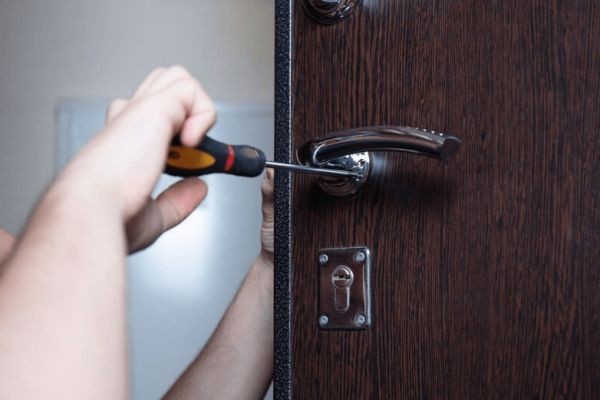
Door locks are one of the most important security features in any home, apartment, villa, office, or rental property. They are used daily, often without much attention, until something starts to feel wrong. A small issue like a stiff key or loose handle may seem harmless at first, but it can quickly turn into a serious security problem if ignored.
Knowing the early warning signs of lock problems can help you avoid emergency lockouts, costly repairs, or even security risks. In many cases, a door lock does not fail suddenly—it gives clear signs that professional attention is needed.
In this guide, we will explain the most common signs that your door lock needs professional attention and why calling a locksmith early is always the safer choice.
1. The Key Feels Hard to Turn
One of the first signs of a problem is when the key becomes difficult to turn in the lock.
A smooth lock should allow the key to turn easily without force. If you feel resistance, grinding, or stiffness, it may indicate:
- Dirt or dust inside the cylinder
- Worn internal pins
- Misalignment between door and frame
- Dry or damaged lock mechanism
In Dubai, dust and heat can affect locks over time, especially on external doors. If ignored, a stiff key can eventually lead to a broken key inside the lock or a complete lock failure.
If you notice this issue repeatedly, it is a clear sign that your door lock needs professional attention.
2. The Key Gets Stuck Frequently
A key that gets stuck in the lock is a serious warning sign. It should not be ignored, even if it happens only once in a while.
This problem can occur due to:
- Damaged or worn key
- Internal cylinder damage
- Poor key duplication
- Misaligned lock mechanism
Many people try to force the key out, which can make the situation worse. The key may break inside the lock, leading to an emergency situation.
If your key gets stuck more than once, you should immediately consider calling a locksmith.
3. The Lock Feels Loose or Unstable
A properly installed lock should feel solid and stable. If the lock cylinder or handle feels loose, it may indicate internal damage or weak installation.
Signs include:
- Cylinder moves when key is inserted
- Handle shakes or feels unstable
- Lock plate is not firmly attached
- Door feels less secure when locked
A loose lock is not just inconvenient—it is a security risk. It may become easier to force open or fail completely under pressure.
This is a strong sign that your door lock needs professional inspection.
4. Difficulty Locking or Unlocking the Door
If you need extra effort to lock or unlock the door, something is wrong.
Common symptoms include:
- Door only locks after multiple attempts
- Key must be wiggled to work
- Lock only works when door is pushed or lifted
- Lock feels inconsistent
This usually indicates alignment issues or internal wear. While minor adjustments may help, repeated difficulty means the lock system is failing.
Professional repair or replacement may be required.
5. The Door Needs Pressure to Close Properly
If your door only locks when you push, pull, or lift it, the issue may be alignment—but it can also affect the lock itself.
Over time, this pressure can damage:
- Latch mechanism
- Strike plate
- Cylinder alignment
- Door frame
In Dubai homes and villas, heat can cause door frames to expand or shift slightly, affecting alignment.
If locking requires force, it is a clear sign that professional attention is needed before the problem gets worse.
6. Strange Sounds From the Lock
A healthy lock should operate quietly. If you hear grinding, scraping, clicking, or unusual resistance sounds, it is a warning sign.
These sounds may indicate:
- Internal wear and tear
- Lack of lubrication
- Dust accumulation
- Misaligned components
Ignoring these sounds can lead to internal damage and eventual lock failure.
A locksmith [https://www.keymakerdubai.com/locksmith] can inspect and fix the issue before it becomes serious.
7. The Key Turns but the Door Does Not Open
This is one of the most frustrating lock problems. If the key turns but the door does not open, the issue is usually inside the lock mechanism.
Possible causes include:
- Broken latch
- Internal mechanism failure
- Loose spindle connection
- Damaged lock body
This situation often requires immediate professional help because forcing the lock can make the damage worse.
8. The Lock Has Been Forced or Damaged
If your lock shows signs of forced entry or damage, it should be checked immediately.
Warning signs include:
- Scratches around keyhole
- Bent lock parts
- Loose cylinder
- Damage around door frame
- Visible tampering marks
Even if the lock still works, internal components may be weakened.
A damaged lock reduces your property’s security and should be repaired or replaced as soon as possible.
9. The Key Is Worn or Damaged
Sometimes the problem is not the lock but the key itself. A worn key can cause multiple issues:
- Difficulty turning
- Rough movement inside lock
- Key getting stuck
- Inconsistent locking
If multiple copies of the key show the same issue, the lock may also be worn.
A locksmith can determine whether the issue is key-related or lock-related.
10. Frequent Lock Problems
If you are repeatedly facing issues with your door lock, it is a sign that the system is failing.
Common repeated problems include:
- Constant sticking
- Loose handle
- Alignment issues
- Key difficulty
Temporary fixes may work for a short time, but repeated problems indicate that repair is no longer enough.
11. Lock Is Very Old
Old locks naturally become less reliable over time. Even if they still function, internal components weaken.
Old locks may show:
- Rough key movement
- Reduced security
- Frequent issues
- Loose internal parts
In such cases, professional inspection is recommended to decide whether repair or replacement is needed.
12. Smart Lock Problems
For smart locks, additional signs include:
- Fingerprint not recognized
- PIN not working properly
- Battery draining quickly
- App connection issues
- Lock not responding consistently
Smart locks combine mechanical and electronic systems, so both aspects must be checked.
Professional installation and repair are essential for reliable performance.
Why You Should Not Ignore These Signs
Ignoring early warning signs can lead to:
- Emergency lockouts
- Broken keys inside locks
- Higher repair costs
- Security risks
- Complete lock failure
A small issue today can become a serious problem tomorrow.
When to Call a Locksmith
You should contact a professional locksmith if:
- The key keeps sticking or jamming
- The lock feels loose or unstable
- The door is difficult to lock or unlock
- The lock shows visible damage
- The issue keeps repeating
A locksmith can inspect the lock, identify the root cause, and recommend whether repair or replacement is needed.
Final Thoughts
Your door lock is the first line of defense for your property. It should always work smoothly, securely, and reliably. Any change in performance—no matter how small—should not be ignored.
Most lock problems start with small signs like stiffness, noise, or misalignment. Recognizing these early helps prevent bigger issues later.
If your lock shows any of the signs mentioned above, it is time to get professional help. A properly maintained lock ensures safety, peace of mind, and long-term security for your home or business.






