
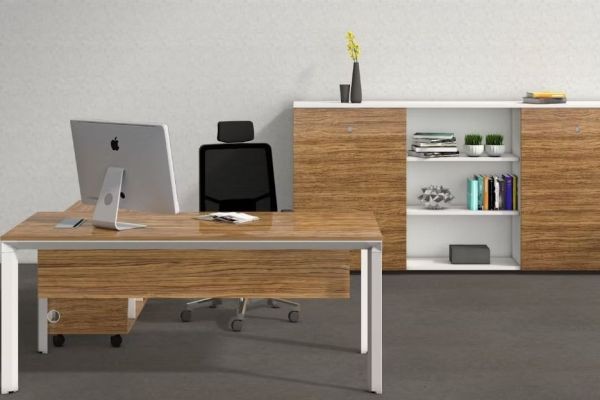
Office chair selection is one of the most important decisions for anyone who spends long hours at a desk, whether at home or in a corporate environment. The right office chair option directly influences posture, energy levels, and overall productivity throughout the day. A poorly designed chair can lead to discomfort, fatigue, and long-term health issues such as back pain or neck strain. On the other hand, a well-structured chair supports the natural alignment of the body and helps maintain focus during extended working hours. Choosing wisely is not just about style or price; it is about long-term comfort and workplace efficiency.
Comfort Features That Influence Daily Work Experience
Comfort is the first factor to consider when selecting an office chair because it determines how well a person can perform tasks without constant physical distraction. A good chair provides balanced cushioning that supports the body without feeling too soft or too rigid. High-density foam is often preferred because it retains its shape and provides consistent support over time. Seat width and depth also play a major role, ensuring that users of different body types can sit comfortably without feeling restricted.
Breathable materials are equally important, especially in warmer climates where heat buildup can cause discomfort during long working sessions. Mesh-backed chairs allow proper air circulation, reducing sweat and maintaining a cooler seating experience. Adjustable height settings ensure that the user’s feet remain flat on the floor, which helps improve blood circulation and reduces pressure on the lower body. These small but essential comfort features work together to create a more pleasant and productive work environment.
Armrest positioning also contributes significantly to comfort. Properly placed armrests reduce strain on the shoulders and wrists, particularly for individuals who spend most of their time typing or working on digital devices. When armrests are adjustable, users can align them with desk height, minimizing unnecessary tension in the upper body.
Ergonomic Design and Its Impact on Posture Health
Ergonomics is a key factor that determines how well an office chair supports the human body during prolonged use. A well-designed ergonomic chair encourages natural spinal alignment, reducing pressure on the lower back and minimizing the risk of musculoskeletal issues. Without proper ergonomic support, users often develop poor posture habits such as slouching or leaning forward, which can lead to chronic discomfort over time.
Lumbar support is one of the most critical ergonomic features. It supports the lower spine and maintains its natural curve, which helps prevent back strain. Adjustable backrests allow users to recline slightly, distributing body weight more evenly and reducing pressure on the spine during breaks. This flexibility helps maintain comfort even during long working sessions.
Head and neck support is another important aspect, especially for individuals who frequently work on computers or attend long meetings. A supportive headrest helps reduce tension in the neck muscles and encourages proper posture alignment. Tilt mechanisms further enhance ergonomic functionality by allowing controlled movement, which prevents stiffness and promotes better blood circulation.
Material Quality and Long-Term Durability Factors
The durability and performance of an office chair largely depend on the materials used in its construction. High-quality materials ensure that the chair maintains its shape, comfort, and structural integrity over time. Mesh material is widely used for its breathable nature and lightweight feel. It allows air to circulate freely, making it suitable for long working hours in warm environments.
Leather and faux leather options provide a more professional appearance and are often used in executive office settings. These materials are easy to clean and maintain, although they may require extra care to avoid cracking or wear over time. Fabric upholstery offers a softer seating experience and is available in a wide variety of colors and textures, making it suitable for both home and office use.
The frame of the chair is another important consideration. Metal frames provide strong support and long-lasting durability, while reinforced plastic frames offer flexibility and lightweight convenience. Wheels and base structures must also be sturdy enough to ensure smooth movement without compromising stability. Investing in durable materials ensures long-term performance and reduces the need for frequent replacements.
Workspace Planning and Chair Placement Strategy
Proper workspace planning plays a significant role in maximizing the benefits of an office chair. The chair should be proportionate to the size of the workspace to ensure free movement and efficient use of space. In smaller home offices, compact designs work best as they provide comfort without occupying too much room. Minimalist chairs with slim profiles are ideal for maintaining a clean and organized environment.
In larger corporate settings, uniform seating arrangements are often preferred to maintain consistency and professionalism. However, functionality should always take priority over appearance. Each workstation should allow enough space for chair movement, including reclining and rotation, to ensure employee comfort.
Desk height alignment is another important factor in workspace planning. The chair and desk should work together to maintain proper posture and reduce strain on the body. Adequate spacing between furniture pieces also helps improve workflow efficiency and prevents unnecessary discomfort caused by cramped setups.
Maintenance Practices for Long-Lasting Performance
Regular maintenance is essential to ensure that an office chair remains in good condition for years. Cleaning should be done periodically based on the material type. Mesh and fabric chairs can be cleaned using a vacuum or damp cloth, while leather chairs require specialized cleaning products to maintain their finish and texture.
Lubricating moving parts such as wheels, swivel mechanisms, and tilt functions ensures smooth operation and prevents mechanical wear. Checking screws, bolts, and joints regularly helps maintain stability and prevents accidents caused by loose components. Tightening them when necessary improves safety and extends the lifespan of the chair.
It is also important to use the chair within its recommended weight capacity. Overloading can damage internal structures and reduce overall durability. Proper usage habits combined with regular maintenance significantly extend the life of the chair and maintain consistent performance.
Conclusion
A well-designed seating solution is essential for maintaining productivity, comfort, and health in any workspace. From ergonomic support to material selection and proper maintenance, every detail contributes to a better working experience. Investing in a quality chair ensures long-term benefits, including improved posture, reduced fatigue, and enhanced focus throughout the day. For businesses and individuals looking for reliable and comfortable workspace solutions, Manila office furniture den offers thoughtfully designed options that combine durability, comfort, and functionality for modern office environments.






