
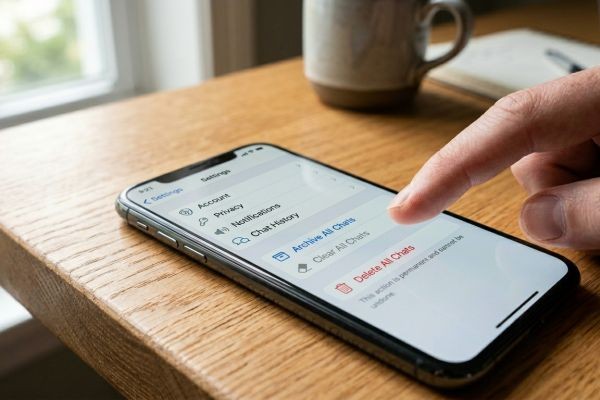
And every year, people spend $900 on a phone they end up mildly disappointed by.
The problem is not that manufacturers lie about specs. The numbers are usually accurate. The problem is that the specs which get printed on the box have almost nothing to do with whether you will still like the phone in eighteen months. Here is what actually matters in 2026, and how to shop for it.
The megapixel number is the least useful thing on the box
A 200MP sensor and a 50MP sensor will produce nearly identical photos in good light. Both bin their pixels down to something like 12MP anyway before you ever see the image. What separates a good phone camera from a mediocre one is sensor size, optical stabilisation, and processing — none of which appear in the marketing headline.
Sensor size is the one worth hunting for. A 1/1.3-inch sensor gathers meaningfully more light than a 1/2-inch one, and light is the entire game in the dim restaurant where you actually take photos. It is buried in the spec sheet, but it is there.
The other thing worth checking is whether the ultrawide and telephoto lenses are real cameras or decorative ones. Plenty of mid-range phones ship a 2MP "macro" lens that exists purely so the box can say "quad camera." Ignore the count, look at what each lens can actually do.
Battery capacity without efficiency data is meaningless
A 6,000mAh battery in an inefficient phone will die faster than a 4,800mAh battery in an efficient one. Chipset process node, display panel, and software optimisation all move the needle more than raw capacity.
The number to look for instead is screen-on time in real reviews — how many hours of active use people actually get. Anything above six hours of screen-on time is solid. Above seven is excellent. This figure never appears in advertising because it cannot be measured on a spec sheet.
Charging speed is similarly oversold. The jump from 30W to 65W is genuinely life-changing. The jump from 65W to 120W saves you about eight minutes and costs battery longevity over the years. Diminishing returns arrive fast.
Software support is the spec that decides the real price
This is the single most under-weighted number in phone buying, and it is the one that determines what your phone actually costs you.
A $900 phone with seven years of OS updates costs about $129 per year. A $600 phone with two years of updates costs $300 per year. The cheaper phone is nearly two and a half times more expensive to own.
Google and Samsung now offer seven years of OS and security updates on their flagship lines. Most other manufacturers offer three to four. Some budget brands offer one major update and then quietly stop. Before you buy anything, search for the exact model plus "update policy" and read the manufacturer's own commitment, not a reviewer's guess.
Security patches matter more than version numbers here. An unpatched phone is a genuine risk after a couple of years, regardless of how fast it still feels. If you want to see how this plays out across the current lineup, this ranked breakdown of the best android phone in 2026 weighs update commitments against price for each pick rather than treating them as a footnote.
Benchmark scores stopped mattering around 2022
Flagship chipsets have been comfortably faster than anything an ordinary person does with a phone for several years now. The difference between the top chip and last year's top chip is invisible in messaging, browsing, video, and photography. It shows up only in sustained gaming and heavy video export.
What you should check instead is thermal throttling — how much performance the phone keeps after twenty minutes of load. A phone that scores brilliantly for ninety seconds and then drops forty percent is worse in practice than one that scores lower but holds steady.
RAM follows the same logic. 8GB is plenty for most people in 2026. 12GB helps if you keep dozens of tabs and apps live. 16GB is marketing for almost everyone.
The things nobody puts in a spec table
Haptics. You touch this phone thousands of times a day. Cheap vibration motors feel like a buzzing wasp; good ones feel like a precise tap. It sounds trivial and it is the difference between a phone that feels premium and one that does not.
Display brightness in sunlight. Peak brightness figures are usually measured on a tiny fraction of the screen showing HDR content. Full-screen sustained brightness is the number that determines whether you can read your phone outdoors, and it is often half the advertised figure.
Bloatware and update behaviour. Some manufacturers ship a clean, quick system. Others preinstall thirty apps you cannot remove and push ads into system menus. This is not visible in any spec comparison and it will annoy you daily.
Repairability and parts availability. A cracked screen on a widely sold phone costs a fraction of what it costs on a niche one. Check that repair shops in your country actually stock parts before committing.
How to shop, practically
Start with your real budget, then find the two or three phones in that band with the longest software support. That usually cuts the list down dramatically. From there, weigh camera sensor size and screen-on time, and read at least one long-term review written more than three months after launch — launch-day reviews cannot tell you about thermal behaviour, battery degradation, or how the software settles.
Independent spec databases are useful for confirming sensor sizes and charging figures that manufacturers bury, and long-term reviews published months after launch will tell you how a phone actually behaves once the honeymoon period ends.
If you want the shortlist already narrowed for you, the best android phone in 2026 guide referenced earlier ranks picks by who each phone is genuinely for rather than by spec-sheet totals, covering everything from flagships down to solid options under $500.
One last thing
The best phone for you is usually not the best phone. It is the one whose particular compromises you will not notice. Someone who photographs their kids in a dim living room every evening needs a big sensor far more than a fast chip. Someone who reads on the train needs sustained outdoor brightness and battery life more than a telephoto lens.
Work out which two things you genuinely care about, be honest that the rest is noise, and you will spend less and like your phone more.
For more honest tech buying guides, hands-on reviews, and practical fixes, visit Cripsy Wire.






