
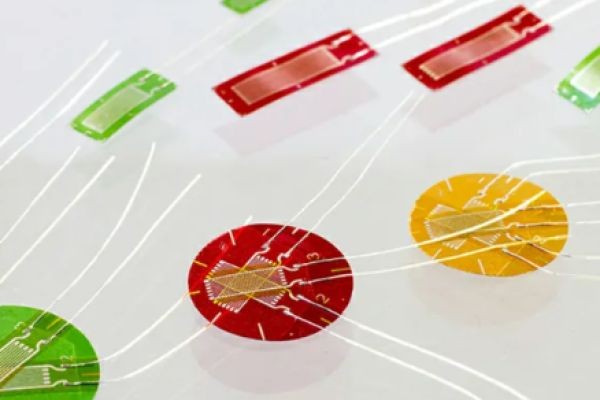
Is inaccurate stress data silently leading to wrong engineering decisions in your system? Nearly 25–35% of strain measurement errors are due to incorrect installation and handling, not to the sensor itself.
That means the main problem is how it is used. In high-load environments where even micro-level deformation matters, this gap in application can directly impact safety margins, maintenance planning, and overall system reliability.
A Strain gauge delivers precise data only when applied correctly. Even small mistakes in surface preparation, wiring, or protection can distort readings and lead to costly misjudgments in structural performance.
Without disciplined installation practices and consistent validation, the data collected may look accurate but fail to represent actual stress conditions, creating hidden risks in critical operations.
Do’s of Using a Strain Gauge Correctly
Accurate strain measurement depends on disciplined installation and controlled operating conditions. The following practices ensure that the strain gauge captures real structural behavior without distortion or signal loss.
Ensure Proper Surface Preparation
The surface where the Strain gauge is applied must be clean, smooth, and free from oil, rust, or coatings. Even microscopic contamination creates bonding issues that affect measurement accuracy.
In precision applications such as load testing of steel beams, controlled surface polishing ensures uniform adhesion, enabling the sensor to capture precise deformation without noise or drift.
Select the Right Gauge for the Application
Different environments demand different gauge types. Civil structures, rotating machinery, and high-temperature systems all require specific configurations.
For instance, in concrete structures, gauges designed for long-term embedding are used, while in turbine blades, high-temperature-resistant gauges are essential to maintain performance under thermal stress.






