
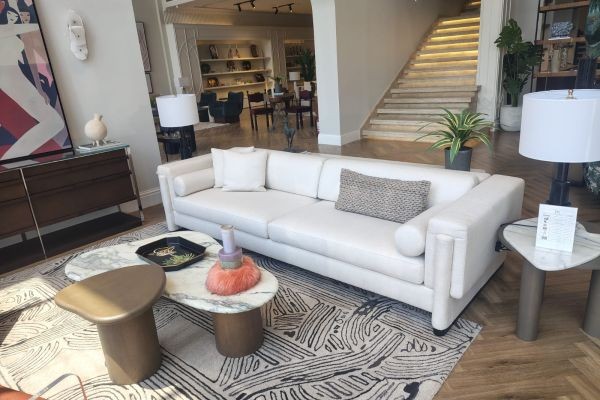
In many Saudi homes, the coffee table functions as the central surface in the living area. It is used daily for serving guests and organizing decorative elements. Proper styling improves visual balance while keeping the table practical for everyday use.
Well-arranged tables avoid clutter and allow objects to serve both decorative and functional roles. Each element should have a clear purpose and suitable scale.
At RIS Living, styling focuses on balance between books, decorative objects, and serving accessories.
Building the Base with Books
Coffee table books help structure arrangements by adding height and visual weight. They also introduce color and subject matter that reflects homeowner interests.
Books should be stacked in groups of two or three, aligned neatly, and selected based on size and color harmony rather than random placement.
These stacks create a stable base for additional decorative items.
Adding Height with Candles or Decorative Objects
Objects with vertical height balance the flat surface created by books. Candles or sculptural pieces introduce variation without crowding the table.
Glass candle vessels also reflect surrounding light, helping the arrangement stand out without dominating the space.
Using Trays to Organize Smaller Items
Trays help group smaller objects and keep daily-use items organized. This prevents scattered placement while maintaining easy access.
Inside a tray, items such as coasters or small decorative pieces can be placed neatly.
Introducing Natural Elements
A vase with fresh flowers or branches introduces movement and softens hard materials like stone or metal tables. Natural elements prevent arrangements from appearing rigid.
Practical Styling Principle
A coffee table should remain functional for serving guests. Arrangements must leave sufficient empty space for trays, drinks, and everyday use.
A balanced table improves the appearance of the living area while supporting daily hospitality practices.






