
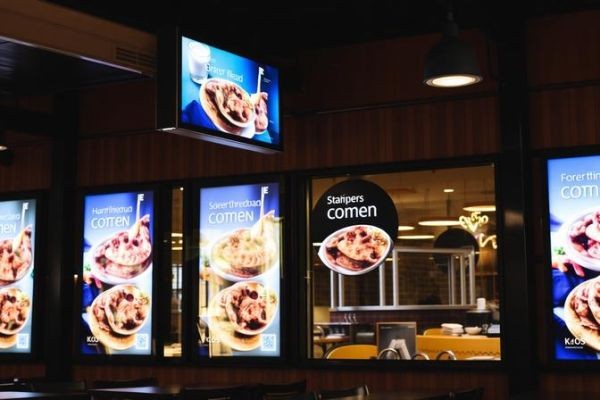
A technological revolution is sweeping the quick-service restaurant (QSR) industry. As fast-food chains, coffee shops, and fast-casual restaurants move away from static menu boards, demand for dynamic digital solutions has soared. Being a digital signage reseller specializing in QSR digital signage is a major opportunity for entrepreneurs and IT solution providers. This guide covers the market, the capabilities needed, and how to succeed in this niche.
Why the QSR market requires digital signage resellers
QSR operators face special problems that conventional signage cannot solve. Wages are rising, menu prices change often, and weekly promotions move quickly. A digital signage reseller who understands these pain points can provide solutions that improve operational efficiency and help grow revenue.
Unlike retail or corporate signage, QSR digital signage operates in high-stakes areas: drive-thru timing, kitchen display systems, and lobby menu boards that influence split-second buying decisions. These systems require installation, maintenance, and reliable support. This creates repeat revenue for resellers through hardware markups, software subscriptions, and service contracts.
Basic building blocks of QSR digital signage solutions
To succeed as a reseller in QSRs, it helps to understand the hardware and software ecosystem. A typical QSR setup includes three main elements.
Drive-thru boards outdoors
Drive-thru boards have the strictest specifications. They often require 2,500 to 5,000 nits of brightness to stay visible in daylight. They must also handle extreme temperatures, humidity, and occasional physical impact due to vehicle proximity. A knowledgeable reseller sources commercial-grade outdoor displays that are weatherproof and built for continuous operation.
Indoor lobby menu boards
Indoor boards focus more on image quality and customer psychology. Wide viewing angles and high-definition displays help customers in line read the menu from different positions. Effective layouts are zoned: promotional videos on one side, menu items on another, and a section for limited-time offers.
Kitchen display systems
Customers do not see the kitchen screens, but they matter for speed and accuracy. These replace printed ticket queues, show orders in real time, and track preparation times. A reseller who can provide integrated kitchen displays adds major value by reducing waste and shortening drive-thru times.
Reseller success software capabilities
Hardware alone will not close deals. Long-term satisfaction depends heavily on the software platform. QSRs need cloud-based content management so franchise owners can update menus across dozens of locations in real time. Scheduling is also critical, so breakfast-to-lunch changes happen automatically.
POS integration is another key requirement. If a burger price changes in the POS, the same price should automatically appear on all digital menu boards. Resellers who provide this save operators from entering information twice. Some QSR clients also request API access for third-party delivery integrations.
Developing a reseller business model that is profitable
Successful resellers do not only sell displays at a markup. They build recurring revenue through software-as-a-service (SaaS) subscriptions. A typical QSR software license costs around $20 to $100 per screen per month, depending on features. A reseller with 100 locations under contract and a 20 to 30 percent recurring commission can build strong monthly recurring income.
Hardware is often the entry point. Resellers typically earn 15 to 30 percent margins on displays, mounts, media players, and installation. The larger gain is in the customer lifecycle. Many QSRs refresh signage hardware every three to five years, creating repeat hardware sales, while software subscriptions continue in between.
Typical digital signage reseller problems
Entering the QSR digital signage market comes with challenges such as:
First, warranty and support can be demanding. QSRs cannot afford downtime; a failed drive-thru board can mean major lost sales. Resellers should work with manufacturers that offer advanced replacement programs and strong technical support.
Second, franchise approval can slow sales cycles. Many chains have approved vendor lists. A reseller may need to be on those lists or work directly with franchisees who have freedom to choose suppliers. Building relationships with franchise associations and attending QSR trade shows can help.
Third, drive-thru installs require real logistics skills. Permits, electrical work, concrete foundations, and local sign rules are common issues. Full-service resellers often partner with licensed electricians or build in-house installation teams.
Reseller marketing strategies QSR oriented
Your message to QSR owners should focus on outcomes, not screen specs. Highlight higher average check value, lower perceived wait time, and labor savings. Case studies showing a 5 to 10 percent sales lift after installing digital menu boards are strong proof points.
Geographic targeting matters too. Small regional chains (five to twenty locations) and independent QSRs can be strong early adopters. Owners are often faster decision-makers than corporate chains and value personalized service. Resellers can also prospect locally by visiting restaurants in slower afternoon hours and demonstrating how their static menu would look as a digital version on a tablet.
The future of QSR digital signage
AI and analytics are entering the QSR signage space. Systems can adapt by weather (cold drinks when it is hot), inventory (removing sold-out items automatically), and even broad customer patterns using anonymous camera analytics. Resellers who keep up with these trends become strategic partners, not just hardware vendors.
QSR digital adoption is not slowing down. The opportunity remains strong for resellers who specialize. By learning outdoor-rated hardware, POS integration, and franchise sales cycles, resellers can build sustainable businesses while helping restaurants serve customers faster and more profitably.






