
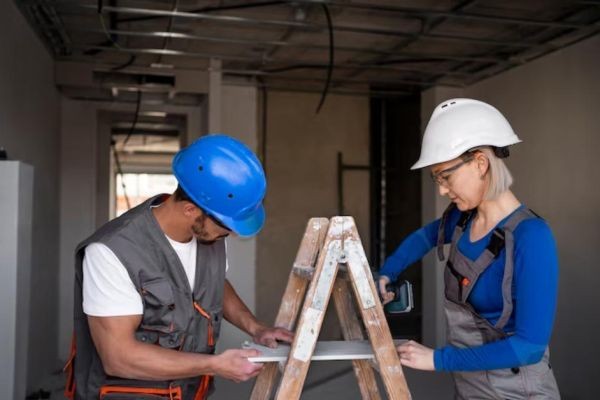
Property Inspection is one of the most important steps in buying, selling, renting, or maintaining any residential or commercial property. A professional property inspection provides a comprehensive evaluation of a property's structural integrity, safety, functionality, and overall condition before a financial commitment is made. Whether you are a homebuyer looking to avoid costly repairs, a seller preparing a property for the market, a landlord ensuring compliance with safety standards, or an investor evaluating a real estate opportunity, a thoroug property inspection helps you make informed decisions based on factual evidence rather than assumptions. During a property inspection, certified inspectors assess critical components such as the foundation, roof, walls, ceilings, flooring, plumbing systems, electrical wiring, HVAC systems, insulation, windows, doors, drainage, ventilation, and signs of moisture, mold, pests, or structural damage. They document their findings in a detailed inspection report that highlights existing issues, potential risks, maintenance recommendations, and estimated repair priorities. This report can serve as a valuable negotiation tool during property transactions, allowing buyers to request repairs or price adjustments while helping sellers address issues before listing. Regular property inspections also contribute to long-term property maintenance by identifying small problems before they develop into expensive structural failures. For commercial buildings, inspections often include fire safety systems, accessibility compliance, environmental concerns, mechanical equipment, and building code requirements. Property inspections can be categorized into several types, including pre-purchase inspections, pre-listing inspections, new construction inspections, rental property inspections, annual maintenance inspections, insurance inspections, and specialized inspections for termites, mold, radon, asbestos, or sewer lines. Choosing a qualified and experienced property inspector is essential, as certified professionals follow industry standards and use advanced tools such as moisture meters, thermal imaging cameras, drones, electrical testers, and digital reporting software to deliver accurate assessments. While a property inspection does not guarantee future performance, it significantly reduces financial risk by uncovering hidden defects that may not be visible during a standard property viewing. The cost of a property inspection varies depending on location, property size, age, and inspection scope, but it is generally considered a worthwhile investment because it can save thousands of dollars in unexpected repairs and legal disputes. Buyers should attend the inspection whenever possible to ask questions, understand maintenance requirements, and gain firsthand knowledge of the property's condition. After receiving the inspection report, reviewing every recommendation carefully and consulting specialists for major issues ensures better decision-making. Ultimately, a professional property inspection protects your investment, improves safety, increases transparency in real estate transactions, supports accurate property valuation, and provides peace of mind for buyers, sellers, landlords, tenants, and investors alike. By making property inspections a standard part of every real estate decision, property owners can minimize risks, preserve property value, ensure regulatory compliance, and maintain a safe, functional, and financially sound investment for years to come.
Frequently Asked Questions (FAQs)
What is a property inspection?
A property inspection is a detailed assessment of a property's physical condition conducted by a qualified inspector to identify defects, safety concerns, and maintenance needs.
Why is a property inspection important?
It helps buyers, sellers, landlords, and investors identify hidden issues, reduce financial risks, improve safety, and make informed real estate decisions.
What does a property inspector check?
Inspectors examine the roof, foundation, plumbing, electrical systems, HVAC, insulation, windows, doors, walls, flooring, drainage, ventilation, and signs of moisture, mold, or pest infestations.
How long does a property inspection take?
Most residential inspections take between 2 and 4 hours, while larger or commercial properties may require additional time.
How much does a property inspection cost?
The cost depends on the property's size, location, age, and inspection scope, but the investment often prevents significantly higher repair expenses later.
Can a property fail an inspection?
A property does not officially "pass" or "fail." The inspector provides an objective report detailing the property's condition, allowing buyers or owners to decide on repairs or negotiations.
Who should get a property inspection?
Homebuyers, homeowners, landlords, tenants, commercial property owners, investors, and real estate professionals all benefit from regular property inspections.
Conclusion
A professional property inspection is an essential part of responsible property ownership and successful real estate transactions. By identifying structural defects, safety hazards, maintenance concerns, and hidden issues early, inspections help protect investments, reduce unexpected costs, improve negotiation power, and ensure long-term property value. Whether you are purchasing your first home, selling a property, managing rental units, or investing in commercial real estate, scheduling a comprehensive property inspection is one of the smartest decisions you can make for financial security and peace of mind.






