
Why More Seniors Are Rolling Out the Mat — and Never Looking Back
As the global population ages, a quiet revolution is unfolding in community centers, yoga-benefits-for-seniors living rooms, and wellness studios around the world. Older adults — once considered the least likely demographic to embrace yoga — are now among its fastest-growing practitioners. From gentle chair yoga to restorative Hatha classes, seniors are discovering that this ancient practice offers exactly what they need: strength, serenity, and a community that welcomes them at every stage of life.
The Numbers Don't Lie
Yoga is no longer the exclusive domain of young, flexible fitness enthusiasts. Studies and surveys from wellness organizations consistently show a sharp rise in yoga participation among adults over 55. In the United States alone, the number of practitioners over 50 has grown significantly over the past decade, mirroring similar trends in Europe, Asia, and Australia. Healthcare providers are increasingly recommending yoga as a complementary therapy for conditions common in aging—arthritis, osteoporosis, hypertension, and anxiety—lending the practice new medical credibility and wider reach.
Why Seniors Are Embracing Yoga
- It Meets the Body Where It Is
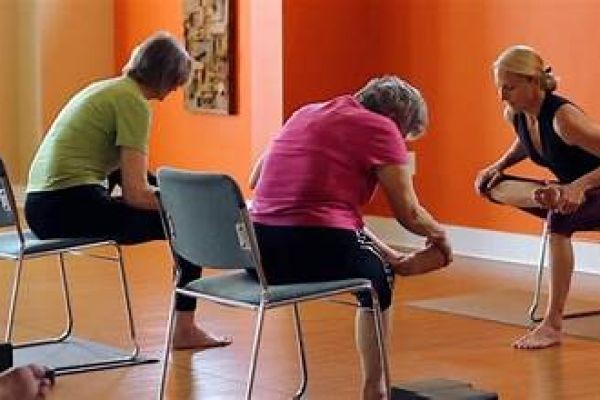
Unlike high-impact sports or heavy resistance training, yoga is infinitely adaptable. Chair yoga allows those with limited mobility or balance challenges to participate fully without standing at all. Props like blocks, straps, and bolsters make poses accessible to everybody. For older adults managing joint pain or recovering from surgery, this flexibility is not a nice-to-have—it is everything.
- The Science of Ageing Better
The physical benefits of yoga for older adults are well-documented:
- Improved balance and fall prevention — a leading cause of injury in seniors
- Increased flexibility and joint range of motion
- Better posture and spinal health
- Reduced chronic pain, particularly in the lower back and knees
- Stronger bones through weight-bearing poses
- Cardiovascular benefits from sustained, mindful movement
Beyond the physical, yoga's focus on breath regulation activates the parasympathetic nervous system, reducing cortisol levels and helping manage stress—something many older adults face as they navigate retirement, health concerns, or the loss of loved ones.
- Mental and Emotional Well-Being
Yoga is as much a mental practice as a physical one. Meditation, breath awareness, and mindfulness — all pillars of yoga — have been shown to reduce symptoms of depression and anxiety, improve sleep quality, and sharpen cognitive function. For seniors at risk of cognitive decline, maintaining mental engagement and stress reduction are not just wellness—they are preventive care.
- A Sense of Community
Perhaps the most underrated benefit is the social one. Older adults are disproportionately affected by loneliness and social isolation, which has been linked to poorer health outcomes. Yoga classes create a built-in community — a regular gathering of people working toward shared goals, often forging genuine friendships over time. For many seniors, the studio or class becomes a cherished social anchor in their week.
Overcoming the Barriers
Many older adults initially hesitate, believing yoga is "not for them." Common misconceptions include:
- "I'm not flexible enough." — Flexibility is the outcome of yoga, not the prerequisite.
- "It's too spiritual for me." — Modern yoga spans a spectrum from deeply spiritual to entirely secular, fitness-focused.
- "I'll get hurt." —With an experienced, informed instructor, yoga is one of the safest movement practices available.
Yoga teachers who specialize in senior populations are increasingly common, and many gyms, hospitals, and community organizations now offer specifically tailored senior yoga programs.
A Practice for Every Stage
The beauty of yoga is that it grows with you. A 65-year-old might begin with a gentle restorative class and, over months, progress to a steady Hatha or Iyengar practice. An 80-year-old with arthritis might find profound benefit in five minutes of daily breathing exercises alone. Yoga does not demand performance — it invites presence.
And that, perhaps, is its deepest gift to older adults: a reminder that the body, at any age, is worthy of care, attention, and respect.
Getting Started
If you or someone you love is curious about yoga, here are a few first steps:
- Look for senior-specific or gentle yoga classes at local studios, community centers, or the YMCA.
- Consult your doctor first if you have existing health conditions.
- Try online platforms—YouTube and specialized wellness apps offer free beginner yoga for seniors.
- Start slow — even 15 minutes three times a week creates meaningful change over time.
- Bring a friend — social motivation makes showing up easier and more fun.
Conclusion:
Yoga is not a trend for older adults — it is a homecoming. It offers what so many are searching for in the later chapters of life: physical vitality, mental clarity, emotional peace, and genuine connection. As one 72-year-old practitioner put it simply: "I started because my doctor suggested it. I kept going because it made me feel alive again."
The mat is waiting. It doesn't care how old you are






