
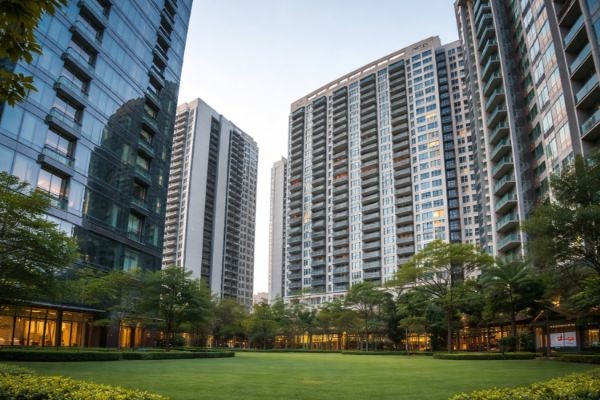
Commercial buildings are designed to operate efficiently with optimised HVAC systems, planned waste streams, stable water consumption, and predictable energy behaviour. But real-world conditions rarely match design assumptions, and underperformance often goes unnoticed for years.
When a building underperforms, the impact is not just environmental. It is operational, financial, reputational, and strategic.
Underperforming buildings cost more to operate, produce more waste, consume more energy, frustrate occupiers, weaken asset positioning, and undermine ESG commitments. Yet these costs remain hidden because they come from small operational inefficiencies that accumulate over time.
For property teams, FM providers, landlords, and asset managers, identifying these hidden costs early is critical. What seems like a minor inefficiency today can become a structural performance problem across the portfolio tomorrow.
This is the real cost of underperformance and it is much higher than most buildings realise.
Want to expose operational inefficiencies before they become expensive problems? Learn how Wastify AI provides real-time building performance visibility.
Why Building Underperformance Often Goes Unnoticed
Many commercial buildings rely on:
- Contractor reports
- Annual waste summaries
- Estimated recycling rates
- Energy bills without granular breakdown
- Reactive maintenance
- Tenant feedback instead of measured evidence
These approaches mask operational issues because they provide outcomes, not insights. Buildings underperform quietly. They leak money, efficiency, and sustainability, invisibly.
The 7 Hidden Costs of Underperforming Buildings
Let’s break down the most common operational blind spots that drive hidden costs.
1. Waste Mismanagement and Contamination Costs
Most waste contractors report estimated weights. Most occupiers produce waste without visibility. Most buildings over-collect waste due to lack of tracking.
The result?
- Higher waste collection bills
- Unfair occupier recharging
- Contamination penalties
- Missed recycling targets
- Increased environmental impact
Underperformance becomes expensive because waste is unmanaged.
Digital waste tracking fixes this by verifying:
- Real weights
- Contamination sources
- Occupier-level patterns
- Recycling consistency
Without this data, waste remains one of the biggest hidden operational costs.
2. Energy Inefficiency and Peak-Load Waste
Energy systems are designed for efficiency, but used inefficiently.
Common issues include:
- HVAC running during low occupancy
- Lights left on unnecessarily
- Heating and cooling conflicts
- Poorly maintained equipment
- Outdated schedules
Even a small deviation from optimal settings creates significant annual costs.
Example: A single HVAC unit running overnight can waste thousands of pounds annually.
Underperformance in energy is expensive because it multiplies across floors, zones, and equipment.
3. Water Waste and Undetected Leakage
Water inefficiencies rarely trigger alarms because usage is not continuously measured.
Hidden water waste includes:
- Slow leaks
- Faulty valves
- Overuse in high-traffic areas
- Inefficient appliances
- Seasonal spikes
A minor unnoticed leak can escalate into:
- Damage costs
- Increased water bills
- Occupier disruption
- Long-term infrastructure issues
Underperformance in water systems is a silent financial drain.
4. Occupier Behaviour That Undermines Performance
Occupiers play a major role in building performance. However, without data, their impact is invisible.
Common issues include:
- Incorrect waste sorting
- Overuse of energy
- Unreported issues
- Irregular after-hours activity
- High-intensity resource usage
- Buildings without occupier-level visibility cannot:
- Engage effectively
- Recharge fairly
- Identify root causes
- Address recurring issues
- This leads to rising operational costs with no clear accountability.
- 5. Poor Equipment Performance Over Time
Even well-designed systems degrade.
Without performance monitoring, buildings experience:
- Higher repair frequency
- Shorter equipment lifespan
- Lower energy efficiency
- Increased operational cost
Reactive maintenance compounds costs because issues are detected too late. Proactive, data-driven maintenance reduces cost exposure by identifying failures early.
6. Inaccurate Reporting and Overestimated Performance
ESG reports often rely on:
- Contractor-provided estimates
- Utility bills
- Sample-based audits
- Occupancy assumptions
These reports create a false sense of performance. When a building underperforms but reports strong numbers:
- ESG credibility suffers
- Stakeholder trust declines
- Regulatory risk increases
Underperformance becomes both costly and reputationally damaging.
7. Portfolio-Wide Blind Spots for Asset Managers
In multi-building portfolios, underperformance is harder to spot. Without standardised operational data:
- One building can drag down entire portfolio ESG results
- Investments may be misallocated
- Inefficiencies go unnoticed for years
- Occupier disputes become common
Portfolio underperformance creates long-term financial and strategic risk. Operational data is the only way to identify underperforming assets early and intervene effectively.
See how Wastify AI highlights underperforming buildings across your portfolio with verified waste, energy, and resource data.
Why Underperformance Leads to Higher Operational Costs
Underperforming buildings incur visible and invisible costs. Here’s how those costs accumulate:
Higher Waste Bills
- Mis-sorted waste increases contamination fees
- Over-collection adds unnecessary collection cycles
- Improper occupier recharging results in disputes
- Contractor estimates inflate weights
- Waste underperformance can increase spend by 20-40% annually.
Higher Energy Bills
- Inefficient HVAC cycles
- Unmonitored lighting systems
- Unbalanced loads
- Manual overrides
Even a slight performance drop can escalate into large energy bills.
Higher Water Bills
- Silent leaks
- Wasteful fixtures
- Poor monitoring
Water waste grows unnoticed until the cost becomes unavoidable.
Higher FM Workload
Underperformance leads to:
- Reactive troubleshooting
- Complaints from tenants
- Increased site inspections
- Unplanned maintenance
FM teams become reactive rather than proactive, reducing service quality.
Lower Building Reputation
In commercial real estate:
- Occupiers notice underperformance
- Sustainability strengthens leasing advantage
- Poorly performing buildings lose competitive edge
Building reputation is a hidden cost centre, influenced directly by operational performance.
How Operational Data Exposes Underperformance
Operational data clarifies what is really happening. It provides visibility into:
- Resource inefficiencies
- Energy anomalies
- Waste contamination patterns
- Occupier impact
- Equipment performance
- Portfolio gaps
Data replaces speculation with evidence. This evidence allows property teams to:
- Intervene quickly
- Target improvements effectively
- Reduce unnecessary spending
- Strengthen ESG performance
- Improve occupier relationships
Data makes hidden costs visible and solvable.
How Property Teams Can Reduce Underperformance
Reducing underperformance begins with structured operational insight.
1. Track Accurate Waste Data
Bag-level transparency eliminates unfair recharging and reduces contamination.
2. Monitor Energy in Real Time
Identify irregular patterns, peak loads, and wastage.
3. Measure Water Usage Continuously
Detect leaks early and track usage trends.
4. Engage Occupiers With Evidence
Data-driven communication creates accountability.
5. Implement Preventive Maintenance
Stop issues before they become expensive failures.
6. Standardise Reporting Across Assets
Compare performance fairly across the portfolio.
Why Operational ESG Helps Reduce Hidden Costs
Operational ESG focuses on continuous improvement, not abstract targets. It ensures buildings:
- Perform efficiently
- Use resources responsibly
- Track performance consistently
- Engage stakeholders effectively
- Maintain competitiveness
- Buildings become sustainable by performing sustainably, not by publishing sustainability goals.
Conclusion
Underperforming buildings cost more, financially, operationally, and environmentally. The problem is not always obvious because inefficiencies hide behind assumptions, estimates, and outdated reporting methods.
Operational data shines a light on these hidden costs.
When buildings measure accurately, monitor continuously, and act consistently, underperformance declines and sustainability improves.
The most sustainable buildings are not the ones with the most ambitious targets. They are the ones that perform well every day.
Ready to reduce the hidden cost of underperforming buildings? Discover how Wastify AI gives you complete operational visibility.
FAQs!
What is an underperforming building?
A building that consumes more resources, produces more waste, or operates less efficiently than expected.
Why are the costs “hidden”?
Because inefficiencies accumulate gradually and aren't visible without operational data.
How does waste contribute to underperformance?
Contamination, estimated weights, and unfair recharging inflate waste costs.
Can underperformance affect leasing?
Yes. Occupiers prefer efficient, transparent, well-managed buildings.
How can technology help?
Operational platforms provide verified data, exposing inefficiencies early and enabling corrective action.






