
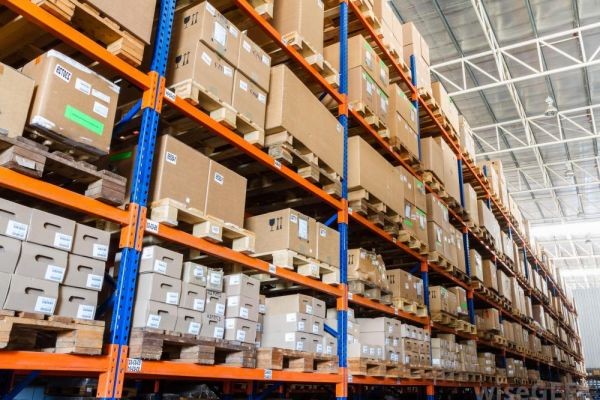
High demand seasons can be exciting for any business. Sales increase. Customer traffic grows. Opportunities expand.
But at the same time, pressure also rises.
In these busy periods, one weak link can create serious problems. And very often, that weak link is the supply chain — especially vendors.
Reliable vendors are not just helpful during peak seasons. They are essential.
What Are High Demand Seasons?
High demand seasons are times when customer orders increase quickly.
This can happen during:
- Holidays
- Festivals
- Special promotions
- Seasonal changes
During these periods, businesses need more stock, faster delivery, and better coordination.
If supply fails, everything else starts to slow down.
Why Vendor Reliability Matters More During Peak Times
In normal conditions, small delays may not seem critical. But during high demand, even minor issues become bigger problems.
Reliable vendors help maintain:
- Consistent product availability
- On-time deliveries
- Stable product quality
Without reliability, businesses often struggle to keep up with demand.
The Risk of Unreliable Vendors
Working with unreliable vendors during peak seasons can create a chain reaction of issues.
Stock Shortages
If supply is delayed or incomplete:
- shelves go empty
- orders cannot be fulfilled
- customers look elsewhere
Quality Inconsistency
In high demand, some vendors may rush production.
This can lead to:
- uneven quality
- damaged goods
- customer dissatisfaction
Delivery Delays
Late deliveries affect operations directly.
Even a short delay can:
- disrupt schedules
- slow down service
- increase pressure on staff
How Reliable Vendors Support Business Stability
Consistent Supply Flow
Reliable vendors plan ahead.
They:
- prepare stock in advance
- manage logistics properly
- ensure smooth delivery
This keeps operations stable even during busy periods.
Better Communication
Good vendors don’t just deliver products — they communicate clearly.
They inform businesses about:
- possible delays
- stock levels
- delivery schedules
This helps in better planning.
Quality Assurance
Reliable vendors maintain standards even under pressure.
They focus on:
- proper storage
- careful handling
- consistent product quality
This protects the business reputation.
The Role of Long-Term Vendor Relationships
Strong relationships with vendors make a big difference.
When businesses work with the same vendors over time:
- trust develops
- coordination improves
- issues are resolved faster
In high demand seasons, this trust becomes very valuable.
Food Industry Example
In the food industry, vendor reliability becomes even more critical.
Food businesses need:
- fresh ingredients
- timely delivery
- consistent quality
Many restaurants and suppliers depend on a fine food online distributor [https://arabianfoodcorp.com/] to ensure stable supply, especially when demand suddenly increases.
Without reliable sourcing, maintaining food quality becomes difficult.
Managing Demand with the Right Vendors
Reliable vendors help businesses handle pressure more effectively.
They support:
- bulk orders without delay
- consistent restocking
- smooth operations
This allows businesses to focus on customer service instead of supply issues.
Regional Supply and Consistency
Local and regional supply chains also play a role.
For example, businesses dealing with arabian food supplies [https://arabianfoodcorp.com/] often rely on consistent vendor networks to maintain product authenticity and availability during peak seasons.
Regional familiarity helps vendors respond faster and more efficiently.
How Vendor Reliability Builds Customer Trust
Customers may not see the supply chain, but they experience the result.
When products are always available and consistent:
- trust increases
- repeat customers grow
- brand reputation improves
If products are missing or inconsistent, trust drops quickly.
Practical Ways to Ensure Vendor Reliability
Businesses can take simple steps to reduce risk:
- Work with proven vendors
- Avoid last-minute sourcing
- Build long-term partnerships
- Monitor vendor performance regularly
- Keep backup suppliers ready
These steps may seem basic, but they help prevent bigger problems.
Common Mistakes Businesses Make
Some businesses overlook vendor importance until issues appear.
Common mistakes include:
- choosing vendors based only on price
- switching suppliers too often
- not checking quality standards
- poor communication
These mistakes become more visible during high demand seasons.
Long-Term Benefits of Reliable Vendors
Reliable vendors are not just useful for peak times. They support long-term growth.
They help:
- maintain consistent quality
- reduce operational stress
- improve planning
- strengthen brand image
Over time, this creates a more stable business.
Final Thoughts
High demand seasons bring both opportunity and pressure. Businesses that prepare well can benefit greatly. Those that don’t may struggle.
Reliable vendors play a key role in this preparation.
They ensure that products are available, quality remains stable, and operations continue smoothly — even when demand increases.
In the end, customers remember the experience. And behind every smooth experience, there is usually a strong and reliable supply system working quietly in the background.






