
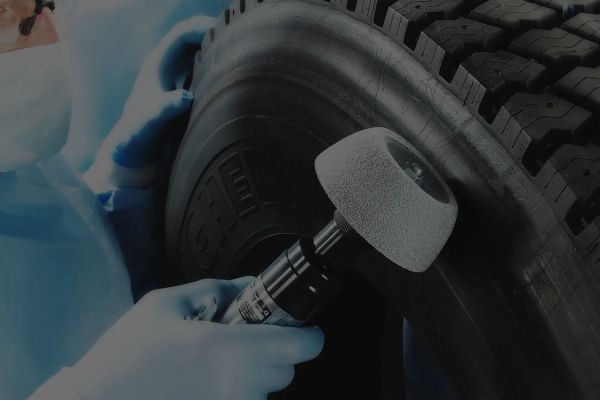
Tire repair requires precision, consistency, and the right equipment to ensure safe and long-lasting results. Whether repairing punctures, sidewall damage, or preparing tires for sectional repairs, proper surface preparation is a critical step in the process. Among the specialized tools used by tire repair professionals, tire skiving wheels play a significant role in preparing damaged areas for effective repairs.
When used correctly, these tools help technicians remove damaged rubber, create smooth repair surfaces, and improve the overall quality of tire restoration. Understanding the function and benefits of tire skiving wheels can help repair facilities achieve more reliable and efficient repair outcomes.
What Are Tire Skiving Wheels?
Tire skiving wheels are specialized repair tools designed to remove rubber material from damaged sections of a tire. The skiving process involves carefully cutting away compromised or injured rubber to prepare the area for patching, filling, or sectional repairs.
Unlike general grinding or buffing tools, skiving wheels are engineered to provide controlled material removal. This precision helps technicians maintain the structural integrity of the tire while creating an ideal surface for repair materials.
Professional tire repair operations commonly use tire skiving wheels when working on:
- Passenger vehicle tires
- Commercial truck tires
- Off-road tires
- Agricultural equipment tires
- Retread tire applications
Their versatility makes them an essential component of many tire repair procedures.
Why Proper Skiving Matters
The success of a tire repair often depends on how well the damaged area is prepared before repair materials are applied.
Removal of Damaged Rubber
Injured rubber can weaken repair adhesion and reduce the effectiveness of restoration efforts. Tire skiving wheels allow technicians to remove compromised material while preserving the surrounding structure.
Improved Repair Bonding
A properly prepared surface promotes stronger adhesion between the tire and repair materials. This can contribute to improved repair durability and overall tire performance.
Consistent Repair Results
Controlled skiving helps create uniform repair areas, making it easier to apply patches, fillers, and reinforcement materials consistently.
Key Benefits of Tire Skiving Wheels
Precision Material Removal
One of the primary advantages of tire skiving wheels is their ability to remove material accurately without causing unnecessary damage to adjacent tire areas.
Precision is especially important when working with complex tire injuries that require careful preparation.
Increased Repair Efficiency
Specialized skiving tools can help technicians complete repair preparation more quickly compared to manual methods. Faster preparation can improve productivity in busy tire service environments.
Better Surface Control
Repair technicians often need to create specific contours and shapes during the preparation process. Skiving wheels provide the control necessary to achieve these repair requirements.
Reduced Risk of Over-Preparation
Because skiving wheels are designed for controlled cutting, they can help reduce the likelihood of excessive material removal that may weaken the tire structure.
Common Applications for Tire Skiving Wheels
Puncture Repair Preparation
Before applying repair materials, technicians frequently use tire skiving wheels to remove damaged rubber around puncture sites and create a clean repair surface.
Sidewall Damage Repair
Certain repair procedures require careful preparation of sidewall injuries. Precision skiving helps create suitable bonding areas while maintaining structural integrity.
Commercial Tire Maintenance
Commercial vehicle tires often experience significant wear and damage. Professional repair facilities rely on skiving tools to prepare tires for restoration and continued service.
Retreading Operations
Retread facilities frequently use skiving equipment to remove damaged sections and prepare casings for retreading processes.
Choosing the Right Tire Skiving Wheel
Not all skiving wheels are designed for the same applications. Selecting the appropriate tool depends on several factors.
Tire Type
Passenger, truck, agricultural, and industrial tires may require different skiving wheel designs based on their construction and repair needs.
Repair Complexity
More extensive tire damage may require specialized skiving tools capable of handling larger preparation areas.
Material Removal Requirements
Different wheel configurations offer varying levels of cutting aggressiveness. Choosing the correct option helps ensure efficient and accurate preparation.
Using the right tire skiving wheels can improve both repair quality and technician productivity.
Best Practices for Using Tire Skiving Wheels
Inspect the Damage Thoroughly
Before beginning the skiving process, technicians should carefully assess the extent of the tire injury and determine the appropriate repair method.
Use Proper Speed and Pressure
Excessive pressure can remove too much material or generate unnecessary heat. Controlled operation helps achieve better results.
Maintain Equipment Regularly
Routine inspection and maintenance of skiving tools help ensure consistent performance and extend equipment lifespan.
Follow Industry Repair Guidelines
Proper repair procedures support safety, reliability, and compliance with industry standards.
By following these practices, technicians can maximize the effectiveness of tire skiving wheels during repair operations.
The Future of Tire Repair Equipment
Advancements in tire repair technology continue to improve the precision and efficiency of repair tools. Modern skiving systems are designed to provide greater control, longer service life, and enhanced performance across a wide range of tire applications.
As tire designs become increasingly sophisticated, repair equipment will continue evolving to meet industry demands for safety, durability, and repair consistency.
Conclusion
Successful tire repair begins with proper preparation, and tire skiving wheels remain one of the most important tools for achieving high-quality results. Their ability to remove damaged rubber, create precise repair surfaces, and improve bonding conditions makes them valuable assets in professional tire service operations. Whether repairing passenger vehicles, commercial fleets, or off-road equipment, technicians depend on these tools to support safe and reliable repairs. For more complex restoration work, a tire section repair tool can further enhance repair capabilities by helping technicians address larger injuries while maintaining the structural integrity of the tire.






