
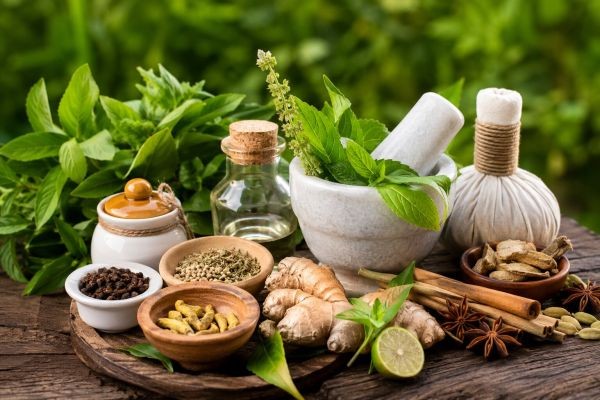
In today's fast-paced world, maintaining good health has become more important than ever. More people are turning toward natural wellness practices that focus on preventing illness instead of simply managing symptoms. An Ayurveda Store can be a valuable destination for discovering authentic herbal products, traditional formulations, and natural wellness solutions inspired by centuries of Ayurvedic wisdom. Ayurveda is a holistic healthcare system that emphasizes harmony between the body, mind, and spirit through balanced nutrition, herbal remedies, healthy routines, and mindful living. Whether you are beginning your wellness journey or looking to adopt healthier habits, Ayurveda offers practical and sustainable ways to improve overall well-being naturally.
Understanding Ayurveda
Ayurveda is one of the oldest systems of natural medicine, with a history spanning more than 5,000 years. The word Ayurveda comes from the Sanskrit words "Ayur," meaning life, and "Veda," meaning knowledge. Together, they represent the science of life.
Unlike many modern healthcare approaches that primarily focus on treating diseases, Ayurveda encourages preventive care by maintaining balance within the body. It considers every individual unique and recommends personalized lifestyle habits based on body constitution.
The Three Doshas
Ayurveda explains that every person is influenced by three biological energies known as doshas.
Vata
Vata represents movement and controls breathing, circulation, and nervous system functions. People with a dominant Vata dosha are often energetic, creative, and quick thinkers but may experience dry skin, anxiety, or irregular digestion if imbalanced.
Pitta
Pitta governs digestion, metabolism, and body temperature. Individuals with a Pitta constitution are usually confident, intelligent, and determined. However, excess Pitta may lead to acidity, irritation, or inflammation.
Kapha
Kapha provides stability, strength, and nourishment. Kapha-dominant individuals are generally calm, patient, and physically strong but may struggle with sluggish digestion or weight gain when out of balance.
Understanding your dosha helps you choose foods, activities, and lifestyle habits that promote better health.
Why Ayurveda Is More Relevant Than Ever
Modern lifestyles often include processed foods, irregular sleeping habits, high stress, and limited physical activity. These factors can negatively affect physical and mental well-being.
Ayurveda offers a balanced approach by encouraging natural healing, healthy routines, mindful eating, and preventive healthcare. Rather than relying solely on treatments after illness develops, Ayurvedic principles focus on maintaining wellness every day.
Benefits of Following Ayurvedic Principles
Adopting Ayurvedic practices may help support:
-
Healthy digestion
-
Better immunity
-
Improved energy levels
-
Natural detoxification
-
Healthy skin
-
Better sleep quality
-
Emotional balance
-
Stress management
-
Overall vitality
Importance of Digestion
According to Ayurveda, digestion is the foundation of good health. A strong digestive fire, known as Agni, allows the body to absorb nutrients efficiently while eliminating waste effectively.
Poor digestion may contribute to bloating, fatigue, discomfort, and reduced energy. Eating freshly prepared meals, avoiding overeating, and consuming food at regular times can help maintain healthy digestion.
Daily Ayurvedic Routine
A consistent daily routine supports long-term wellness.
Wake Up Early
Starting your day before sunrise helps align the body's natural biological rhythms and promotes better energy throughout the day.
Drink Warm Water
Warm water after waking may stimulate digestion and support natural cleansing processes.
Practice Yoga
Yoga improves flexibility, posture, circulation, and mental clarity while complementing Ayurvedic living.
Meditation
Even ten to fifteen minutes of meditation daily may help reduce stress and improve emotional well-being.
Sleep on Time
Adequate sleep allows the body to repair itself and supports hormonal balance.
Ayurvedic Nutrition
Food is considered one of the most powerful forms of medicine in Ayurveda.
Some important dietary principles include:
-
Eat freshly prepared meals.
-
Include seasonal fruits and vegetables.
-
Avoid processed foods whenever possible.
-
Eat only when genuinely hungry.
-
Avoid overeating.
-
Stay properly hydrated.
-
Include digestive herbs and spices in meals.
Following these simple habits supports healthy metabolism and overall wellness.
Popular Ayurvedic Herbs
Many herbs have been traditionally used to promote different aspects of health.
Ashwagandha
Ashwagandha is known for supporting stress management, stamina, and overall vitality. It is widely used as an adaptogenic herb.
Tulsi
Tulsi, often called Holy Basil, supports respiratory health and immune function while providing antioxidant benefits.
Turmeric
Turmeric contains curcumin, a compound recognized for its antioxidant and anti-inflammatory properties. It is commonly used to support joint health and immunity.
Triphala
Triphala is a traditional herbal combination used to support digestion, bowel regularity, and gentle detoxification.
Neem
Neem has long been valued for promoting healthy skin, oral hygiene, and overall wellness.
Amla
Amla is naturally rich in antioxidants and Vitamin C, making it an excellent herb for supporting immunity and healthy aging.
Interestingly, many people exploring traditional herbs also search for topics like gond katira benefits for female, as Gond Katira has become increasingly popular for its cooling properties and traditional use in supporting hydration, energy, and seasonal wellness.
Ayurvedic Spices for Everyday Health
Everyday spices play an important role in Ayurvedic cooking.
Ginger
Supports digestion and helps reduce bloating.
Cumin
Promotes efficient digestion and nutrient absorption.
Coriander
Known for its cooling properties and digestive support.
Fennel
Commonly consumed after meals to aid digestion.
Black Pepper
Supports metabolism and improves the absorption of beneficial compounds.
Seasonal Wellness
Ayurveda recommends adjusting diet and lifestyle according to seasonal changes.
Summer
Choose cooling foods like cucumber, coconut water, fresh fruits, and leafy vegetables.
Monsoon
Eat warm meals, herbal teas, and digestive spices while avoiding excessive raw foods.
Winter
Consume nourishing foods such as soups, nuts, whole grains, healthy fats, and warming spices.
Managing Stress Naturally
Mental health is an essential part of Ayurvedic wellness.
Simple stress-management techniques include:
-
Daily meditation
-
Deep breathing exercises
-
Regular physical activity
-
Spending time in nature
-
Maintaining a consistent sleep schedule
-
Limiting excessive screen time
These practices help improve emotional balance and mental clarity.
Choosing Quality Ayurvedic Products
The quality of Ayurvedic herbs and formulations significantly influences their effectiveness. When purchasing products, look for trusted manufacturers that prioritize ingredient purity, proper sourcing, traditional preparation methods, and quality testing.
Reading ingredient labels and understanding product usage can help you make informed decisions that support your wellness goals.
Why Holistic Wellness Matters
Health is not simply the absence of disease. Ayurveda teaches that true wellness comes from maintaining harmony between physical health, mental well-being, emotional stability, and a balanced lifestyle.
Simple habits practiced consistently often produce better long-term results than temporary solutions. Eating nutritious foods, staying active, managing stress, and using quality herbal products responsibly can contribute to a healthier life.
Conclusion
Ayurveda continues to be a trusted system of natural wellness because it emphasizes prevention, balance, and healthy living rather than quick fixes. By following Ayurvedic principles, maintaining a nourishing diet, adopting mindful daily routines, and choosing authentic herbal products, you can support your overall well-being in a sustainable way. As you continue learning about traditional herbs and natural remedies, exploring topics such as gond katira benefits for female can provide additional insights into herbs that have been valued for generations for their role in supporting everyday health. Embracing Ayurveda is a meaningful step toward achieving long-term wellness naturally.






