
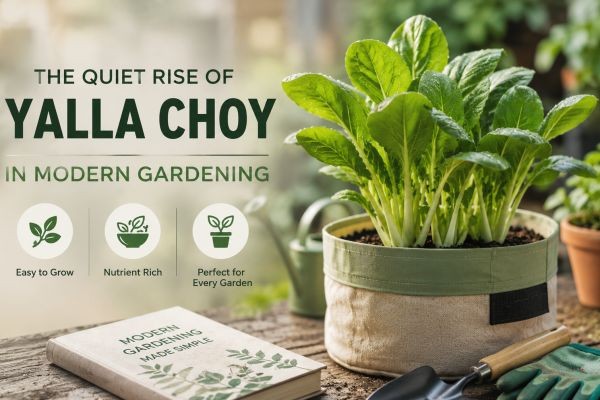
Some plants arrive with fanfare. Others sneak into gardens one cutting at a time, passed between neighbours and swapped in online groups, until suddenly everyone seems to be growing them. Yalla Choy fits the second story perfectly. It has been a niche pick for a few home cooks for years. Now it is showing up in raised beds, balcony pots, and community gardens everywhere.
This is not a loud trend. There are no flashy ads or big marketing pushes behind it. Instead, gardeners are discovering it the old way: through word of mouth, curiosity, and a taste for something new. Let's look at why this quiet leafy green is finally getting its moment.
What Exactly Is Yalla Choy?
Yalla Choy is a leafy green vegetable known for its tender leaves and crisp, hollow stems. Many people also know it as water spinach, since it grows naturally near ponds, streams, and damp soil. Its flavor is mild and slightly sweet, with none of the sharp bitterness found in some other greens.
The plant grows fast in warm, humid weather. This quick growth is one reason it has quietly become a favorite among home gardeners looking for fast, low-effort rewards.
Why More Gardeners Are Noticing It Now
A few shifts explain why this vegetable is having its moment.
People want variety. Many gardeners have grown the usual lettuce, kale, and spinach for years. They are ready to try something different, and Yalla Choy offers a fresh option that still feels approachable.
Small spaces are the new normal. More people garden on balconies, patios, and small backyard plots. This plant grows well in containers, which makes it a natural fit for smaller spaces.
Fast results build confidence. New gardeners often want quick wins. Since this vegetable sprouts fast and can be harvested within weeks, it gives beginners a reason to keep going.
Online gardening communities are sharing it. Photos and tips about this leafy green have been spreading through gardening forums and social media groups. Once one person shares a success story, others want to try it too.
A Plant Built for Modern Lifestyles
Modern gardeners often want plants that fit into busy schedules. Yalla Choy checks that box in a few important ways.
First, it does not demand constant attention. As long as the soil stays moist and it gets a few hours of sunlight, it grows steadily on its own. Second, it regrows after each harvest, so one planting can feed you for weeks. Third, it works in almost any growing setup, from garden beds to simple containers on a windowsill.
This mix of low effort and high reward is exactly what busy home gardeners are looking for today.
How to Start Growing It Yourself
If you want to join this quiet trend, getting started is simple.
- Choose a warm, sunny spot. Aim for four to six hours of sunlight each day.
- Prepare moist, rich soil. Mix in compost if your soil feels dry or hard.
- Plant seeds or cuttings. Seeds should sit about half an inch deep. Cuttings can root directly in water or moist soil.
- Water consistently. Never let the soil dry out completely, especially in warm weather.
- Watch it grow. Most plants are ready for a first harvest within three to four weeks.
There is no need for special tools or advanced skills. This is part of why the plant appeals to such a wide range of gardeners, from total beginners to seasoned green thumbs.
Gardeners in the Yourhomify community often talk about small discoveries like this one, the kind of plant you try almost by accident and end up loving.
Caring for It Season After Season
Once established, this leafy green does not ask for much. A light feeding every few weeks keeps it producing well. Regular trimming encourages bushier growth instead of tall, thin stems. Watching for pests like aphids and removing them early keeps the plant healthy through the whole season.
Because it regrows so quickly after cutting, many gardeners treat it as a cut-and-come-again crop. This means less replanting and more steady harvests, which fits nicely into a modern gardener's routine.
A Vegetable Worth the Attention
Beyond convenience, this plant also brings real value to the table. It is low in calories yet rich in vitamins A and C. It offers a good amount of fiber, along with a high water content that helps keep the body hydrated. For gardeners who care about both flavor and nutrition, it checks both boxes without much fuss.
As more people look for sustainable, easy-to-grow food, plants like this one naturally rise in popularity. It does not need excess water, chemical fertilizers, or constant care to thrive, which makes it a smart pick for anyone trying to garden a little greener.
Where This Trend Might Be Heading
Quiet trends often become mainstream ones. As more gardeners share their success with Yalla Choy, it is likely to move from a niche discovery to a regular fixture in home gardens. Nurseries are starting to stock more seeds and starter plants, and recipe blogs are featuring it more often too.
This slow, steady rise feels different from typical garden fads. It is not built on hype. It is built on gardeners genuinely enjoying the plant and telling others about it, which tends to create trends that actually last.
Frequently Asked Questions
1. Why is Yalla Choy becoming more popular now?
It fits modern gardening needs well. It grows fast, works in small spaces, and gives beginners quick, encouraging results.
2. Is it hard to grow compared to other greens?
No. It is considered one of the easier leafy greens to grow, even for people with little gardening experience.
3. Can it grow in a small apartment garden?
Yes. It thrives in containers and pots, making it a great choice for balconies and small patios.
4. How long before I can harvest it?
Most plants are ready for their first harvest within three to four weeks of planting.
5. Does it need special soil or fertilizer?
Not really. Rich, moist soil and an occasional light feeding are usually enough to keep it healthy.
Final Thoughts
The rise of Yalla Choy has not been loud, but it has been steady. It fits the way people garden today: in small spaces, on tight schedules, and with a desire for something fresh and easy to grow. As more gardeners give it a try, this quiet trend looks set to become a familiar sight in home gardens everywhere.






