
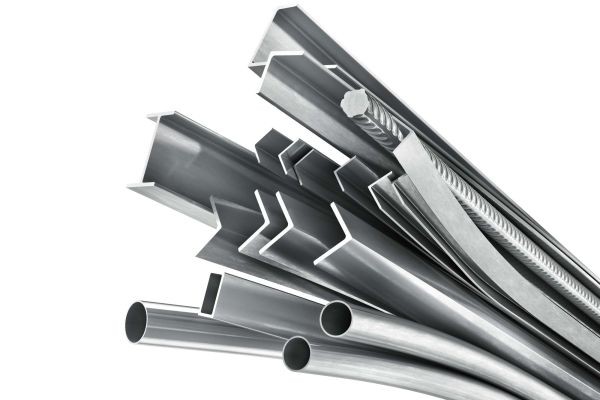
In the ever-changing world of construction, the materials and methods we use play a crucial role in shaping our environment. One essential technique that has emerged as a fundamental part of this process is structural steel rolling. This approach not only contributes to the resilience of our structures but also enhances their aesthetic appeal. In this article, we’ll dive into the details of structural steel rolling, discussing its applications, benefits, and future trends — especially for construction companies, architects, and engineers looking for dependable structural support materials.
Understanding Structural Steel Rolling
Structural steel rolling involves passing steel through a series of rollers to achieve specific shapes or curves. This process is vital for creating custom beams, curves, and angles that meet particular architectural and structural needs. There are various methods within this technique, such as hot rolling, cold rolling, and bending, each offering unique advantages based on the project requirements.
The Importance of Structural Steel Rolling in Construction
- Versatility in Design: One of the standout features of structural steel rolling is its ability to create custom shapes and sizes. This flexibility empowers architects and engineers to push the boundaries of design, resulting in structures that are not only practical but also visually stunning. Think of the sweeping curves of modern skyscrapers or the intricate connections seen in bridges — rolled steel gives designers the freedom they need to achieve these modern architectural marvels.
- Enhanced Structural Support: By allowing for the creation of tailored steel components, structural steel rolling ensures that each piece can bear specific loads and stresses. This customization bolsters the overall stability and safety of a structure, making it a top choice for construction companies dedicated to durability and reliability.
- Efficiency and Cost-Effectiveness: The precision of steel rolling minimizes material waste and reduces the need for extensive modifications on-site. This efficiency not only saves time but also cuts costs for construction projects, streamlining the building process and lowering labor and material expenses.
Key Applications of Structural Steel Rolling
Structural steel rolling plays a vital role in various applications throughout the construction industry. Here are some of the most common uses:
- Architectural Applications: The aesthetic possibilities of rolled steel are truly limitless. It enables the creation of unique architectural features such as curved facades, spiral staircases, and artistic installations. These elements not only elevate the visual appeal of a building but can also increase its market value.
- Infrastructure Projects: Rolled steel is a go-to material for infrastructure projects like bridges, tunnels, and railways. Its strength and adaptability make it perfect for constructing components that must withstand heavy loads and tough environmental conditions.
- Industrial and Commercial Buildings: In industrial and commercial environments, structural steel rolling is used to fabricate large-scale frameworks, support beams, and columns. These components are crucial for erecting warehouses, factories, and high-rise buildings that demand strong structural integrity.
Future Trends in Structural Steel Rolling
The future of structural steel rolling looks bright, with several trends set to influence its development:
- Advancements in Technology: As technology progresses, so do the methods of rolling steel. Innovations like computer-aided design (CAD) and automated rolling machines are enhancing the precision and consistency of rolled steel products, allowing for even more complex and creative designs.
- Sustainable Practices: With a growing focus on sustainability, the steel industry is working hard to reduce its carbon footprint. Structural steel rolling processes are being refined to use less energy and generate fewer emissions, aligning with global sustainability goals.
- Integration with New Materials: The combination of structural steel with other materials, such as composites and smart materials, is unlocking new potential for construction innovation. This synergy boosts the performance and functionality of steel components, opening up exciting possibilities for future projects.
Conclusion
Structural steel rolling is an essential technique in modern construction, offering the strength, flexibility, and efficiency needed to tackle the demands of today’s architectural and structural projects. As the industry evolves and embraces new technologies and sustainable practices, the importance of structural steel rolling will undoubtedly grow, presenting even greater opportunities for creativity and innovation.
For construction companies, architects, and engineers, grasping the capabilities of structural steel rolling is crucial for staying competitive in today’s dynamic market. By incorporating rolled steel components into their designs, they can achieve remarkable results that endure over time while making a meaningful impact on the built environment.
- By highlighting the core themes of custom steel fabrication, structural support solutions, and architectural steel applications, this article not only informs but also offers valuable insights into the realm of structural steel rolling. Whether you're embarking on a new construction project or looking to enhance existing structures, the potential of rolled steel is truly limitless.






